Why Réveillon Calls for Something Special
In Brazil, December 31 carries a weight unlike any other evening. The white tablecloths, the flowers, the symbolic foods — lentils for prosperity, pomegranate seeds for abundance, grapes at midnight for each month's wishes — are not decoration; they are ritual. A personal chef who understands this brings the ceremony into the cooking itself, weaving culinary meaning into every course.
The typical Réveillon dinner unfolds over three to five hours, spanning late evening through midnight. Unlike a Christmas ceia that peaks at a single roast, the New Year's Eve menu needs rhythm: appetizers that sustain the energy of the evening, a main course that lands around 10 p.m., a celebratory midnight bite, and a dessert that carries the party into the small hours.
Personal chefs price Réveillon events between R$350 and R$900 per person depending on menu complexity, ingredients (especially imported seafood and champagne-based sauces), and whether the chef stays through midnight service. Booking in mid-November is strongly advisable — December calendars fill in days.
Pro Tip
Ask your chef if they offer a 'midnight refresh' — a small second service of sparkling wine, petit fours, and the lucky lentil dish right at 00:01. It transforms the countdown into a full dining moment.
Classic Réveillon Menu Structures Personal Chefs Use
Most personal chefs build Réveillon menus around a four-act structure: welcome bites as guests arrive (usually from 8–9 p.m.), a seated starter around 9:30 p.m., the main course at 10–10:30 p.m., and a midnight dessert-and-toast service. This pacing prevents the party from deflating before midnight and ensures no one is too full to celebrate.
The welcome act typically features cold seafood — fresh oysters with citrus mignonette, shrimp cocktail with homemade molho rosa, or thinly sliced smoked salmon on blinis. These are deliberately light and visual, because the main event is still hours away.
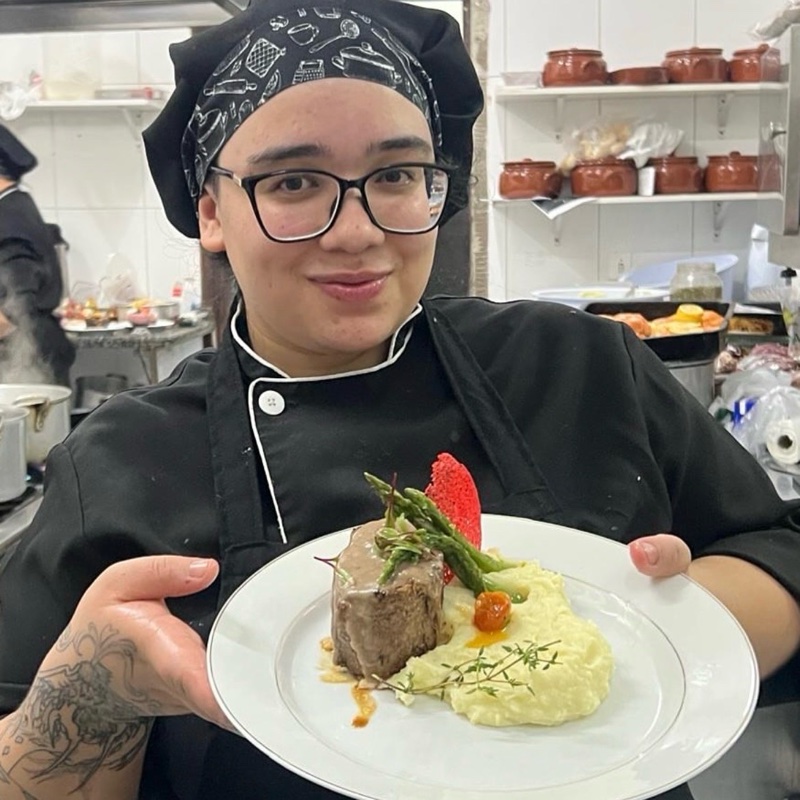
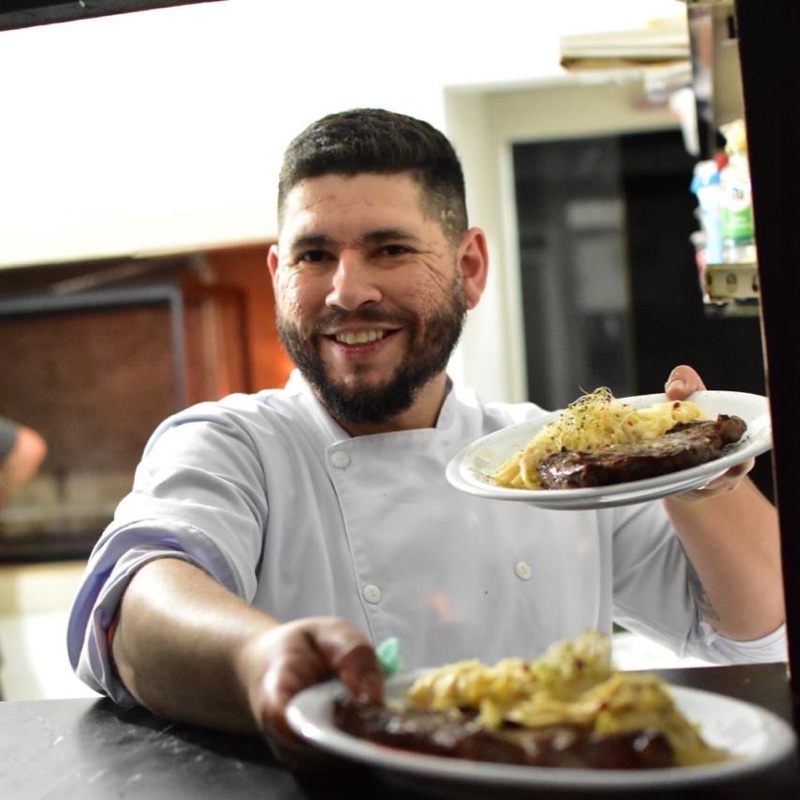
For the seated main course, personal chefs often present a surf-and-turf or a showcase fish — whole-roasted robalo (sea bass) with herb butter and capers, or a beef tenderloin served with a red wine and mushroom reduction. Side dishes lean festive: gratinéed potatoes, roasted asparagus with shaved Parmesan, or a classic farofa enriched with butter, bacon, and golden raisins — a bridge between the luxury of the night and the Brazilian table.
✓Welcome bites (8–9 p.m.)
Oysters, smoked salmon blinis, chilled shrimp — cold, elegant, light.
✓Seated starter (9:30 p.m.)
Burrata with cherry tomatoes and basil oil, or a chilled lobster bisque shot.
✓Main course (10–10:30 p.m.)
Surf-and-turf, roasted whole fish, or a premium meat cut with classic sides.
✓Midnight service (00:00–00:15)
Sparkling wine, lentil dish for luck, and a sweet bite.
✓Late-night dessert (00:30–01:30)
A dessert buffet or passed sweets: pavê, petit gateau, fresh fruit.
Seafood-Forward Menus: Brazil's Réveillon Tradition
Seafood dominates Brazilian Réveillon tables, particularly in coastal cities like Rio de Janeiro, Florianópolis, Santos, and Salvador. The belief is that fish swim forward, symbolizing progress — eating it on New Year's Eve is a wish for the year ahead. Personal chefs lean into this with menus that showcase Brazil's extraordinary coastal produce.
A chef working in São Paulo or Rio might source fresh lagosta (lobster) from the Northeast, camarão-rosa from Santa Catarina, or bacalhau (salt cod) imported from Portugal — desalted over 48 hours and prepared three ways: confitado in olive oil, in a cream gratin, or as a traditional bacalhau à Gomes de Sá with potatoes and hard-boiled eggs. Each preparation tells a different story on the same table.
For inland cities like Belo Horizonte or Curitiba, chefs work with premium fresh-water fish such as pintado or dourado, or fly in coastal seafood with a day's notice. A pintado grelhado with urucum butter and cassava purée has the same celebratory spirit as a robalo, with deeply regional character.
Pro Tip
If your group includes guests who don't eat seafood, ask the chef to design a parallel vegetarian or meat main that receives equal attention — not an afterthought, but a second hero dish served simultaneously.
The Midnight Bite and the Lucky Foods
Brazilian Réveillon tradition assigns specific foods to luck, and personal chefs who specialize in New Year's Eve events build the midnight service around them deliberately. Lentils — simmered with bacon, bay leaf, and a touch of vinegar — are the most universal, representing money and prosperity in the coming year. A small ramekin of lentils placed at each setting just before midnight is a signature touch that guests remember.
Grapes are eaten at the stroke of midnight — one for each month, making twelve — while making a wish for each. A good chef prepares individual portions of seedless grapes, chilled and already separated, so no one fumbles with a bunch. Pomegranate seeds scattered over a simple yogurt or cream dessert add color and the symbolism of abundance.
The toast is as important as the food. Sparkling wines from the Serra Gaúcha — Cave Geisse Brut Nature, Miolo Cuvée Tradition, or Luiz Argenta Brut — are increasingly popular alternatives to imported Champagne, and a well-chosen sparkling wine chosen by your chef elevates the toast without the imported price tag.
Menu Ideas by Group Size and Setting
For intimate Réveillon dinners of 4–8 guests, personal chefs often propose a multi-course tasting menu served at a single table — six to seven courses, each plated individually, with wine pairings. This format works beautifully in São Paulo apartments with open-plan kitchens, where guests can watch the chef work between courses. Budget typically starts at R$500 per person.
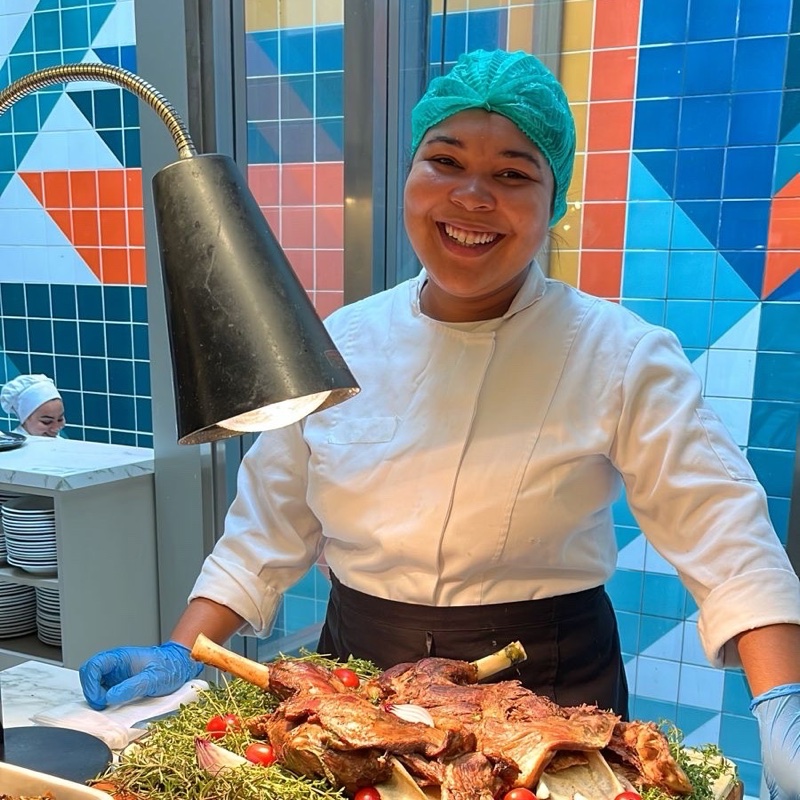
For medium gatherings of 12–20 guests, chefs shift to a hybrid model: plated starters and a buffet-style main course with a carving station. A whole-roasted beef prime rib or a peixe ao sal (whole fish baked in a salt crust, cracked tableside) becomes the visual anchor of the buffet and gives the event a theatrical moment guests photograph and remember.
For large Réveillon parties of 30 or more, personal chefs typically work with an assistant or sous-chef and move to a stations format: a seafood raw bar, a carving station, a hot side-dish station, and a dessert table. The chef circulates between stations, ensuring quality while guests move freely. This format costs R$300–R$500 per person at the mid-tier and rewards early planning.
✓Intimate (4–8 guests): tasting menu
6-7 plated courses, individual service, wine pairing. Budget: R$500–R$900/person.
✓Medium (12–20 guests): hybrid format
Plated starters + buffet main with a dramatic carving station. Budget: R$400–R$600/person.
✓Large (30+ guests): stations format
Raw bar, carving, hot sides, dessert table. Budget: R$300–R$500/person.
✓Dietary accommodations
Confirm vegetarian, gluten-free, and allergy-specific options at least 2 weeks out.
✓Drinks planning
Ask if chef coordinates beverages or if you source separately — clarify before contracting.
How to Brief a Chef for Your Réveillon
The single most important thing you can do when hiring a chef for Réveillon is to be specific about the experience you want, not just the food. Tell the chef whether you want a formal seated dinner or a flowing cocktail-party feel. Describe the space — balcony with a view, garden with a pool, formal dining room — because it shapes the entire service design. Share the guest list composition: ages, any dietary restrictions, the occasion within the occasion (a milestone anniversary, a family gathering, a friends-only party).
Ask specifically about the midnight service plan. Does the chef stay through 00:30? Who sets up the grape portions and lentil ramekins? Is there a second-service fee? These logistics seem minor but define whether the magical moment actually lands or falls flat because the chef has already packed up.
Request a tasting menu proposal in writing before signing a contract, and ask for substitution options for any premium ingredients (lobster alternatives if prices spike in December, for example). The best chefs build in this flexibility as a matter of course.
Pro Tip
Schedule a brief call with your chef in mid-December — about two weeks before the event — to confirm the final guest count, any last-minute dietary changes, and the logistics of kitchen access time. This call prevents almost every day-of surprise.
Réveillon Desserts: Ending the Year on a High Note
Brazilian Réveillon desserts tend toward the indulgent and the beautiful. Personal chefs often construct a dedicated dessert table around 00:30–01:00, designed to be grazed over the next hour as the party flows. A well-executed pavê de maracujá (passion fruit trifle), a layered chocolate mousse verrine, and a platter of fresh tropical fruits — manga, carambola, abacaxi from Goiás — arranged like a still life sit alongside a petit gateau station where the chef finishes warm chocolate lava cakes to order.
For the most festive touch, some chefs offer a crêpe Suzette or a flambéed dessert performed tableside — the flame catches the light, guests gather, and it becomes a second midnight moment. This level of theater requires advance planning and the right space, but the memory it creates is disproportionate to its cost.
End the night with a digestif course: artisanal cachaça aged in amburana wood from a small Minas Gerais producer, a good Brazilian brandy, or a selection of after-dinner chocolates from Dengo or Naomi. The best chefs curate this moment as carefully as the first course.