Defining the Occasion and the Intention
The first question is: what is this dinner for? The answer shapes every decision that follows. A surprise birthday dinner for a partner is intimate and romantic. A surprise dinner for a parent's 60th anniversary is warm and familial. A dinner planned as part of a marriage proposal is theatrical and deeply personal. A surprise 'just because I love you' dinner for no particular occasion is sometimes the most touching of all.
Clarify the tone you want. Romantic surprises call for candlelight, a carefully set table for two, a menu that reflects their favorite flavors, and music that means something to both of you. Celebratory surprises for a group benefit from coordinated arrivals — ensuring the surprised person walks in to find people they love waiting, not a half-assembled scene.
The occasion also determines how much lead time you have and how much help you need. A surprise birthday dinner for 20 people requires weeks of planning and almost certainly a personal chef. A surprise dinner for two is entirely manageable by one organized person in a long afternoon.
The Cover Story: Getting Them There Without Suspicion
The logistics of a surprise dinner are solved by one thing: a convincing cover story that gets the person to the right place at the right time without arousing suspicion. The cover story should be plausible, simple (fewer details are harder to contradict) and ideally suggested by something the surprised person has already expressed wanting to do.
Common approaches: 'I made dinner reservations at [restaurant they like] at 8:00 — just dress nicely' sends them home to change and gives you time to set up; 'A friend asked us over for drinks first' lets someone else manage arrival time while you prepare; 'I need your help with something at home' is risky but sometimes effective if they are used to that dynamic. The best cover story is the one that fits naturally into your relationship pattern.
Recruit a co-conspirator — a trusted friend or family member who can monitor the surprised person's location and mood, buy you additional time if setup runs long, or handle the handoff at the door. A co-conspirator also keeps the secret fresh by confirming plans the morning of, which paradoxically makes the eventual surprise feel more complete.
Pro Tip
Set the reveal time 30 minutes later than you need it to be. Setup always takes longer than planned. Giving yourself a buffer means you are composed and ready when the door opens — not scrambling in the kitchen when they walk in.
Creating the Setting: Atmosphere Before the Food
The sensory environment of the room — what the person sees, smells and hears in the first five seconds after the reveal — determines the emotional impact. This is where the investment of time pays the highest emotional dividend.
For a romantic dinner for two: candlelight everywhere (votives on the table, floor candles, tea lights in the bathroom if they are arriving there to change). Flowers that mean something — their favorite, or a color they love. A personally chosen playlist already playing at low volume. The table set with your best linens, polished glasses, a single beautiful centerpiece. The smell of something wonderful already being cooked, or the faint scent of good wine opened.
For a celebratory group surprise: coordinate arrivals so everyone is quietly in position before the guest of honor arrives. Have drinks already in everyone's hands so the revealed group feels like a party, not a staging. Arrange a visual focal point — a birthday banner, a table of photographs through the years, a display of their achievements — that tells the story of the occasion the moment they walk in.
The Menu: Cooking Their Favorites, Not Yours
The menu of a surprise dinner should center on what the recipient loves, not what you are best at cooking or what you most want to make. This is the single most important menu principle: the dishes should feel like they were chosen for this specific person. Serving someone their absolute favorite dish — the one they grew up with, the one they always order at restaurants, the one they have mentioned wanting to eat — is a more powerful gesture than executing a technically impressive dish they feel neutral about.
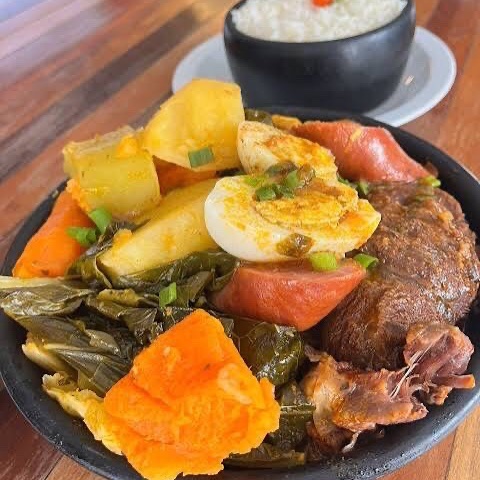
Think about meals you have shared that have been special. The dish from the restaurant where you got together. The recipe their avó made. The flavor profile they always gravitate toward. These are your raw material. A personal chef briefed on this context — 'she loves Thai food, especially anything with coconut and lemongrass' or 'he grew up in Minas and the most meaningful thing I can make is something genuinely mineiro' — can execute those flavors at a level that amplifies the emotional content of the gesture.
For a romantic dinner for two, three to five courses is ideal: a beautiful starter, a main that is their absolute favorite, and a dessert that is meaningful (their birthday dessert, a recreated dish from a special trip together). The number of courses is less important than the intentionality behind each one.
✓Identify their three favorite dishes or flavor profiles
Ask their closest friends or family if you are unsure. The answer should guide every menu decision.
✓Include one dish with personal history
A dish from a place you went together, a recreation of something their family makes, or a flavor that means something specific to them.
✓Check any dietary restrictions or recent changes
People's relationships with food change. Confirm current restrictions with a trusted mutual friend rather than guessing.
✓Plan the dessert last and make it memorable
The final course is the final emotional beat. A single beautiful chocolate dessert with their name written in caramel, or a dessert with a hidden message, lands harder than a complex multi-element plate.
✓Choose a wine or drink they genuinely love
If they always order a specific wine varietal or cocktail, make that the featured drink. The bottle should feel chosen for them, not just what was on sale.
The Reveal Moment: Making It Land
The reveal is the climax of months of planning compressed into 10 seconds. Position yourself where you will be naturally visible — standing by the table, not hiding in the kitchen. Have a drink ready to hand them the moment they walk in; the physical act of receiving something grounds them in the moment and gives them something to do with their hands while the scene registers.
Keep your first words simple and warm. 'I wanted to do something special for you tonight' is enough. Long explanations or narrations of the effort that went into the planning diminish the magic — let the scene speak. Watch their face. That moment of realization and emotion is the whole point of all the planning.
If the surprise involves other guests, have a designated person lead the 'surprise!' rather than relying on a chaotic group shout — a single coordinated reveal sounds cleaner and gives the moment more dignity. Then let conversation and warmth fill the room naturally.
Hiring a Personal Chef for a Surprise Dinner
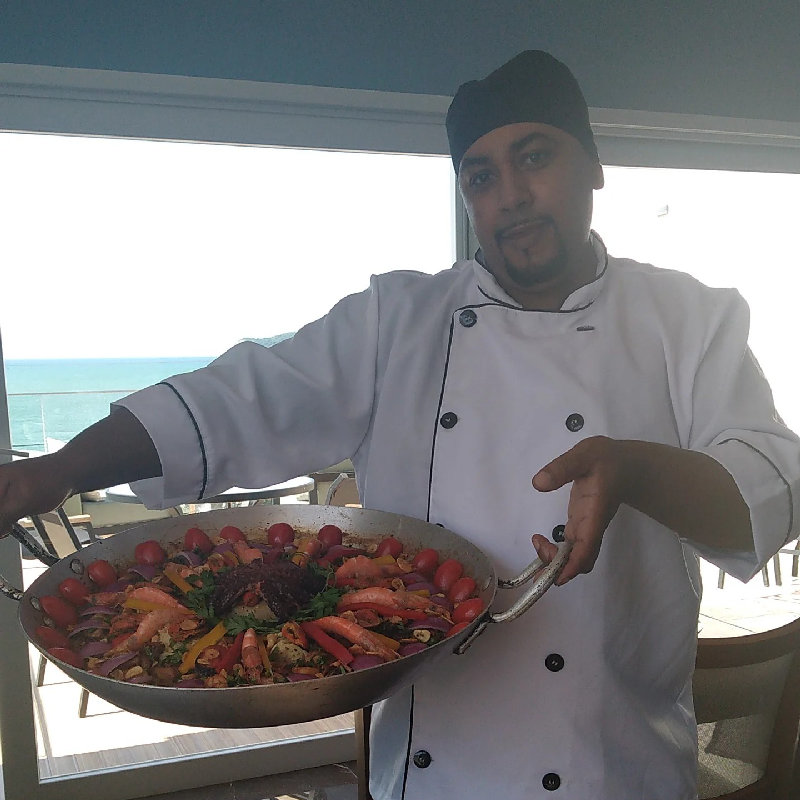
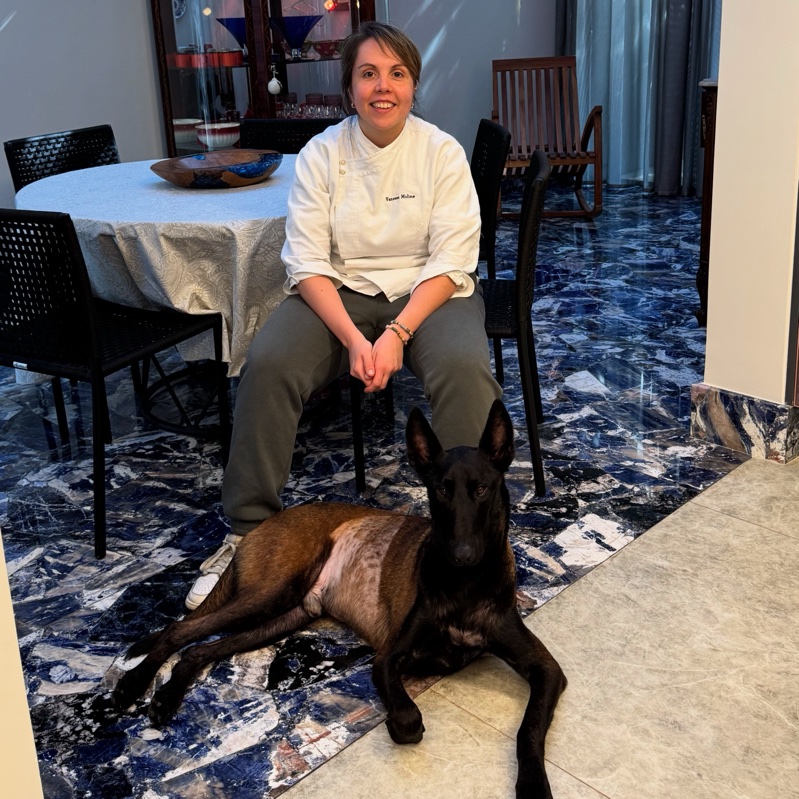
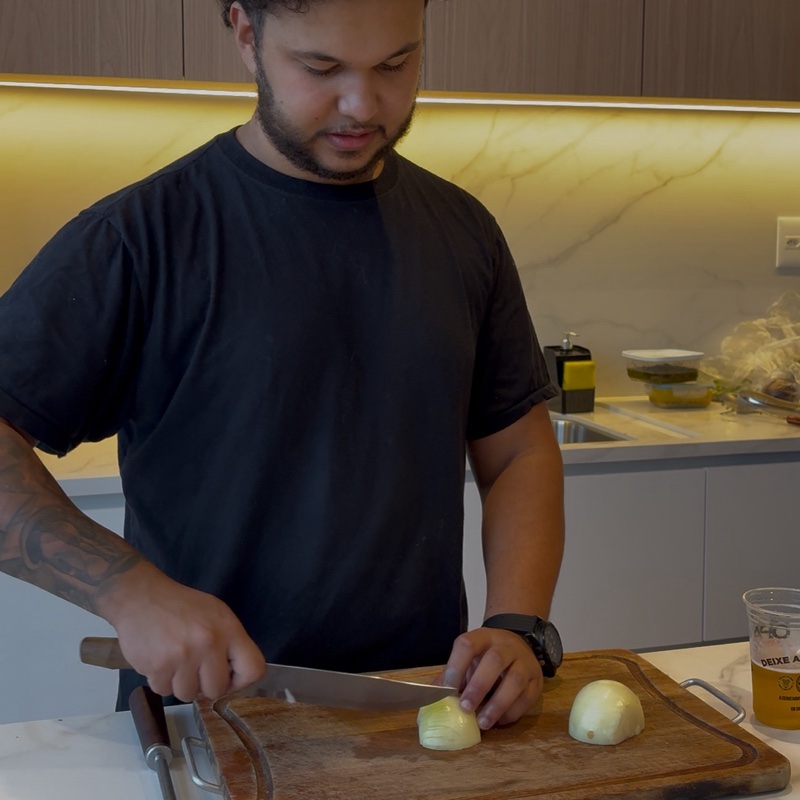
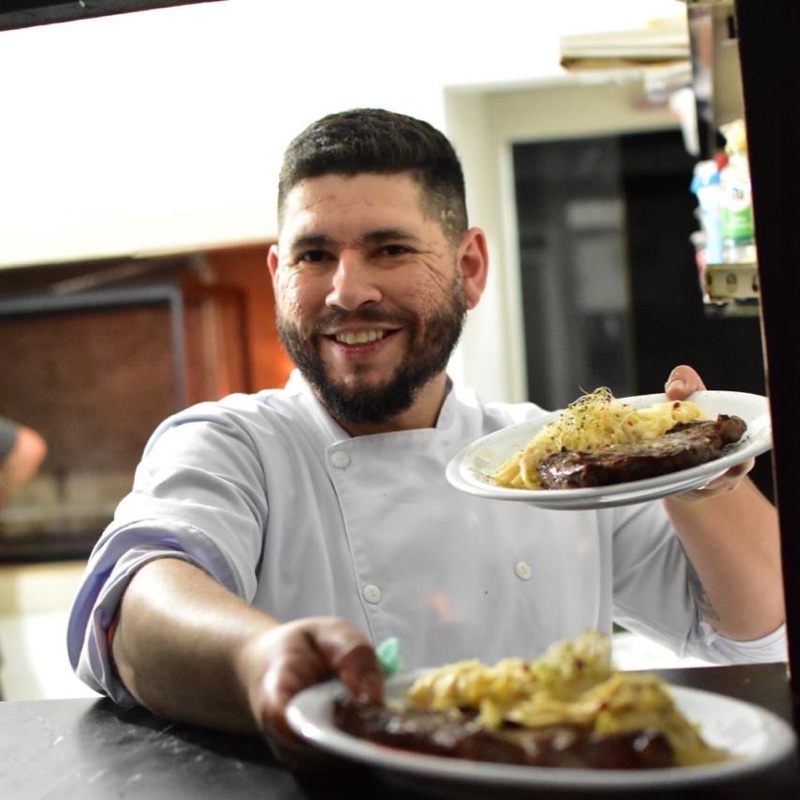
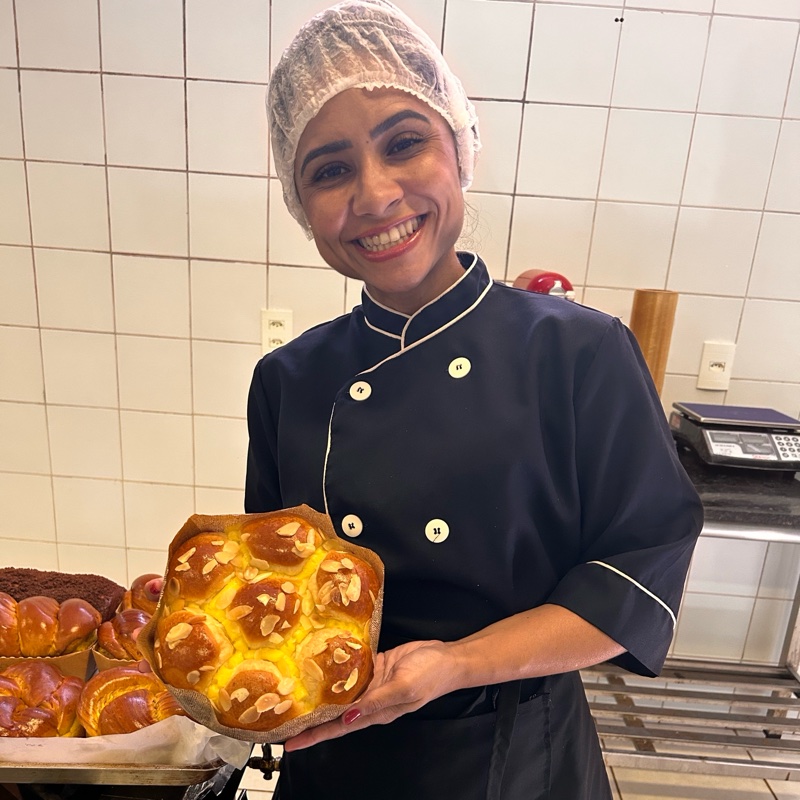
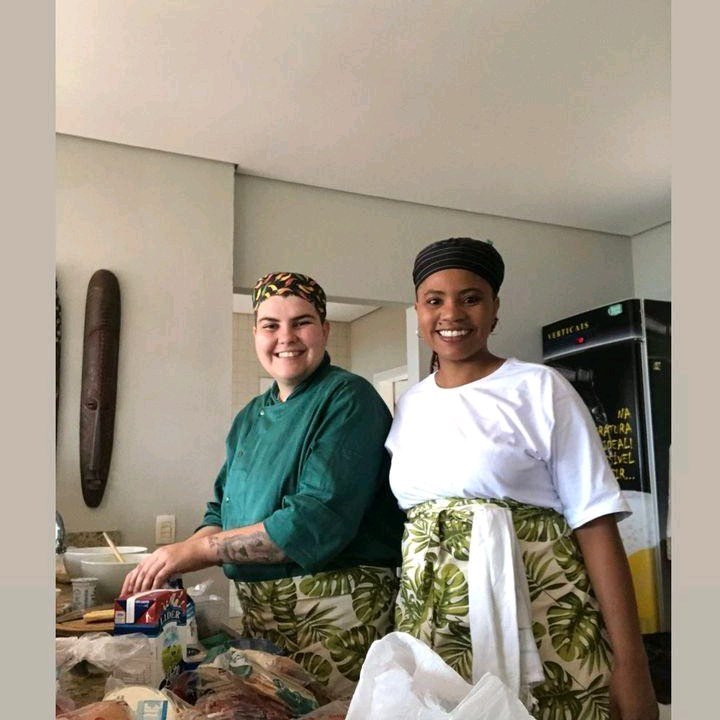
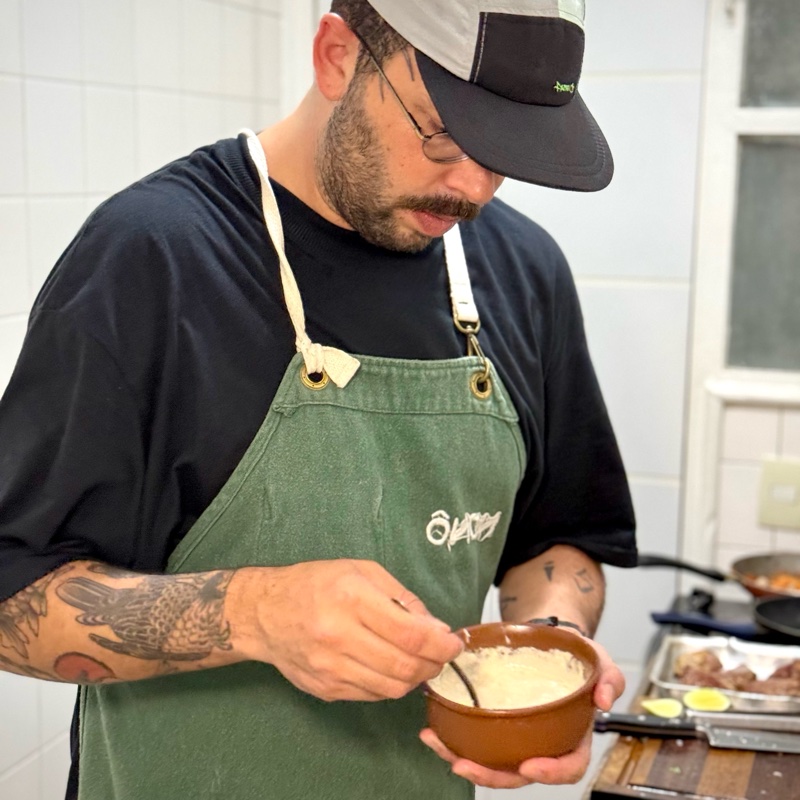
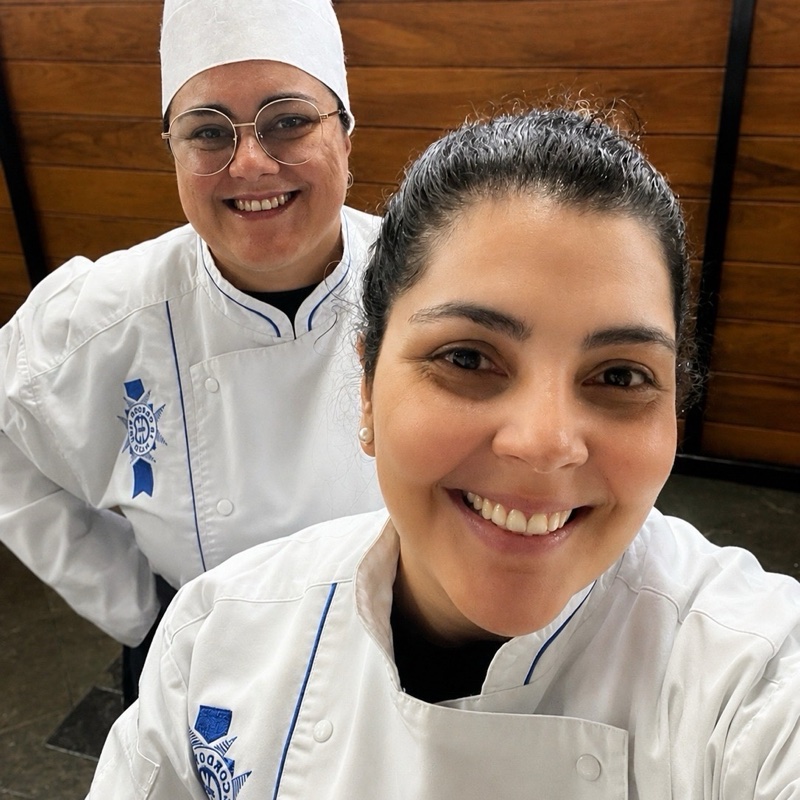
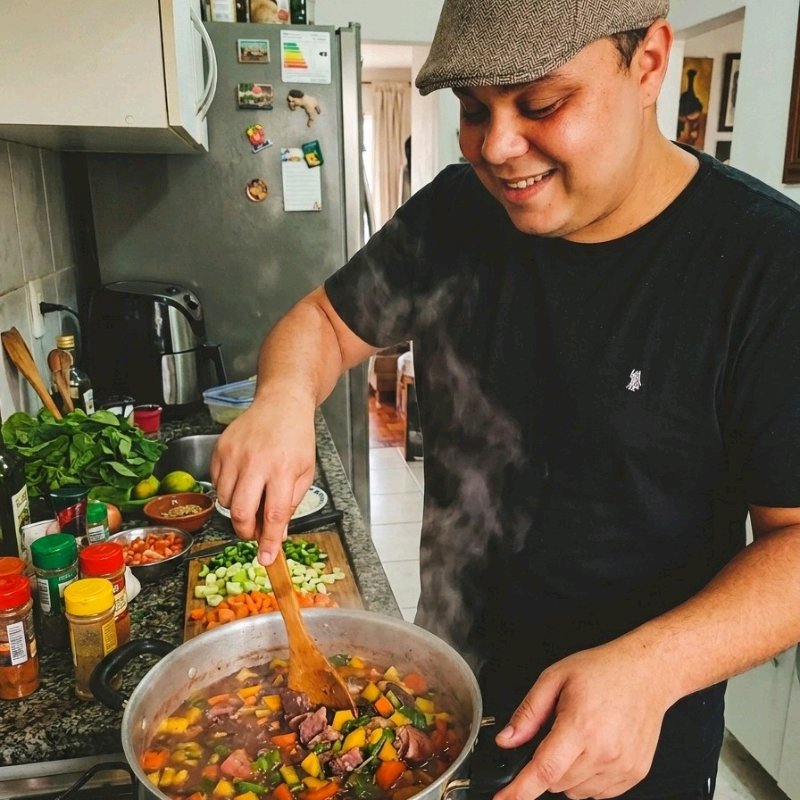
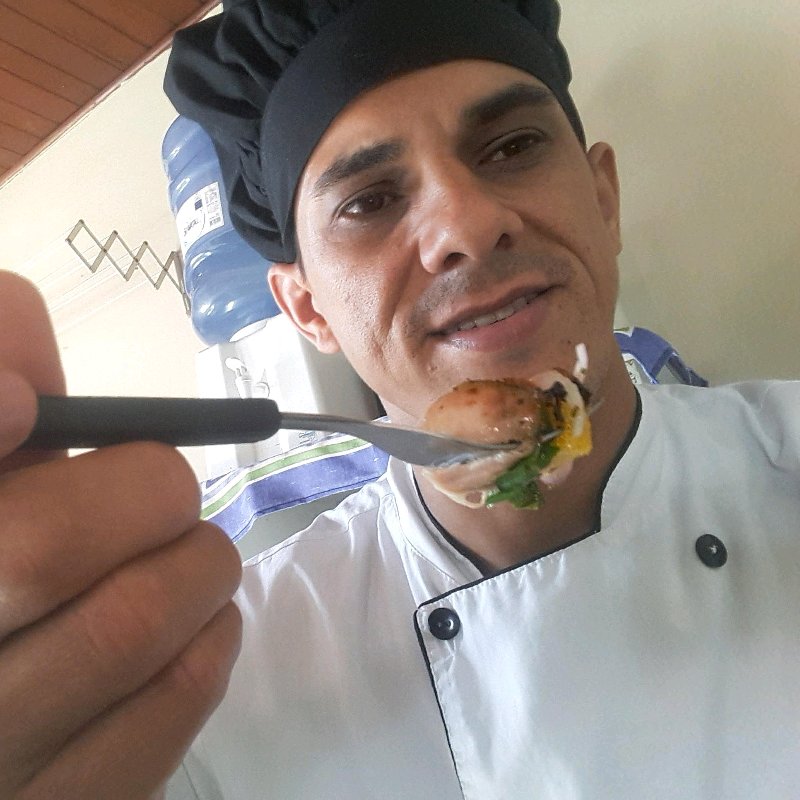
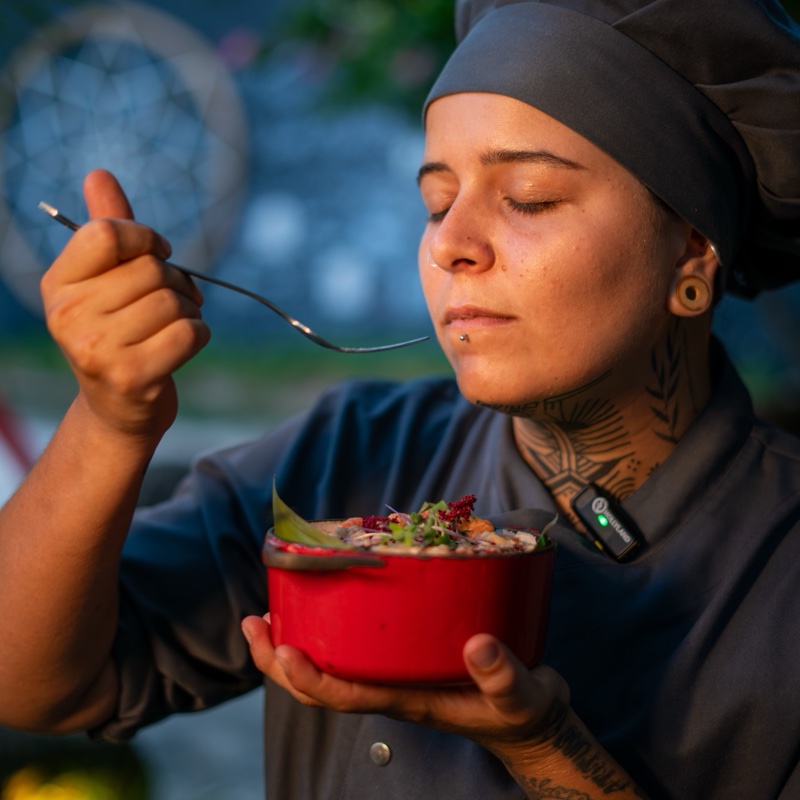
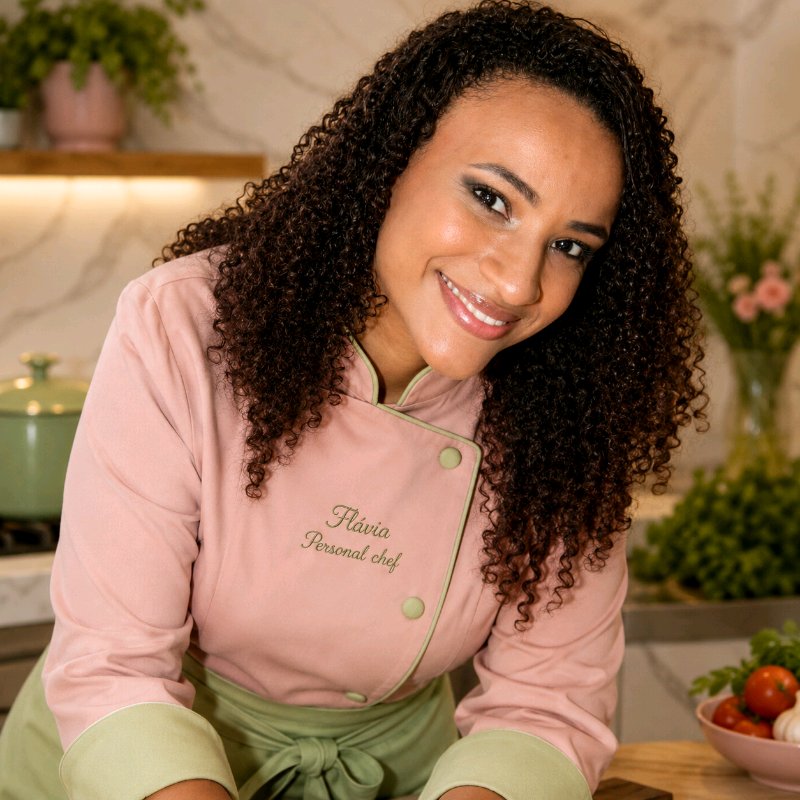
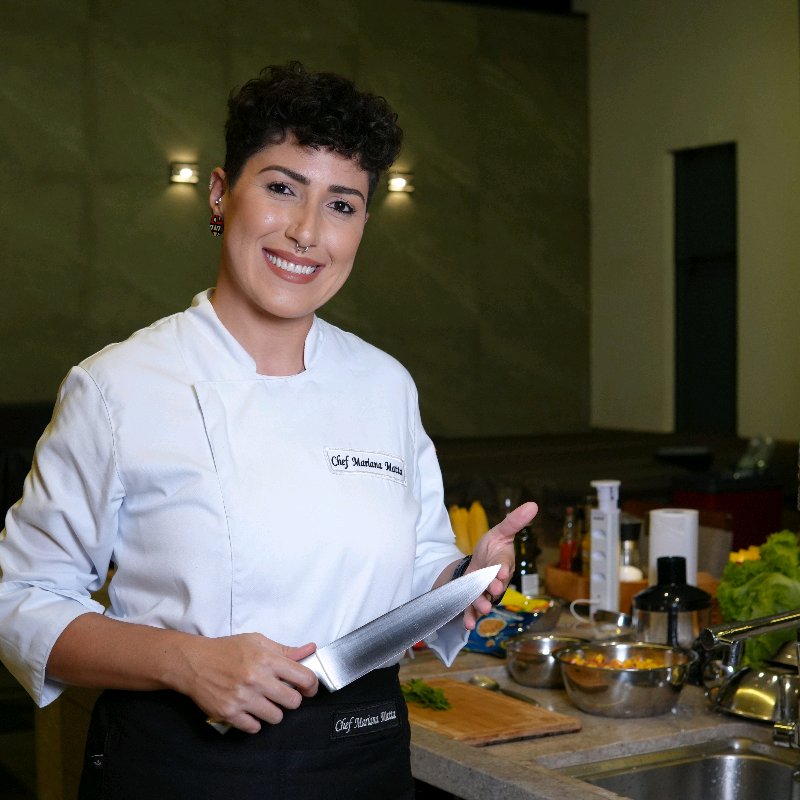
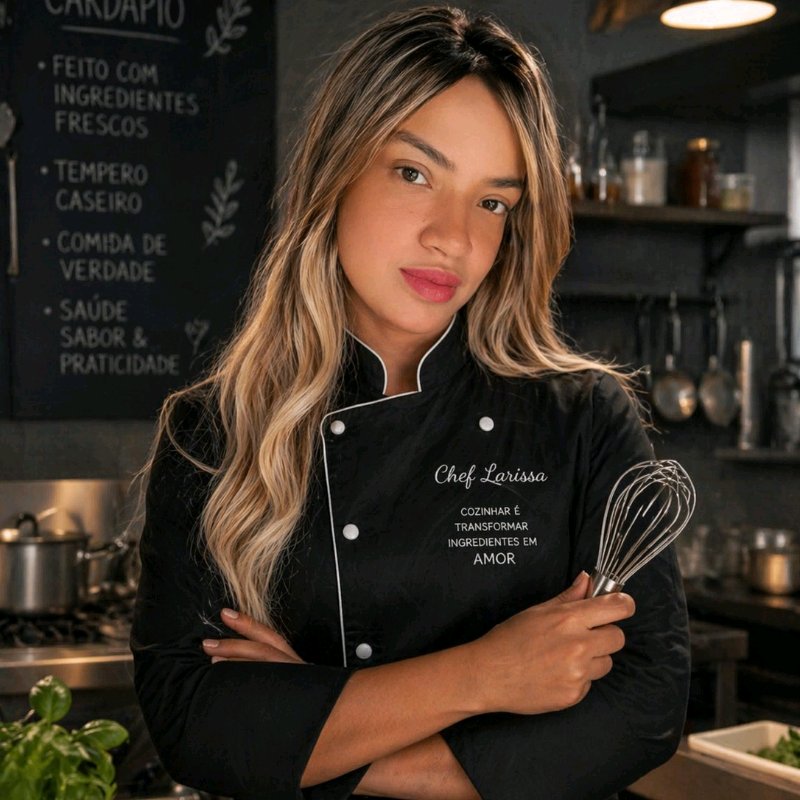
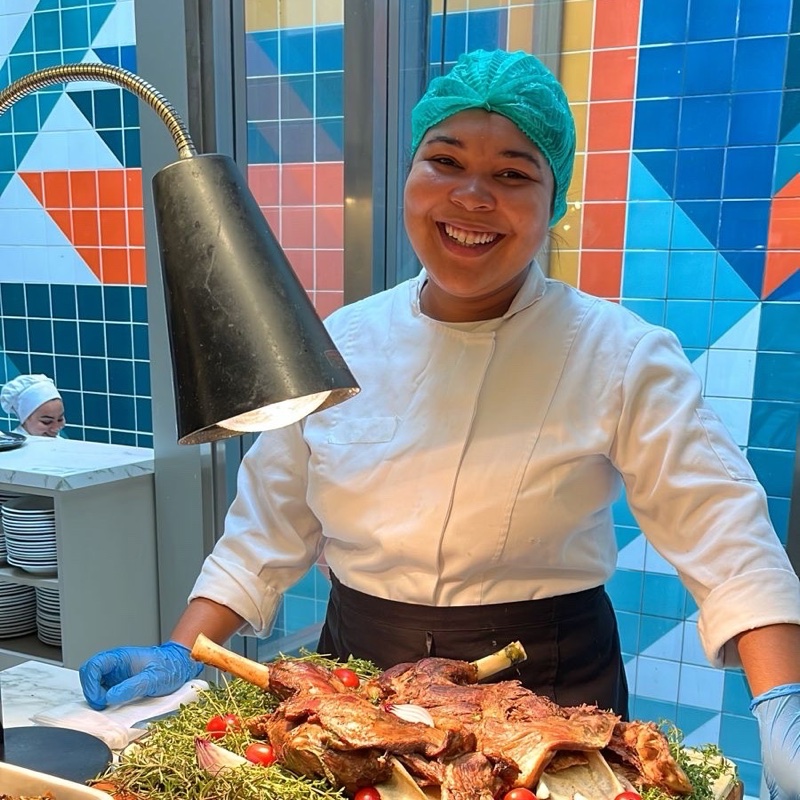
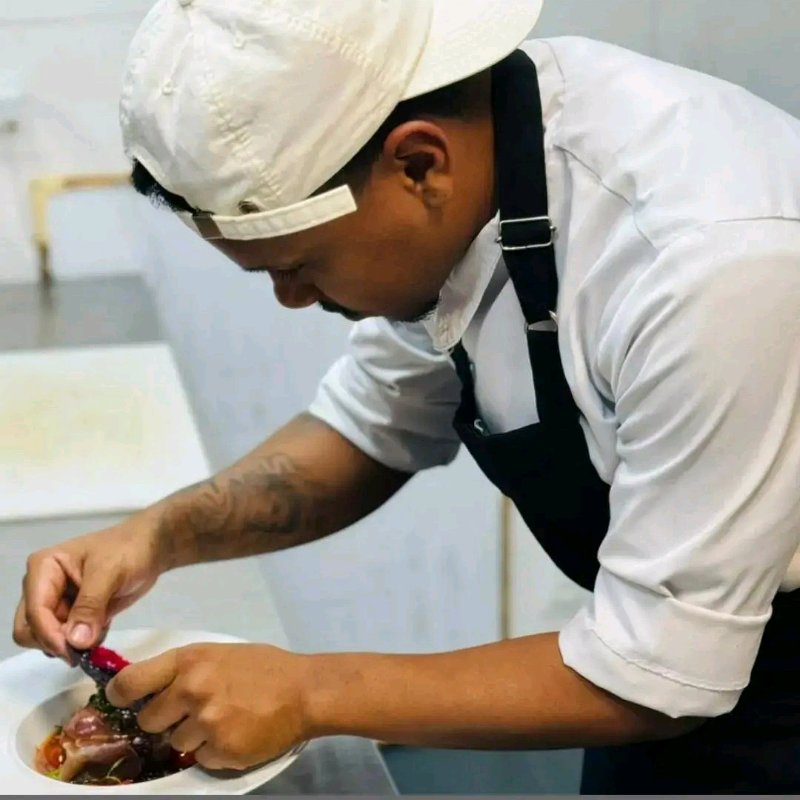
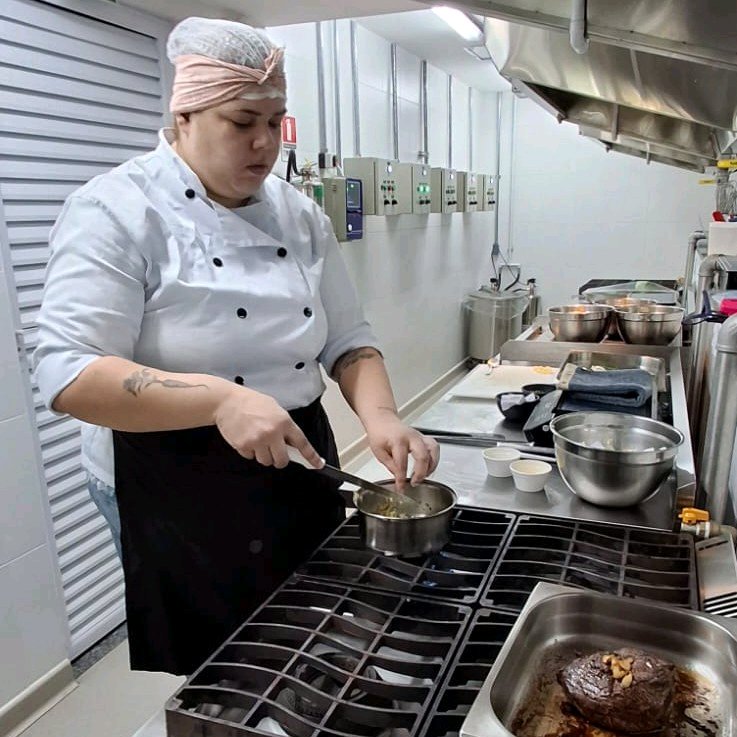
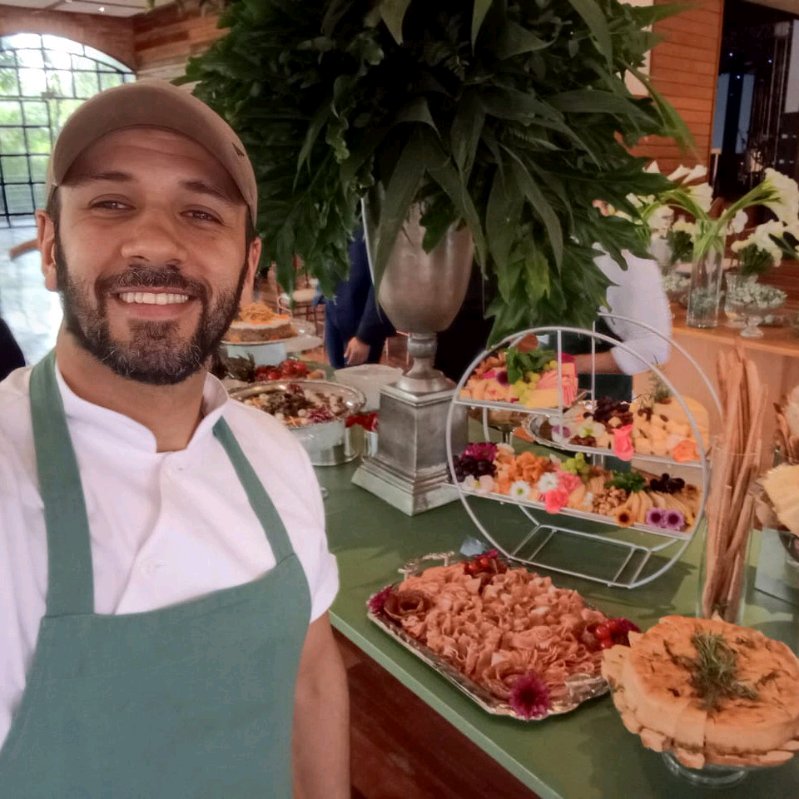
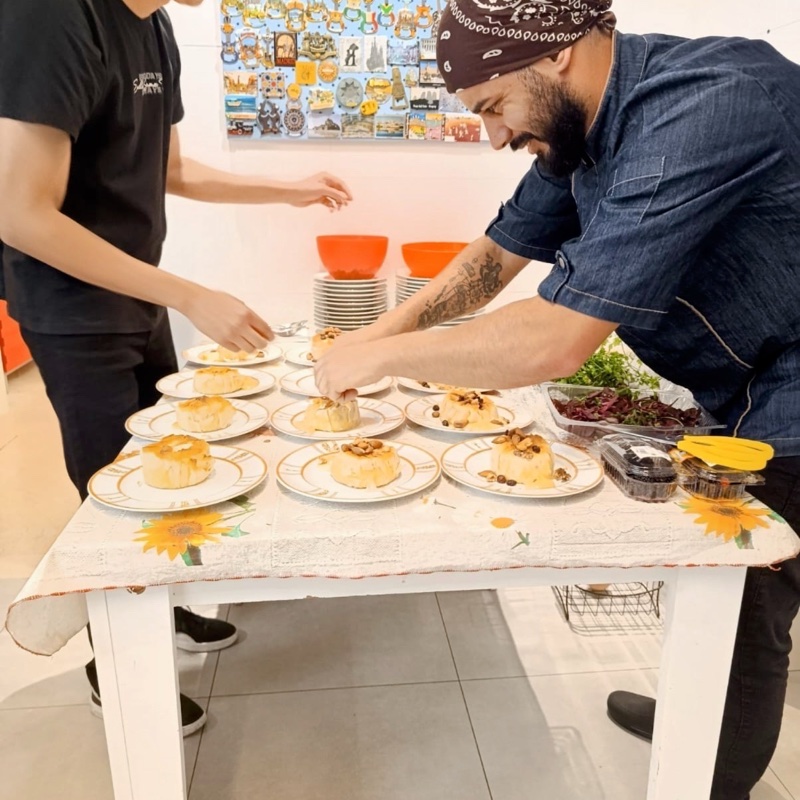
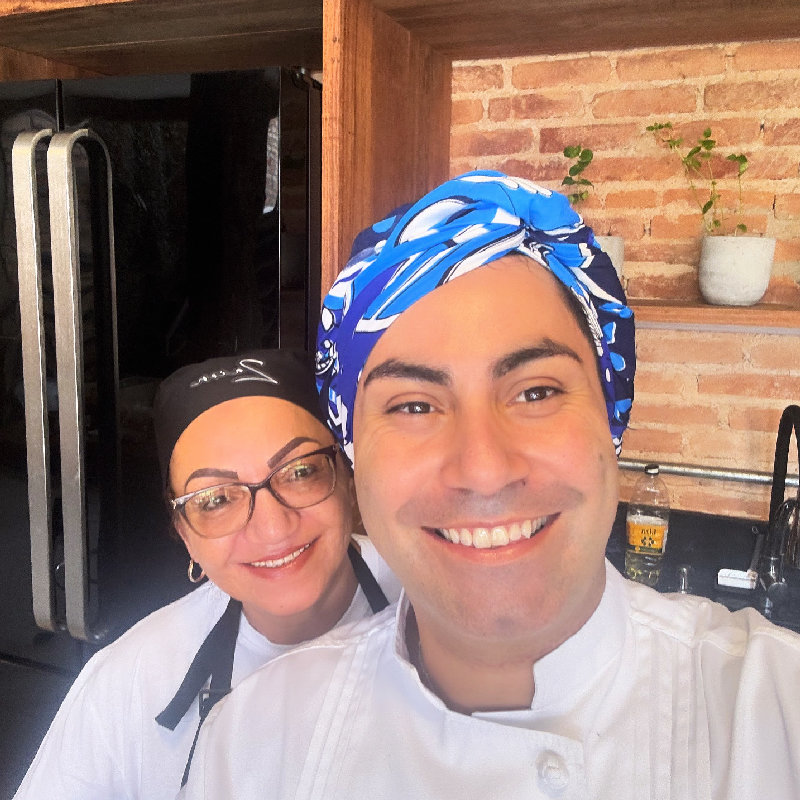
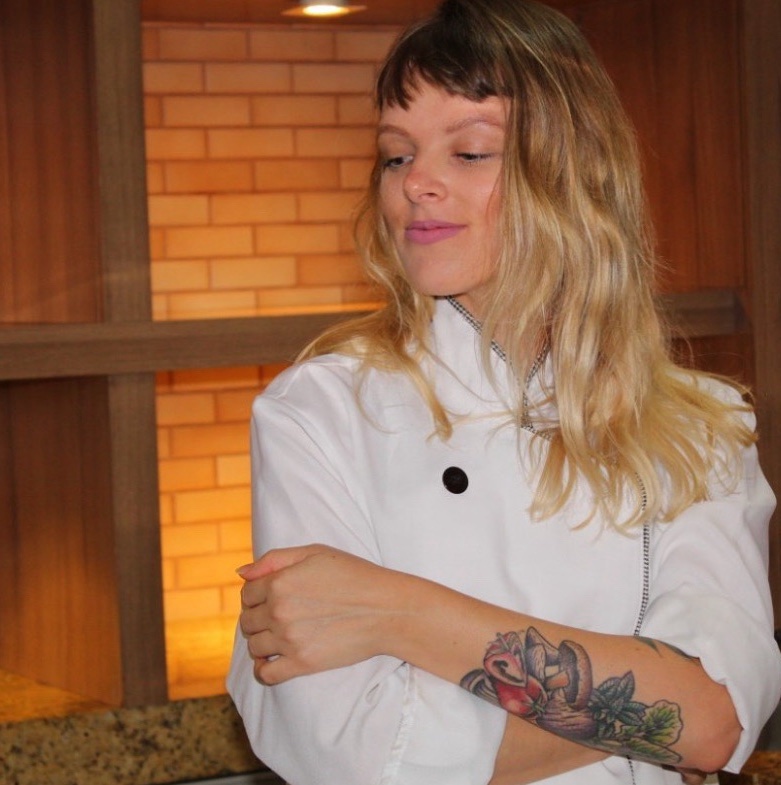
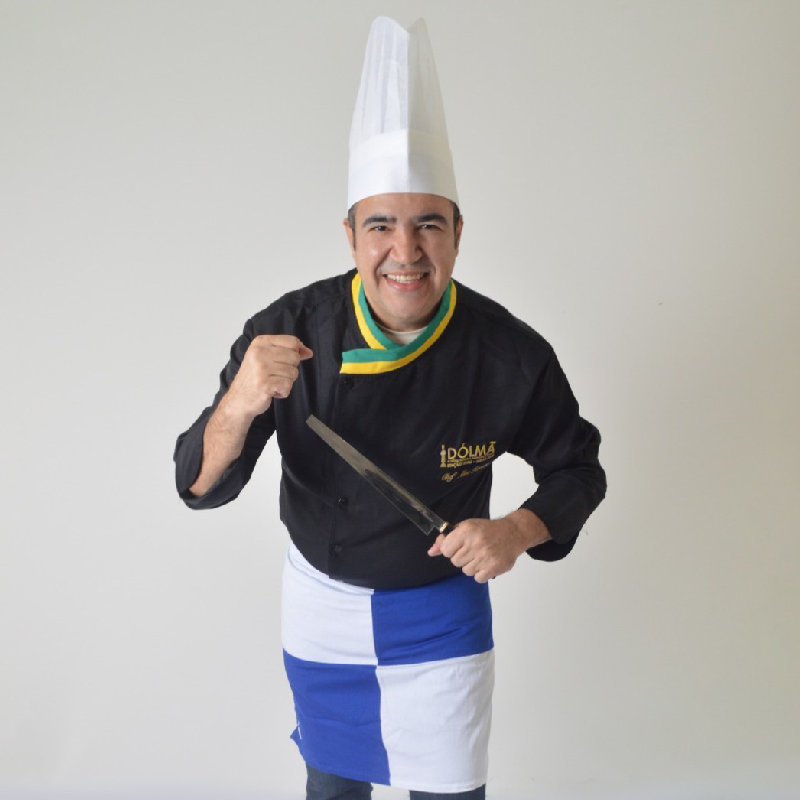
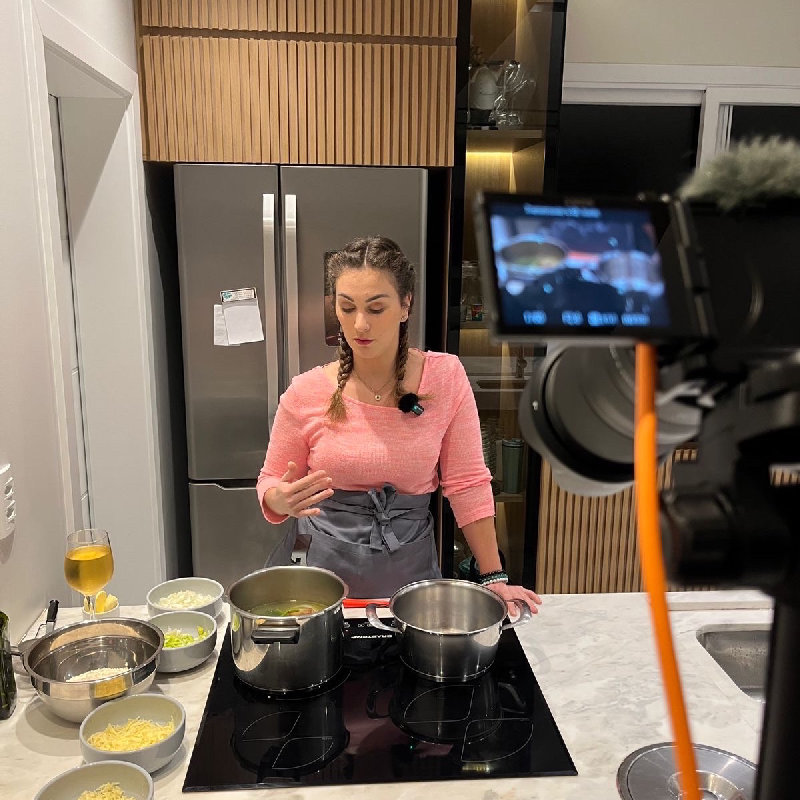
A personal chef hired for a surprise dinner handles the entire culinary component — arriving while the guest of honor is away, setting up the kitchen, cooking every course, plating beautifully and timing service to your reveal moment — so your only job is being fully present for the person you are surprising. This is particularly valuable for a romantic dinner where you want to sit across the table from them for the entire evening without disappearing into the kitchen between courses.
Brief the chef fully on the occasion: who the dinner is for, what makes it significant, their favorite flavors and any personal touches you want built into the menu. The best myChef chefs treat this briefing seriously and design the menu around it. For an intimate surprise dinner for two, expect to invest R$ 600 to R$ 1,500 for a full chef experience — this is the total cost of an evening that will be remembered for years.