The Brazilian Vegan Pantry: A Chef's Greatest Asset
Brazil has one of the most naturally vegan-friendly culinary traditions in the world. The raw materials are extraordinary: black beans (feijão preto), chickpeas (grão-de-bico), lentils (lentilha), a vast array of tropical fruits, dense root vegetables like mandioca and batata-doce, fresh herbs, coconut milk (leite de coco), and palm oil (azeite de dendê) that form the base of some of the country's most distinctive flavors.
A chef who cooks vegan Brazilian food has access to ingredients that are cheaper, fresher and more flavorful than the imported meat substitutes that dominate vegan meal prep in other countries. The Feira da Liberdade in São Paulo or the CEASA markets in major cities offer seasonal vegetables, exotic fruits and specialty legumes at prices that make plant-based eating economical without sacrificing quality.
This pantry richness means that a well-designed vegan meal prep week in Brazil can include flavors from Bahia (coconut milk, dendê, pimenta), Minas Gerais (tutu de feijão, couve, ora-pro-nóbis), the Amazon (tucumã, açaí, jambu) and contemporary urban cooking — a range that keeps meals genuinely interesting week after week.
Nutritional Completeness: What a Chef Tracks So You Do Not Have To
The most common nutritional concern for vegan eaters is protein — specifically, ensuring intake of all essential amino acids that animal products provide automatically. A chef who understands plant-based nutrition designs meals with complementary proteins: rice and beans (the classic Brazilian combination that together provide a complete amino acid profile), lentils with whole grain bread, chickpeas with sesame (tahini).
Beyond protein, a vegan-experienced chef pays attention to vitamin B12 (available through fortified foods or nutritional yeast, which the chef can incorporate into sauces and toppings), iron from dark leafy greens and legumes paired with vitamin C sources to boost absorption, calcium from tofu, broccoli and fortified plant milks, and omega-3 fats from walnuts, flaxseed and chia.
For most clients, these are considerations that live in the background of a well-designed meal plan. You do not need to understand the biochemistry — you need a chef who does and builds it into the weekly menu. The result is energy and nutritional adequacy without supplementation anxiety.
Pro Tip
Ask your chef to incorporate nutritional yeast (levedura nutricional) into at least 2-3 meals per week. It provides B12, a cheese-like umami flavor, and extra protein. It works in pasta sauces, dressings, soups and vegetable gratins.
A Sample Week of Chef-Prepared Vegan Meals
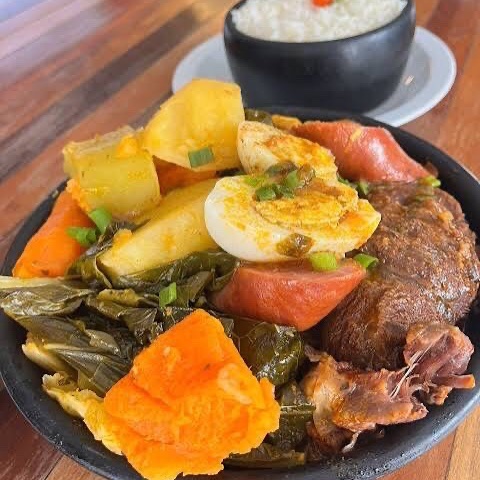
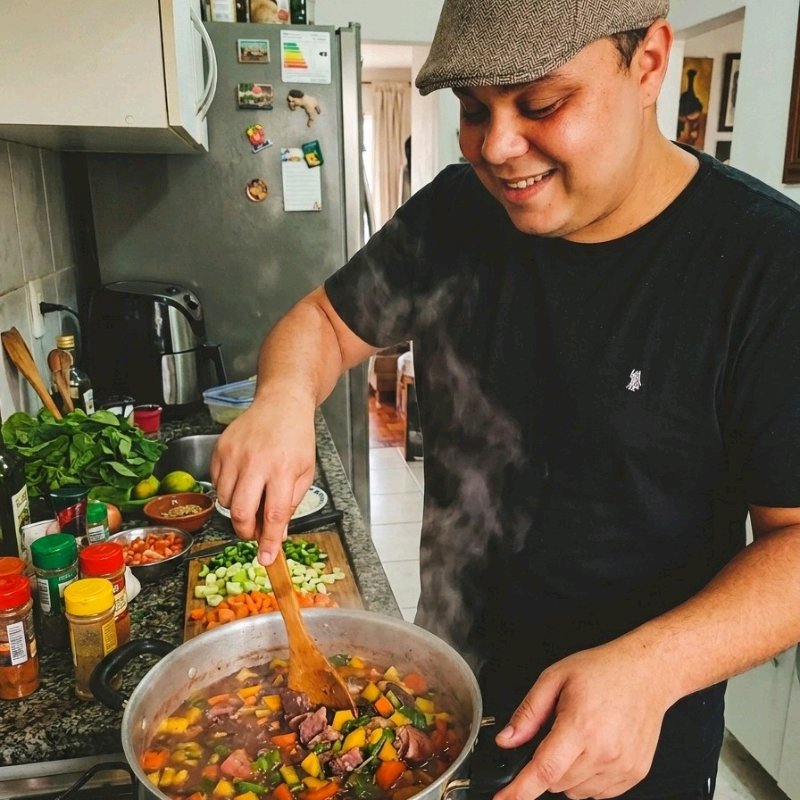
Monday begins with overnight oats prepared with leite de coco, chia seeds, sliced banana and toasted granola. Lunch is a feijoada vegana — black beans slow-cooked with smoked paprika, cumin and orange peel, served with arroz integral and sautéed couve with garlic. Dinner is abobrinha e cogumelo ao molho de tomate com ervas frescas, served over polenta cremosa.
Midweek brings a warm salad of roasted batata-doce with grão-de-bico, toasted seeds, fresh herbs and a tahini-lemon dressing — high protein, high fiber and deeply satisfying. A red lentil dal with fresh ginger, turmeric and curry leaves served over quinoa provides iron, protein and warm spice. Friday's dinner is jackfruit (jaca verde) slow-cooked with smoked seasoning and served in tortillas with pickled onion, avocado cream and fresh cilantro.
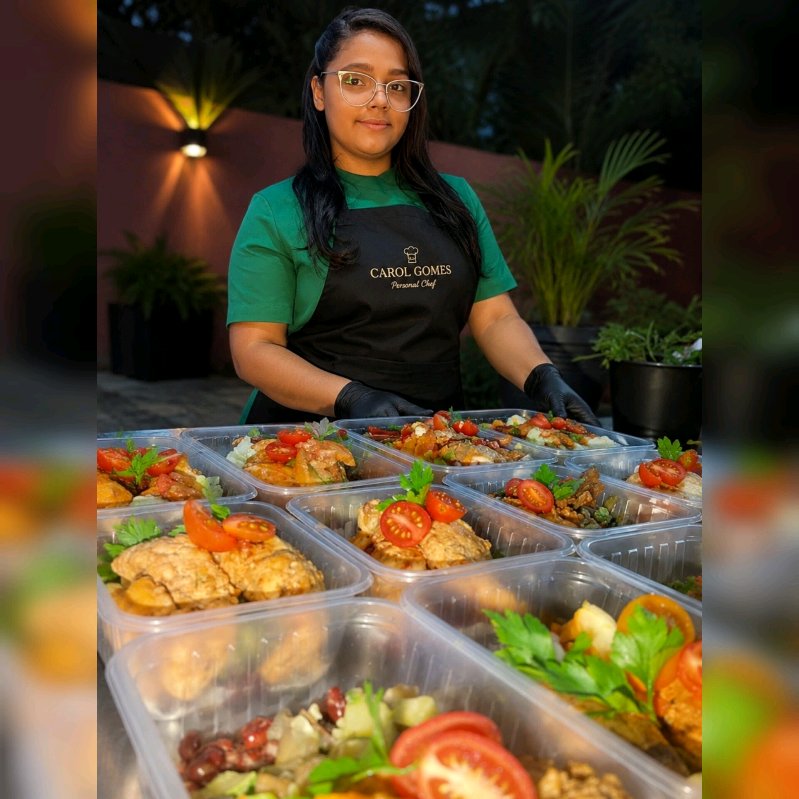
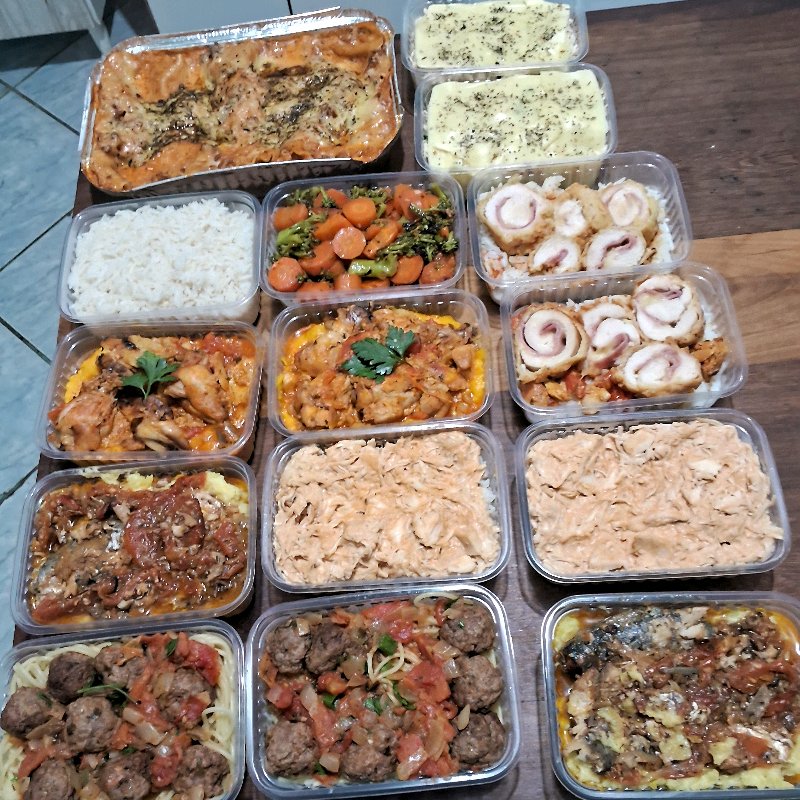
Snacks throughout the week include homemade hummus with crudités, açaí bowls prepared without dairy, fruit with chia pudding, and roasted grão-de-bico seasoned with cumin and lime. Each of these is prepared and portioned in advance, so the week's eating requires nothing more than opening a container.
Protein Without Repetition: The Chef's Approach
Protein variety is the most important factor in sustaining a vegan diet long-term. A chef who designs vegan meal prep cycles through legume proteins (feijão, grão-de-bico, lentilha, edamame), grain proteins (quinoa, amaranto), seed proteins (hemp seeds, chia, sunflower seeds), tofu and tempeh, and seitan for clients who are not gluten-sensitive. Each of these has a distinct texture and flavor profile, making them genuinely interchangeable in meal planning without creating monotony.
Tofu, perhaps the most versatile vegan protein, is an area where chef technique makes an enormous difference. Poorly prepared tofu is watery and bland; a chef-prepared tofu — pressed overnight, marinated in tamari, sesame and ginger, then oven-roasted until caramelized — is a completely different ingredient. The same applies to tempeh, which a skilled chef will steam before marinating to remove bitterness, then grill or braise to develop flavor.
For clients who find protein adequacy genuinely difficult, a vegan chef may also incorporate protein-boosting techniques: adding silken tofu to smoothies, blending white beans into soups and sauces for invisible protein enrichment, using quinoa as a base grain in salads, and including hemp seeds in dressings.
Briefing Your Vegan Chef
The most important information to share with your chef is your reason for eating vegan. Someone who avoids animal products for environmental reasons may tolerate highly processed vegan products (plant-based meats, vegan cheeses) in moderation; someone following a vegan protocol for health may want only whole foods. Someone who recently transitioned from omnivore eating and misses meat textures may want dishes that satisfy those cravings (jackfruit pulled 'meat', mushroom 'steak'); a longer-term vegan may prefer food that celebrates vegetables on their own terms.
Share your favorite ingredients and your dislikes. If you find tofu texturally unappealing, the chef can rely on tempeh and legumes. If you love mushrooms, a chef who cooks with shiitake, portobello, shimeji and oyster mushrooms will build satisfying umami-rich meals around them without you having to request them each week.
Mention any nutritional targets: if you are working with a nutritionist on protein goals, share the gram targets. If you are managing weight, share your caloric window. A vegan chef who has these numbers can design a plan that is nutritionally complete and aligned with your specific goals, not just 'generally healthy.'
✓Specify whole foods vs. processed vegan products
Do you want minimally processed whole food vegan meals, or are plant-based meats and vegan cheeses acceptable? The answer shapes the chef's shopping list significantly.
✓Share your protein target if you have one
Vegan protein adequacy requires intentional design. A gram target per day gives the chef a concrete number to hit.
✓List your favorite plant-based flavors
Do you love spicy food? Coconut milk-based curries? Bright citrus dressings? These preferences allow the chef to build a menu that feels personal, not generic.
✓Mention foods you find texturally difficult
Tofu, tempeh and seitan all have distinct textures. If any of these are unappealing, say so — there are always alternatives.
✓Confirm whether cross-contamination with animal products matters
For ethical vegans who do not want any shared surfaces with meat or dairy, communicate this clearly. A professional chef will adapt their kitchen protocol accordingly.
Costs and What to Expect
Vegan meal prep with a personal chef in Brazil is often slightly less expensive than omnivore meal prep because high-quality plant proteins (legumes, tofu, tempeh) cost less per serving than meat. A weekly session for 10-15 meals typically costs R$280-R$650 including ingredients in major cities. Per-meal cost of R$20-R$50 compares favorably to specialty vegan delivery apps.
The cost advantage is most pronounced for clients who previously relied on delivery apps or specialty vegan restaurants for daily meals. A weekly prep session replaces 10-15 delivery orders at a fraction of the aggregate cost, while providing significantly better nutritional control and freshness.
Most chefs are happy to shop at organic markets or specific feiras if you have a preference. Some clients provide a monthly delivery from an organic box service and ask the chef to cook around whatever arrives — an approach that maximizes freshness and seasonal variety within a fixed ingredient budget.