Why Personal Chefs Are Replacing Caterers at Intimate Weddings
Traditional catering companies are designed for scale—they produce the same menu for dozens of events, transport food in heated containers from a central kitchen, and staff with teams that rotate across multiple events in the same weekend. This model works for weddings of 150 guests, but for an intimate ceremony of 30, it produces food that feels generic at a price that doesn't feel reasonable.
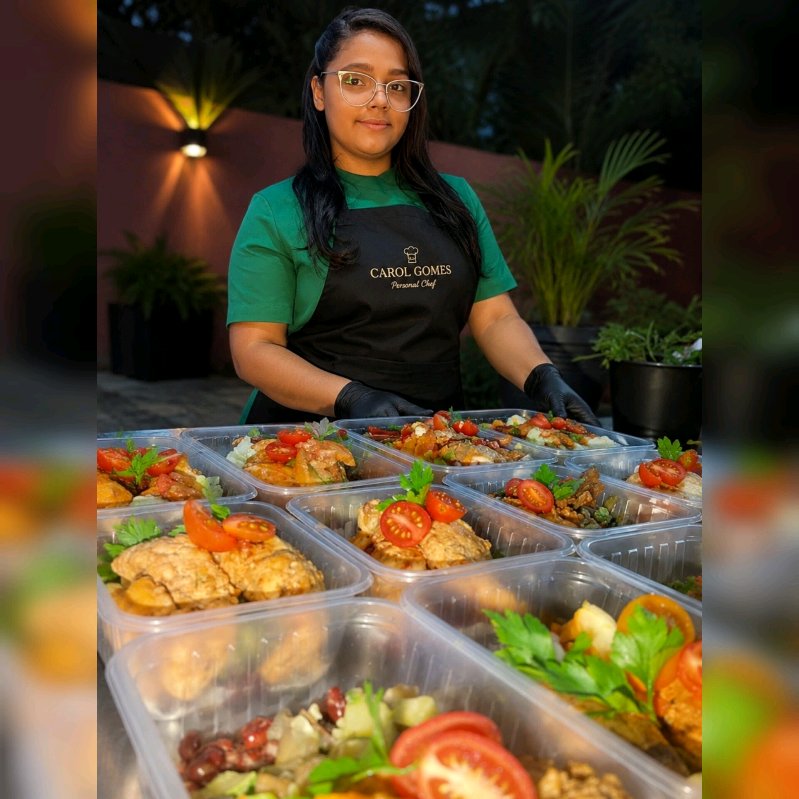
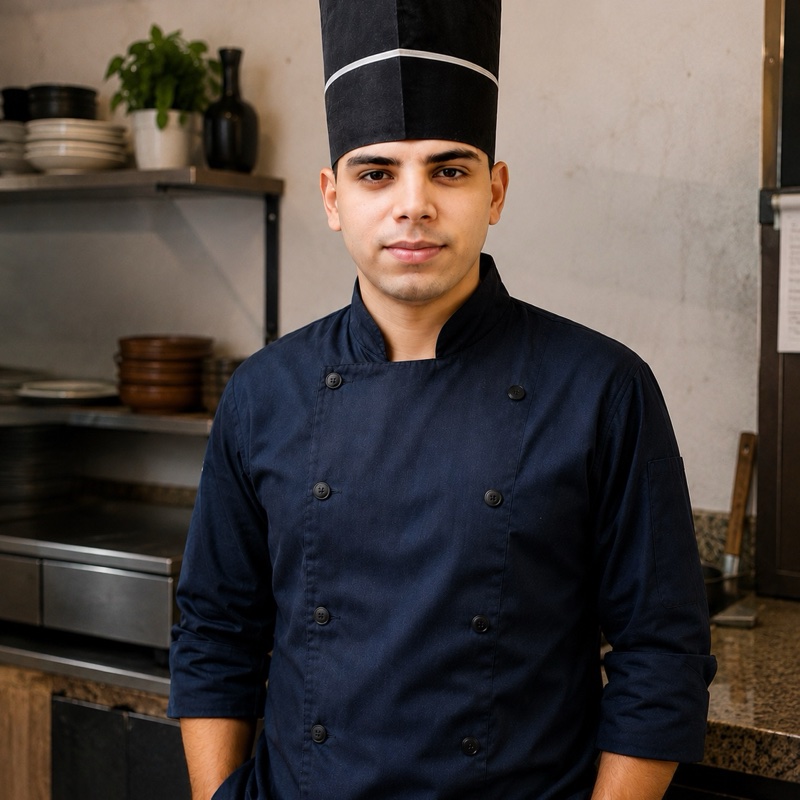
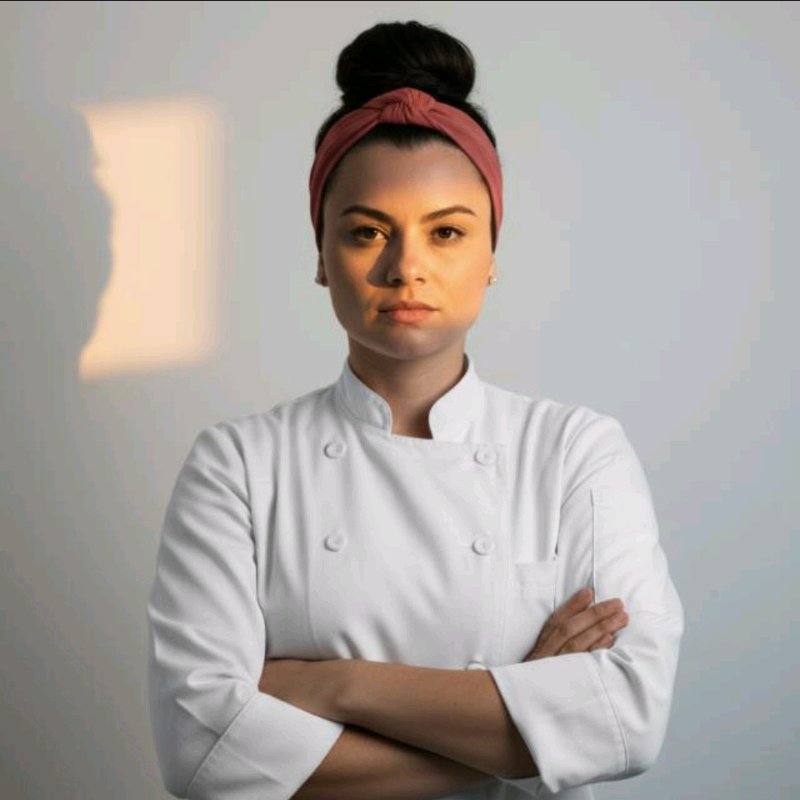
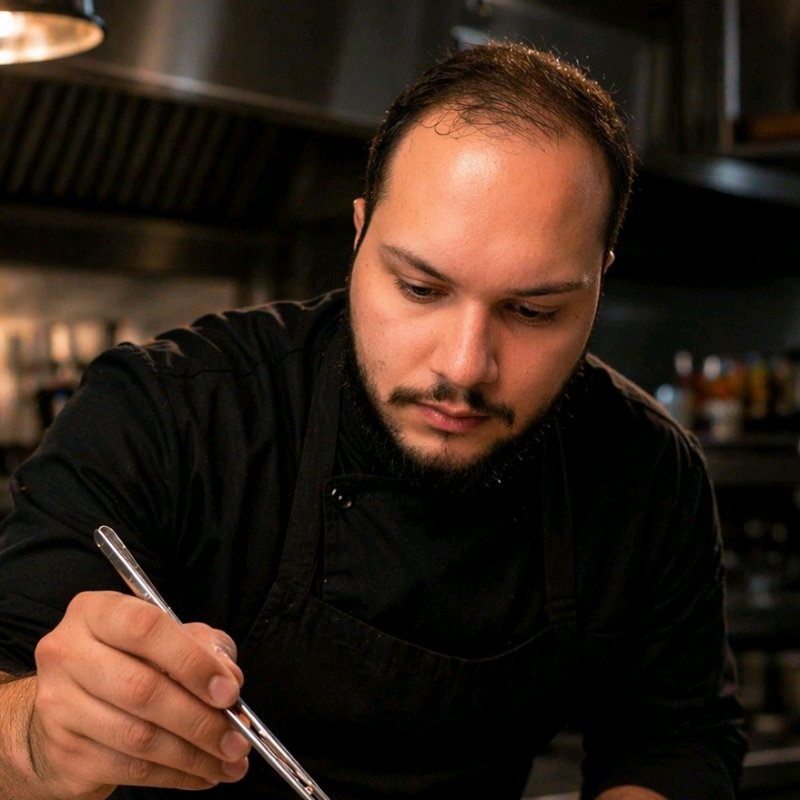
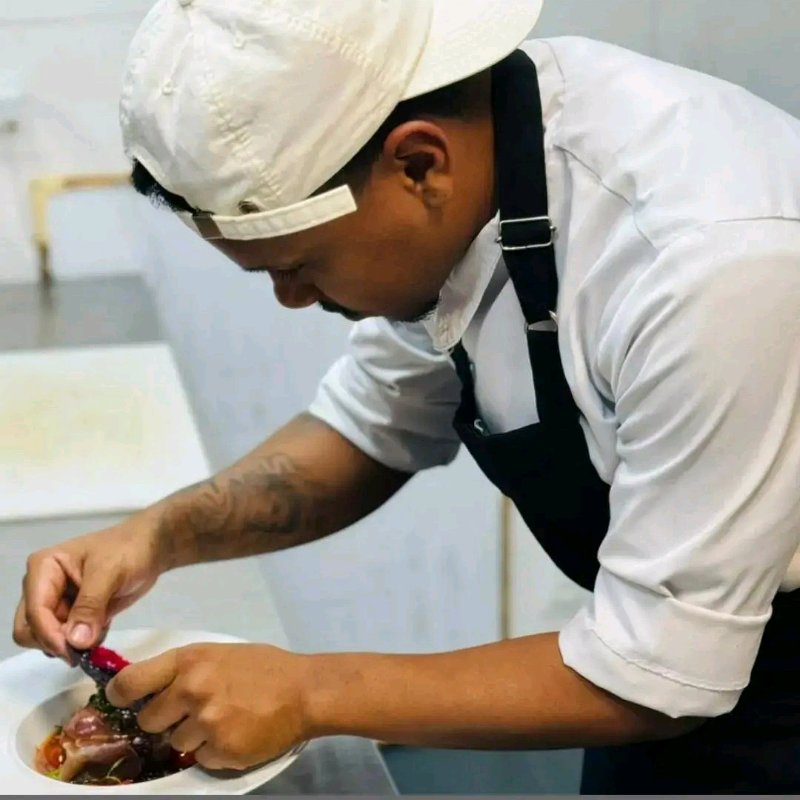
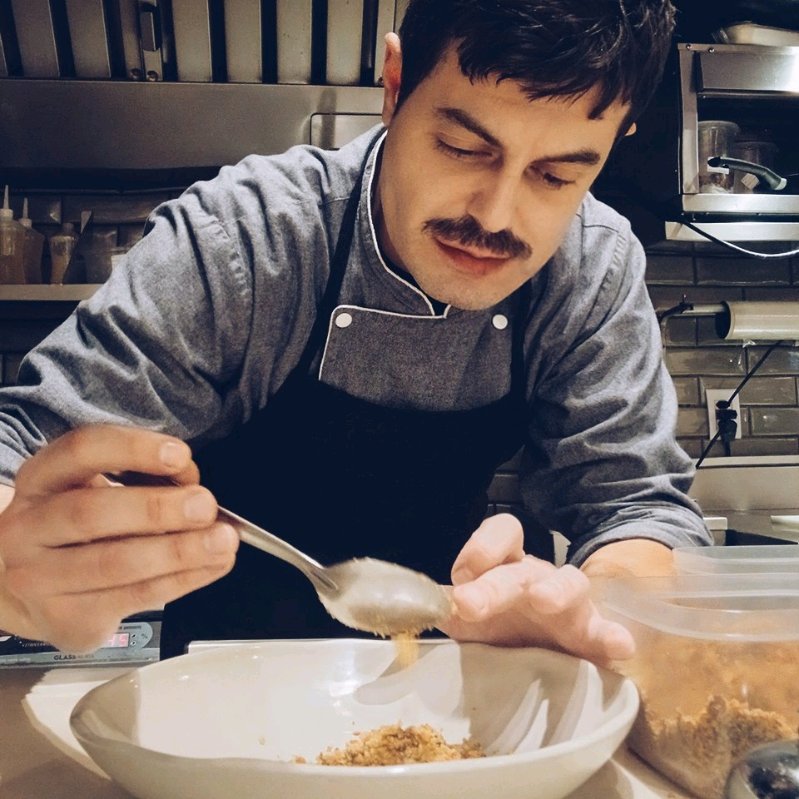
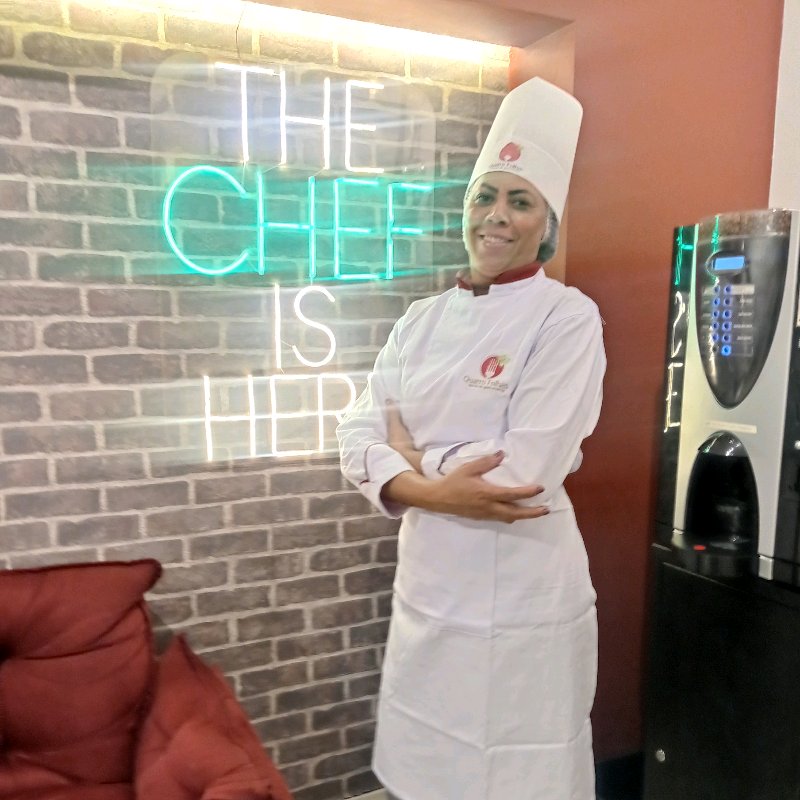
A personal chef working a mini wedding operates on a completely different model. They design the menu specifically for the couple—drawing on their cultural backgrounds, their favorite dishes, the cuisine of the region where they met or got engaged, or simply the food they love most in the world. Every element is made fresh, on-site or in the venue's kitchen, on the day. The difference in quality is immediately apparent to guests.
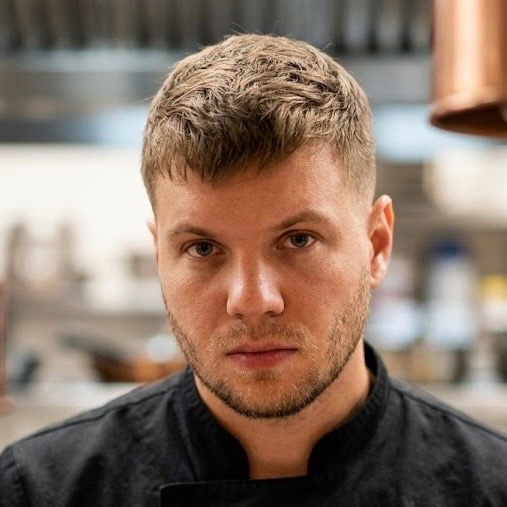
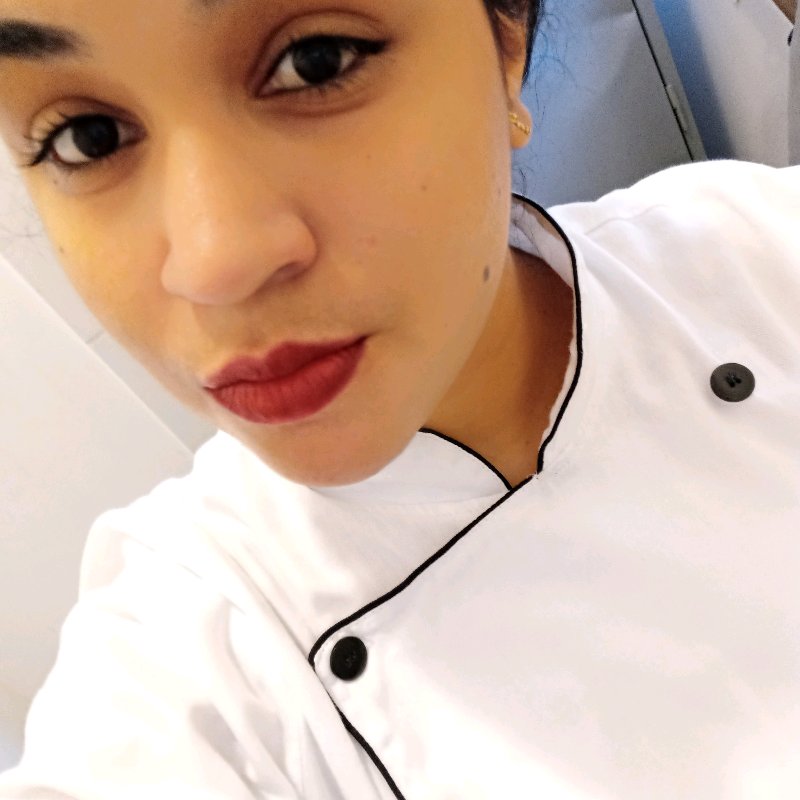
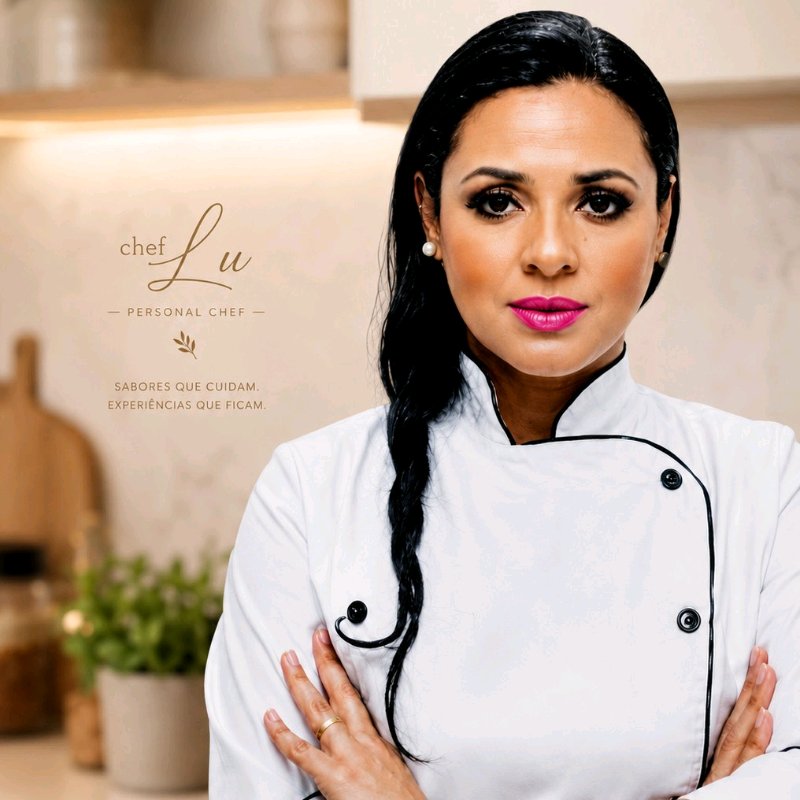
The personal relationship between a couple and their wedding chef is also qualitatively different from working with a catering company's sales team. Most personal chefs who specialize in intimate weddings have multiple conversations with the couple before finalizing the menu—tastings are common, adjustments are expected, and the final menu genuinely reflects the couple's identity. For many couples in Brazil who have chosen the mini wedding format precisely because they wanted something personal, a personal chef is the natural completion of that intention.
Pro Tip
Schedule a tasting session with your chef two to three weeks before the wedding. A tasting lets you confirm portions, adjust seasoning, and identify any dish that doesn't feel right—all before the day. Most chefs who work weddings include a tasting in their service, or offer it at a separate cost that is applied to the wedding booking.
Wedding Menu Formats: From Cocktail Receptions to Plated Dinners
The first menu decision for any wedding is the service format. Intimate weddings in Brazil typically choose from four formats: a cocktail reception only (for ceremonies followed by a separate dinner event), a cocktail reception followed by a seated dinner, a buffet with attended stations, or a family-style shared feast at long tables. Each creates a fundamentally different atmosphere and requires different staffing and logistics.
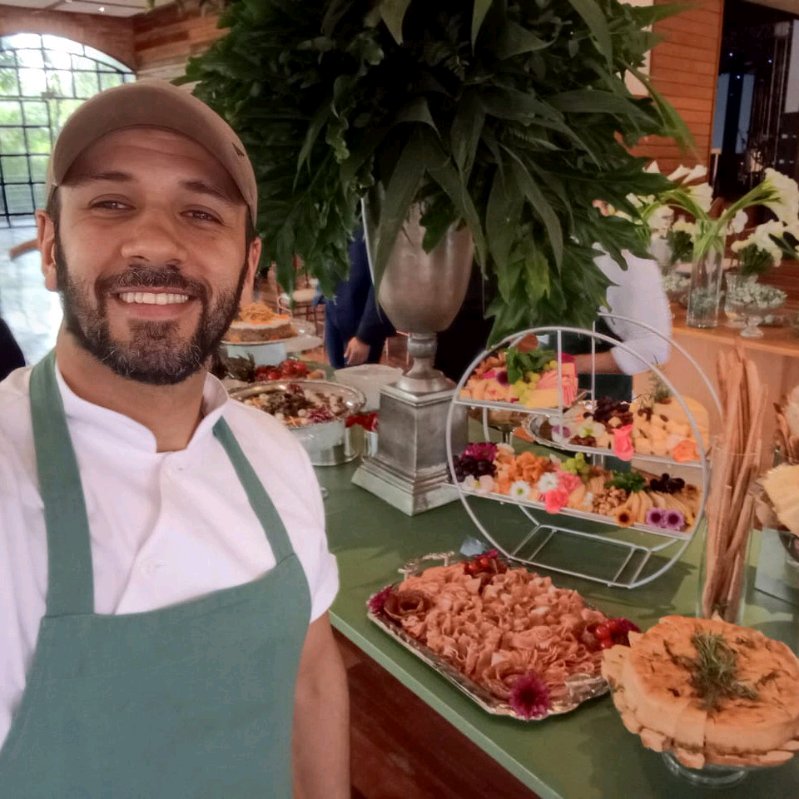
Cocktail receptions—served during the hour before or immediately after the ceremony—are universally important regardless of the broader format. This is when guests are most excited, most mobile, and most likely to spontaneously interact. Chefs design cocktail canapés to be beautiful, bite-sized, and varied: a single round of champagne paired with six to eight different canapés circulated by the chef or an assistant creates an immediate sense of celebration and quality.
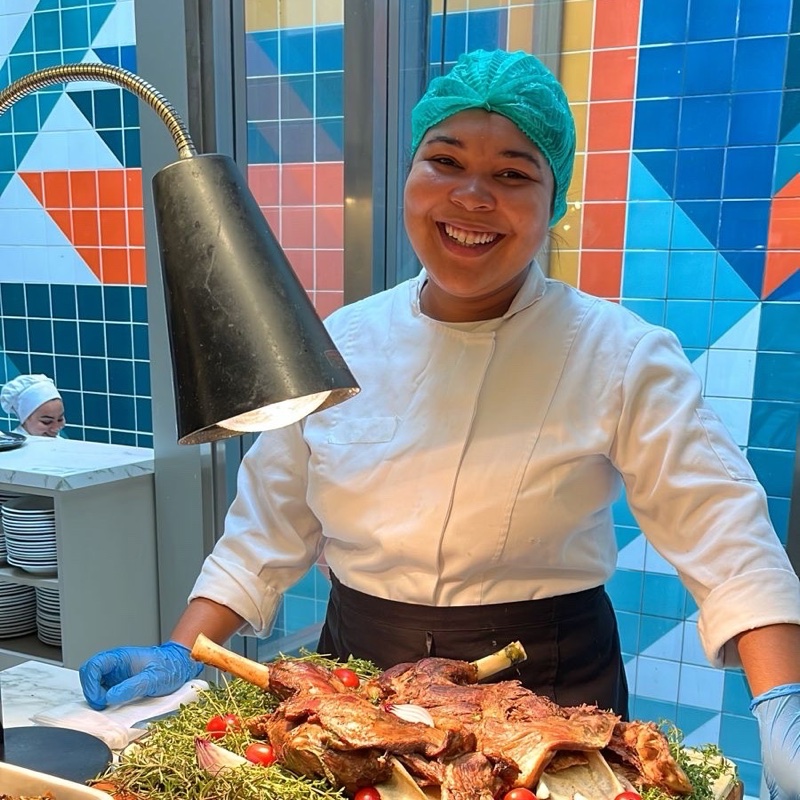
For the main meal, plated dinners are the most formal and theatrical format—guests are seated, courses arrive timed, and the meal has a clear narrative arc. This works best for very intimate weddings of up to thirty guests where the chef can maintain precise timing across the table. For forty to sixty guests, a generous buffet with attended stations (a carving station, a pasta station, a seafood station) is more practical and often more celebratory—guests choose what they want and serve themselves, creating the relaxed warmth that many mini weddings specifically aim for.
Long-table family-style service—where shared platters of food are placed down the center of long communal tables and guests serve each other—has become a signature format of the boho and intimate Brazilian wedding aesthetic. Visually it is extraordinary: dramatic platters of roasted whole fish, carved leg of lamb, grain salads, and roasted vegetables arranged with flowers and herbs along the table. The format encourages sharing, conversation, and the specific warmth of breaking bread together.
✓Cocktail reception canapés
Eight to ten bite-sized canapés per guest, circulated during the reception hour—essential regardless of the main meal format.
✓Seated plated dinner
Three to four courses, timed and served individually—most formal and theatrical, best for up to 30 guests.
✓Attended station buffet
Live stations (carving, pasta, seafood)—more practical for 40–60 guests, festive and interactive.
✓Long-table family-style feast
Shared platters down the center of communal tables—visually stunning, warmly intimate, perfect for the boho mini wedding aesthetic.
✓Late-night snacks
A second food moment two to three hours after dinner—churros, mini tacos, açaí bowls—keeps energy high into the night.
Wedding Menu Ideas: Courses and Dishes
A classic Brazilian wedding tasting menu for an intimate ceremony might open with a chilled palm heart ceviche with citrus and micro-herbs, move through a risotto nero with sautéed scallops, arrive at a roasted lamb rack with Cerrado pequi and cassava cream, and close with a passion fruit mousse tower with Brazilian cachaça reduction. Every dish has Brazilian character, but the execution is fine-dining—this is food that would be comfortable in a top São Paulo restaurant.
For couples with cultural connections—one partner from Bahia, the other from São Paulo, or one from Italy, the other from Brazil—hybrid menus that celebrate both identities are genuinely moving. A Brazilian-Italian wedding menu might start with bruschetta made with pão de queijo bread, move through a pasta with fresh pirarucu (Amazon fish), and arrive at a main of osso buco with Brazilian saffron and cassava risotto. The food tells the story of the couple as legibly as any ceremony reading.
Dietary diversity at weddings deserves particular attention. Brazilian weddings increasingly include guests with dietary restrictions—veganism, celiac disease, lactose intolerance, nut allergies—and the couple is responsible for ensuring these guests can eat fully and joyfully rather than picking at a token alternative. A skilled wedding chef designs the menu so that vegetarians and vegans have full, satisfying versions of every course, not just a side salad and a steamed vegetable.
Pro Tip
Ask your chef to design the menu from the dietary-restricted perspective outward—starting with what vegetarian and vegan guests can eat, then building the meat options around that base. This approach consistently produces better vegetarian dishes than designing the meat-centric menu first and adding vegetarian alternatives as an afterthought.
Engagement Dinners and Proposal Dinners with a Personal Chef
An engagement dinner—the celebration hosted for family and close friends immediately after an engagement is announced—is a different occasion from a wedding, with different menu requirements. Where a wedding menu is formal and ceremonial, an engagement dinner is warm, celebratory, and often includes family members of both partners meeting for the first time. The food should create ease and warmth rather than formality.
Chefs who cook engagement dinners often design menus that bridge the families' culinary backgrounds—a gesture of inclusion that the food itself carries out. If one family is from Rio de Janeiro and the other from Minas Gerais, a menu that includes both carioca and mineiro dishes (frango ao molho pardo alongside grilled pescado, brigadeiros alongside doce de leite sonhos) says 'both of you are welcome here' in the most immediate, sensory way possible.
For proposal dinners—where one partner is planning to propose and the other doesn't know what is coming—the logistical requirements are the same as any romantic chef dinner, with the addition of complete secrecy and a carefully planned moment. Chefs experienced with proposals establish a clear signal system for the proposal moment and can incorporate theatrical elements (a ring revealed in a dessert, a personalized menu card that references the relationship's milestones) that make the moment itself more than just a question and a ring.
The Wedding Cake and Dessert Table
The wedding cake is typically sourced from a specialist confeitaria rather than the chef—though some chefs with pastry backgrounds do make wedding cakes. What the chef manages is the dessert service surrounding the cake: the petit fours, the sweet table, the dessert stations, and the coordination of when the cake is served.
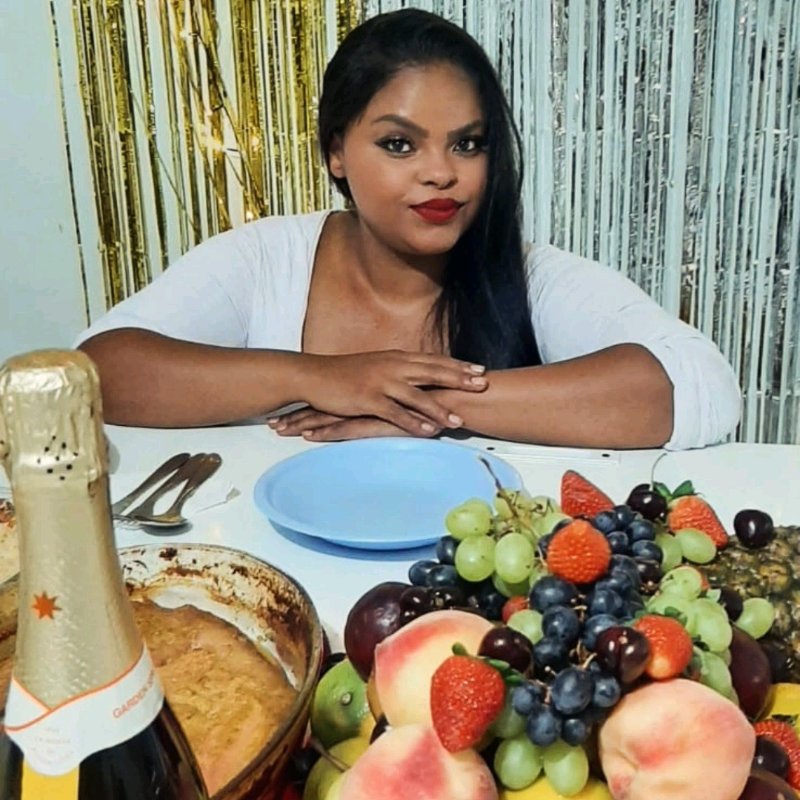
Brazilian mini weddings increasingly feature elaborate dessert tables rather than or in addition to a single cake: a spread of brigadeiros in assorted flavors (classic, pistachio, passion fruit, caipirinha), mini cheesecakes, macarons, fruit tarts, churros with dipping sauces, and seasonal fresh fruit. These tables are as much visual installations as food—the chef and the wedding decorator often collaborate on the layout.
Late-night snack stations are a growing trend in Brazilian weddings, particularly for celebrations that run past midnight. A churros station set up at 11pm, a build-your-own açaí bowl bar, or a mac-and-cheese station with Brazilian toppings provides a second wind to the celebration and gives guests the comfort food their dancing bodies are craving at that hour.
Budget and Planning Timeline for a Wedding Chef in Brazil
Wedding chef costs in Brazil vary significantly with guest count, menu complexity, location, and the inclusion of service staff. For a mini wedding of twenty to thirty guests with a full tasting menu and cocktail reception, expect to budget R$5,000–R$12,000 for the chef's service, including ingredients. For forty to sixty guests with a buffet format and service staff, R$10,000–R$25,000 is the typical range.
These figures are meaningfully lower than traditional catering companies in the same cities, particularly for smaller guest counts where catering's per-person minimums become punitive. On a per-person basis, a personal chef wedding often delivers better food at equal or lower cost than a catering company for groups under sixty guests.
Booking lead time is critical for wedding chefs. The best personal chefs in São Paulo and Rio de Janeiro book up six to twelve months in advance for peak wedding dates (March–April and October–November are Brazil's most popular wedding months, along with the December festive season). Contact your chef at least six months before a peak-season wedding; off-peak dates require at least three to four months.
✓Book six to twelve months ahead
Top wedding chefs fill quickly, especially for March–April and October–November dates.
✓Schedule a tasting two to three weeks before
Confirm dishes, adjust seasoning and portions, and finalize the menu in the context of a real meal.
✓Coordinate with the venue
Confirm kitchen access, refrigeration capacity, and serving area layout with the venue before the chef visit.
✓Provide final guest count seven days out
Chefs need final numbers to purchase the correct quantity of ingredients—last-minute changes add cost.
✓Brief the chef on all dietary restrictions
Compile dietary information from all RSVPs and share with the chef at least ten days before the wedding.