What a Weekly Meal Prep Session Actually Looks Like
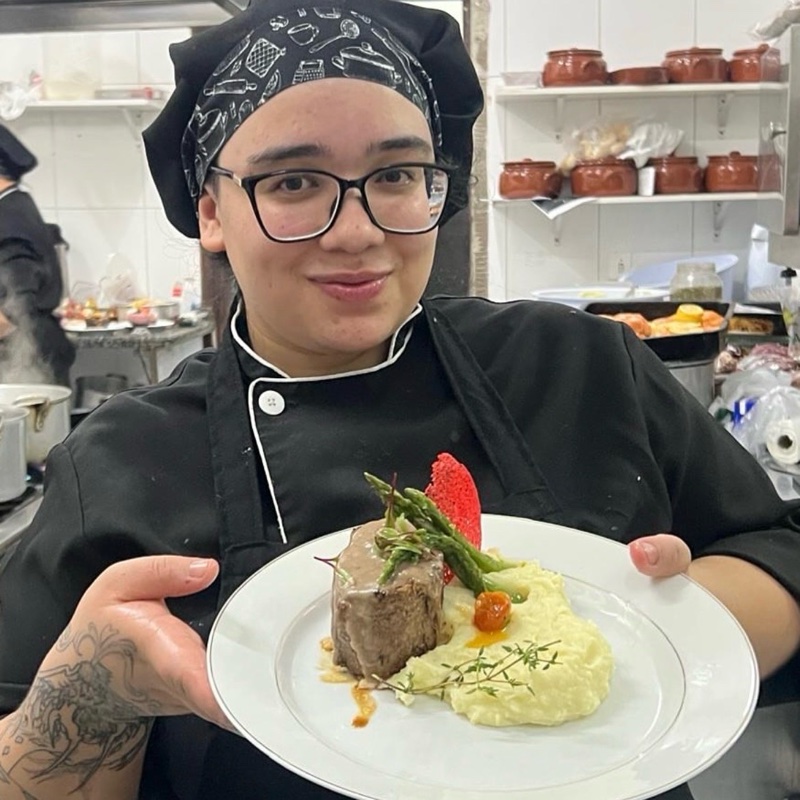
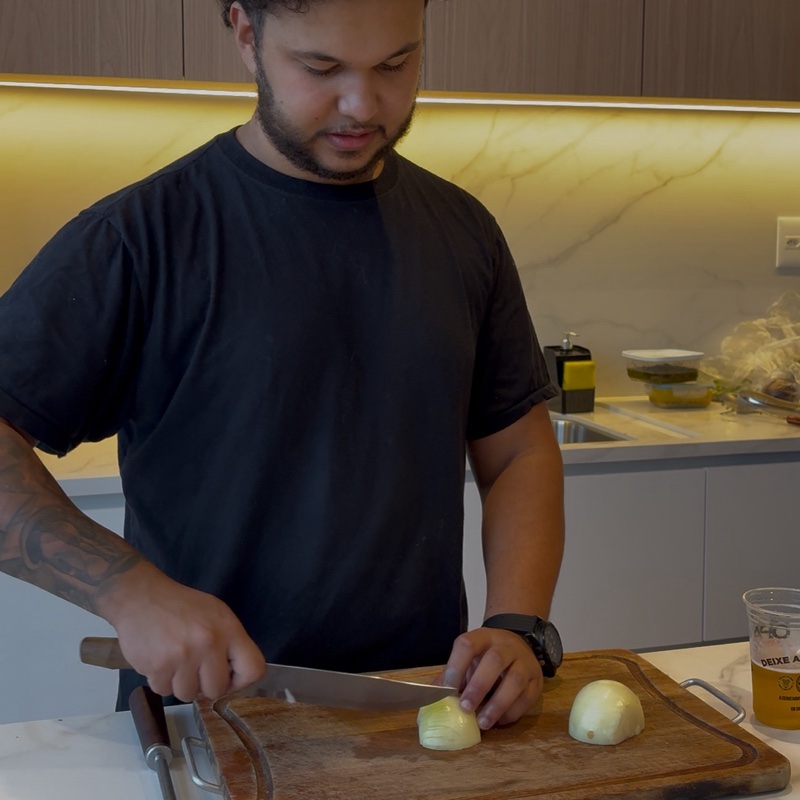
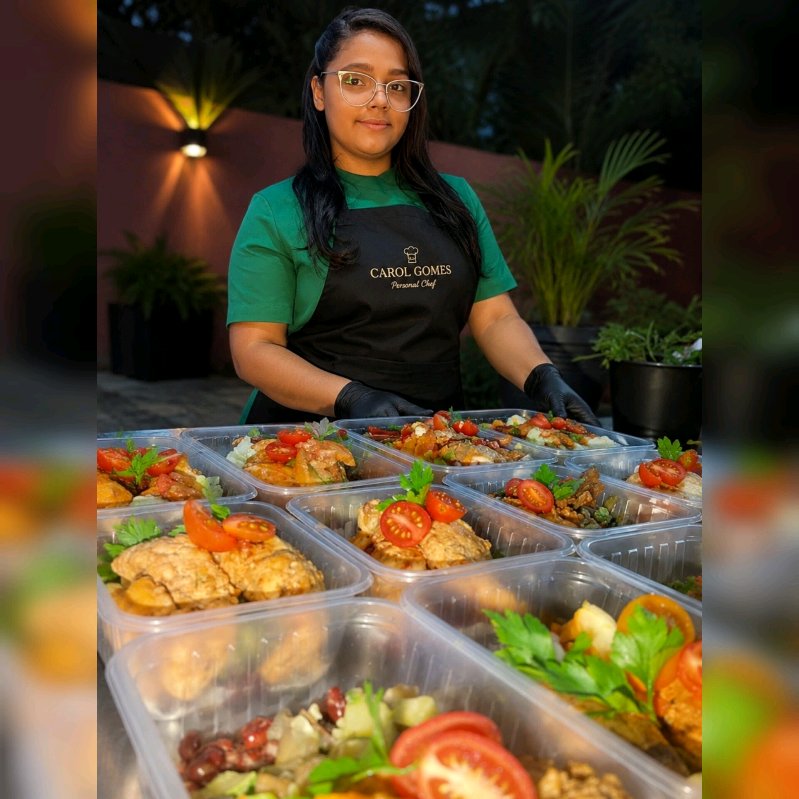
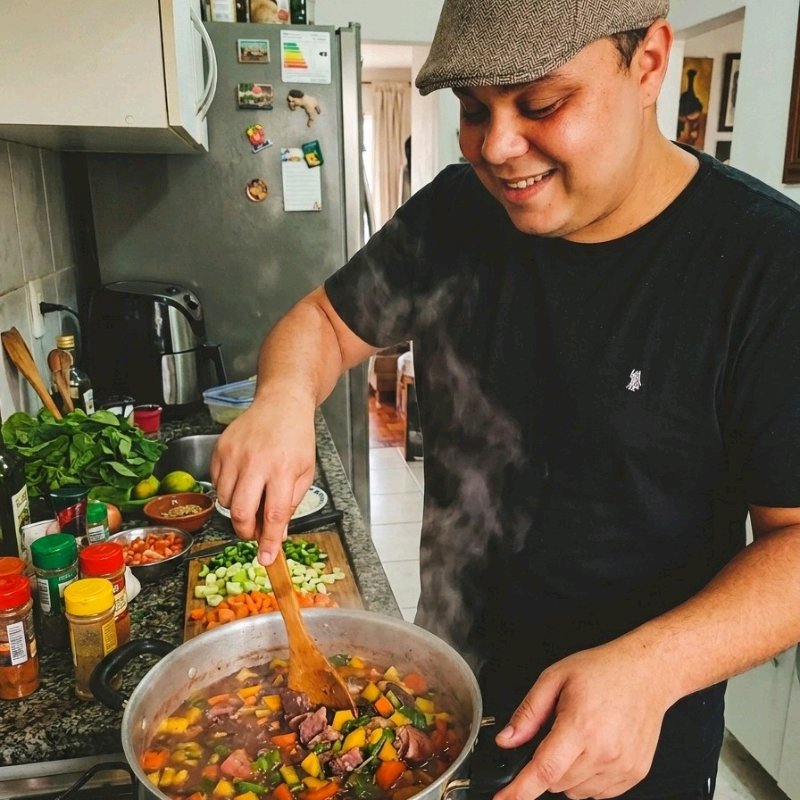
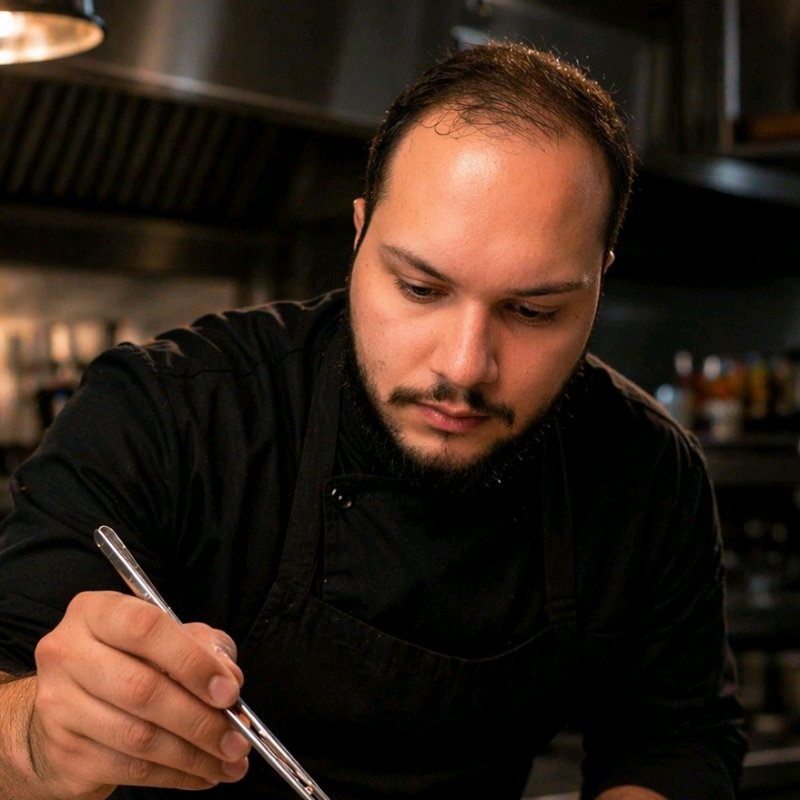
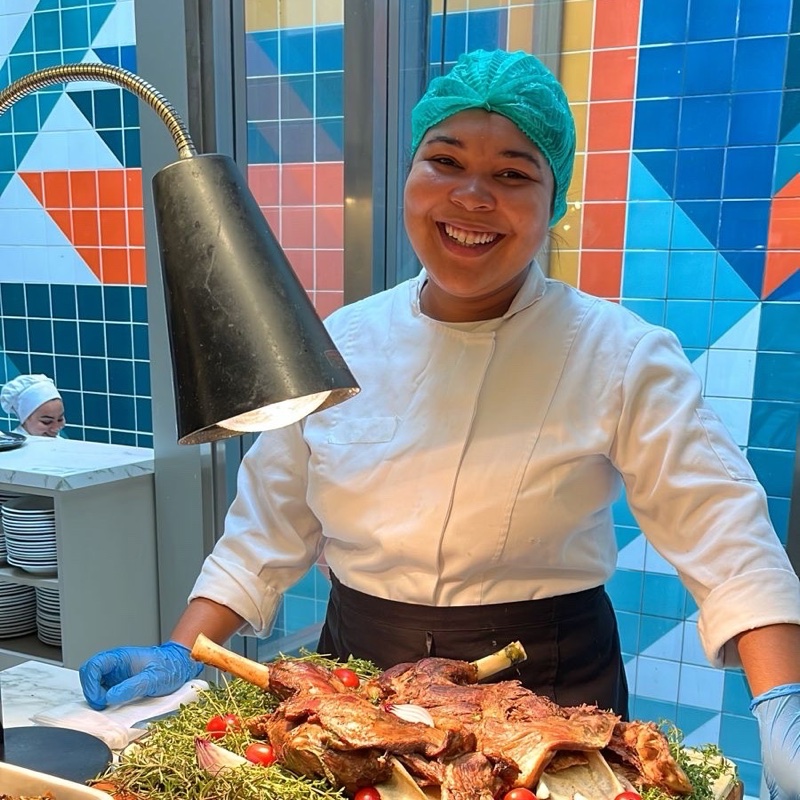
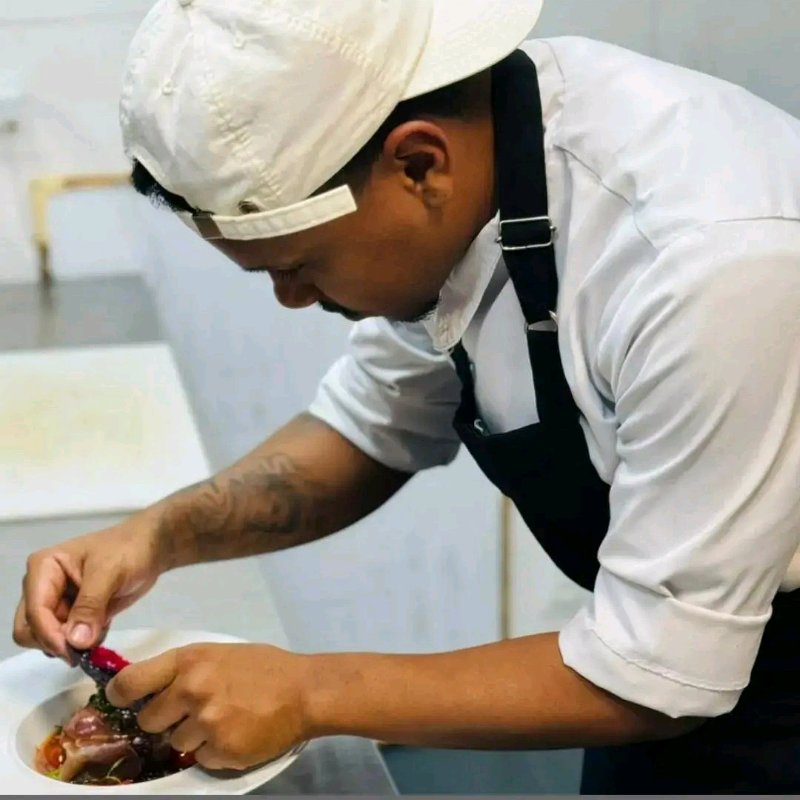
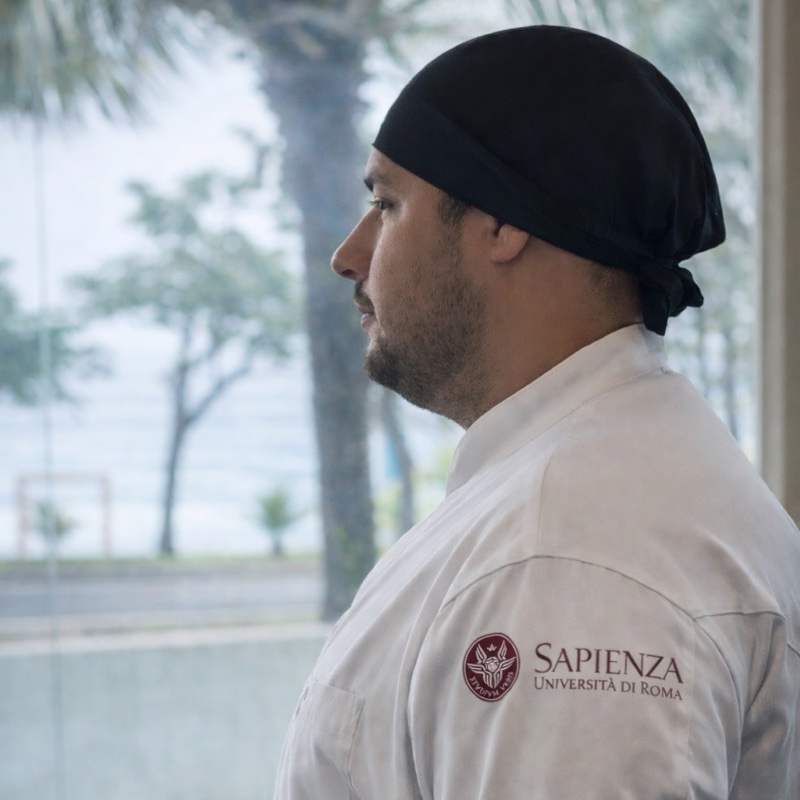
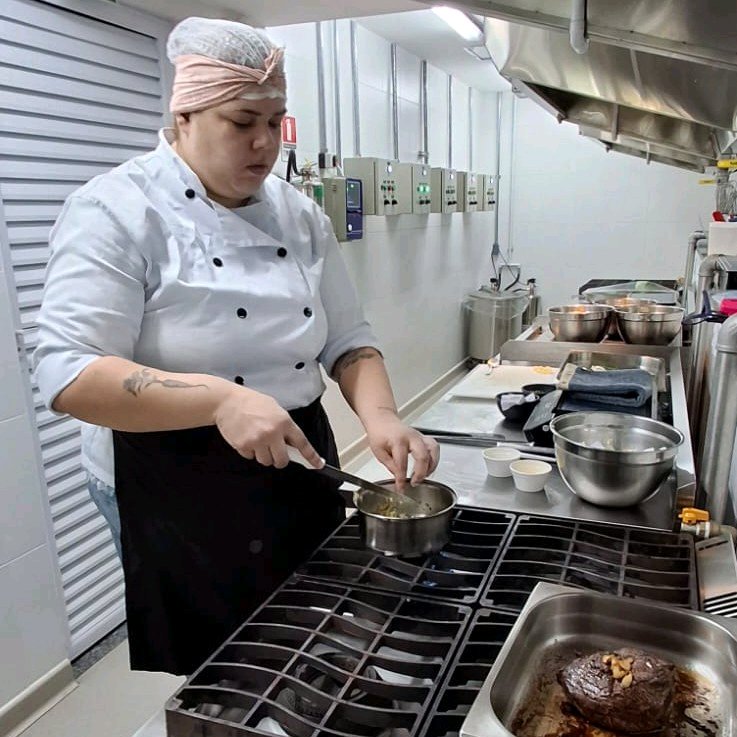
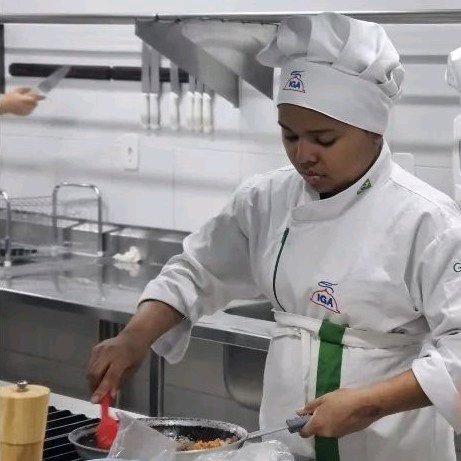
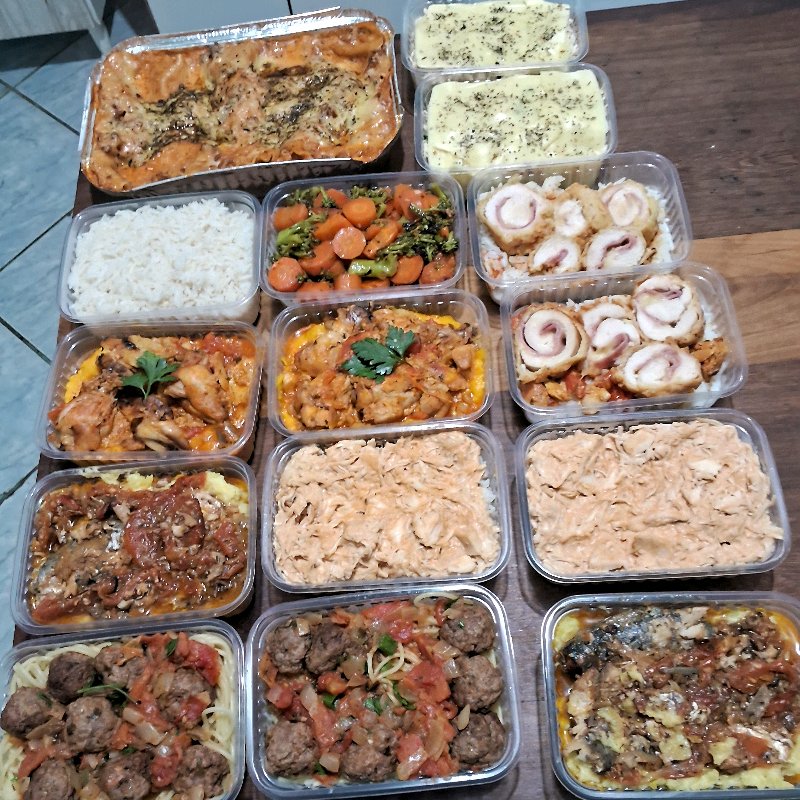
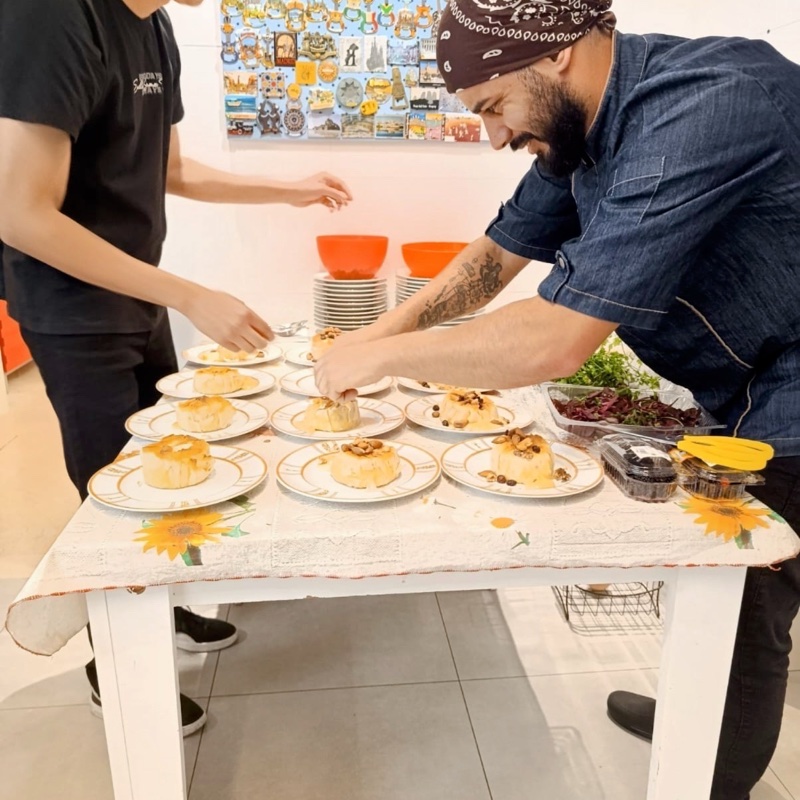
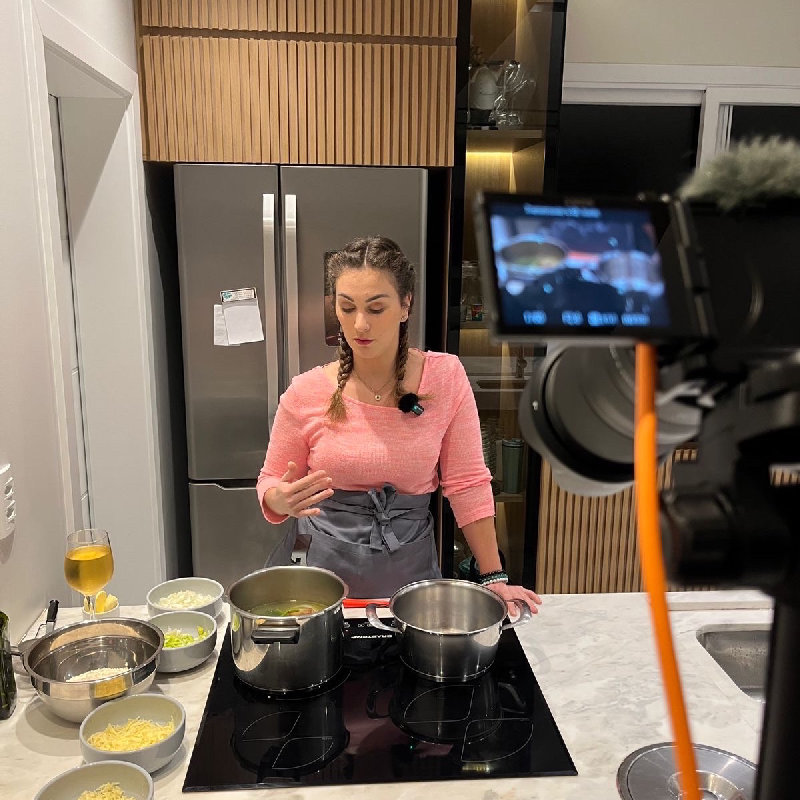
A typical meal prep session lasts three to five hours. The chef arrives with all the ingredients—sourced according to your pre-approved menu plan—and works through a carefully sequenced cooking schedule that maximizes use of every burner, oven rack, and prep surface simultaneously. By the time they leave, your refrigerator contains five to seven days of meals, each portion in labeled containers specifying contents, calories (if relevant), and reheating instructions.
The first session is the longest because it establishes the system: you discuss your preferences, portion sizes, dietary goals, storage preferences, and which meals need to be grab-and-go versus which can be reheated properly. From the second session onward, the chef knows your kitchen, your storage containers, and your tastes—sessions become faster and menus more precisely calibrated.
The variety challenge is real and worth acknowledging. Eating meal prep Monday through Friday means five instances of similar food. Good chefs solve this through protein rotation (chicken Monday, fish Tuesday, beef Wednesday, plant-based Thursday, eggs or legumes Friday), sauce variation (the same grilled chicken tastes entirely different with a pesto, a chimichurri, a Thai peanut sauce, or a Brazilian tucupi reduction), and texture contrasts in every container—never just protein and carb, always something crunchy, fresh, or bright.
Pro Tip
Ask your chef for a 'wildcard' dish each week—one portion of something you've never tried before, outside your usual rotation. This prevents the sameness that most meal prep clients start to feel after a month and introduces variety at zero extra planning cost to you.
Weekly Meal Prep Menu Ideas by Goal
For weight management, the most effective meal prep menus prioritize protein and fiber while controlling total calorie density per container. A well-designed week might look like: grilled tilápia with cauliflower rice and roasted cherry tomatoes; chicken breast in herb crust with quinoa tabbouleh and cucumber; beef stir-fry with broccoli and brown rice; lentil dal with sautéed spinach and whole wheat naan; and baked salmon with asparagus and sweet potato mash. Each of these delivers 400–550 kcal with 30–40g of protein—satisfying without excess.
For muscle building and athletic performance, the same framework applies but with meaningfully larger portion sizes and higher carbohydrate allocation. Athletes in São Paulo's Vila Mariana and Pinheiros neighborhoods—home to many CrossFit boxes and running groups—frequently work with chefs who understand macros and can build meals around specific training-week schedules, with higher carbohydrates on heavy training days and higher fat on rest days.
For balanced family eating—where one meal prep session needs to satisfy a professional couple and potentially a child—chefs design 'modular' meals where the base is shared (a roasted vegetable tray, a pot of grains, a protein) but can be assembled differently for adults and children. The child might get the chicken with white rice and the vegetables plain; the adults get the same chicken with a spiced grain salad and a herb-forward sauce.
✓Protein rotation plan
Vary the protein source each day—chicken, fish, beef, legumes, eggs—to prevent monotony and ensure nutritional breadth.
✓Sauce and seasoning variation
The same protein can taste entirely different across the week with different sauces—pesto, chimichurri, curry, tahini, Brazilian tucupi.
✓Texture contrast in every container
Include at least one crunchy element—toasted nuts, seeds, crispy chickpeas, raw vegetables—in every meal to prevent texture fatigue.
✓Fresh elements separated
Store herbs, fresh leaves, and acidic dressings separately so they don't wilt the meal by day three.
✓Clear reheating instructions
Ask the chef to label containers with reheating method and time—some dishes need oven reheating, others are better in a pan, some are eaten cold.
The Brazilian Kitchen Advantage in Meal Prep
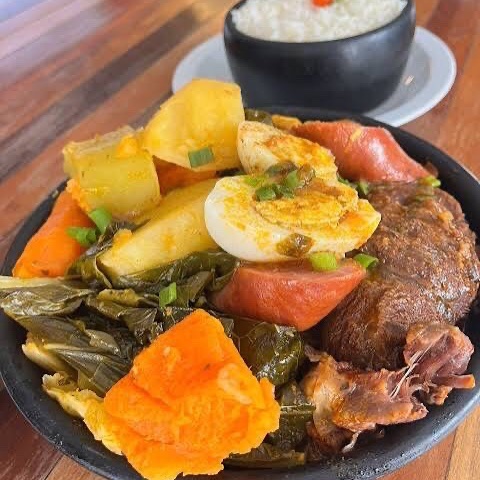
Brazilian cuisine is exceptionally well-suited to meal prep. Many of Brazil's best-known dishes are inherently designed to be cooked in large quantities and improve over time—feijoada deepens in flavor by day two, moqueca with coconut milk holds beautifully in the refrigerator for three days, and arroz com feijão (rice and beans), the cornerstone of the Brazilian daily meal, is arguably better the next day than when first cooked.
Brazilian pantry staples also add extraordinary flavor to meal prep dishes without complexity. Dendê oil adds depth and richness to vegetable dishes. Tucupi, the fermented cassava broth from the Amazon, creates completely distinctive sauces. Pequi from the Cerrado adds an irreplaceable floral-savory note to rice and chicken. A chef who knows how to deploy these ingredients can make meal prep feel like eating Brazilian regional food at its best—not like diet food.
The abundance of fresh produce in Brazilian markets—particularly in cities near growing regions like Campinas, Curitiba, and Belo Horizonte—means seasonal variety is built into weekly menus. A chef shopping at Ceasa or at a feira livre each week can adjust the vegetable components based on what's best and most affordable, keeping the menu varied without adding cost.
Pro Tip
Ask your chef to design at least one dish per week that uses a distinctly Brazilian ingredient you might not cook yourself—tucupi, pequi, baru nuts, or fresh açaí from a market source rather than frozen. These ingredients add genuine character that no delivery app can replicate.
Dietary-Specific Meal Prep: Common Requests and How Chefs Handle Them
Gluten-free meal prep is one of the most requested dietary specifications in Brazil, and Brazilian cuisine is inherently well-positioned to deliver it. Rice, beans, cassava (in all its forms—farinha, tapioca, tucupi), corn, and a vast array of tropical grains are naturally gluten-free. A chef designing gluten-free meal prep needs to focus primarily on cross-contamination prevention and on avoiding hidden gluten in sauces and seasonings rather than substituting staple ingredients.
Low-sodium meal prep—increasingly requested by clients managing hypertension or cardiovascular conditions—requires a chef who understands how to build flavor without salt. This means more acid (citrus, vinegar), more umami (fermented ingredients, roasted aromatics, dried mushrooms), more heat (fresh pimentas), and more herbaceous freshness than a standard meal prep menu. Done well, low-sodium meal prep is not restrictive—it's intensely flavorful through other means.
Vegan meal prep is a significant and growing request in São Paulo and Rio de Janeiro particularly. Brazilian plant-based ingredients—açaí, heart of palm, cassava, jackfruit (jaca verde), fresh tropical fruits, and dozens of varieties of feijão—create extraordinary variety without any need for processed substitutes. A skilled vegan chef can design a week of meal prep that is more varied and interesting than most omnivorous meal prep menus.
Storage, Containers, and Shelf Life
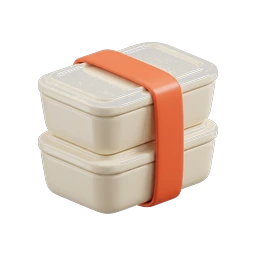
Professional meal prep chefs work with your existing containers or bring their own. Glass containers with silicone-seal lids are the gold standard—they don't absorb odors, can go from fridge to oven or microwave without transfer, and last indefinitely. Plastic containers are lighter and fine for meals that won't be oven-reheated. Confirm container preferences during the first booking.
Shelf life varies significantly by dish. Properly stored cooked proteins and cooked grains last four to five days in the refrigerator safely. Dishes with dairy sauces (creamy pastas, stroganoff) are best consumed within three days. Dishes with fresh herbs or acidic dressings should have those elements stored separately and added at the last moment. Your chef should label each container with the preparation date and recommended consumption window.
Freezer portions are a smart addition for meal prep clients who travel or have unpredictable schedules. Ask the chef to prepare two to three freezer-ready portions in addition to the regular weekly batch—soups, stews, bean dishes, and grain-based meals freeze well and mean you always have a quality meal available even after an unexpected business trip.
✓Glass containers with silicone lids
Oven-safe, odor-free, and indefinitely reusable—the best investment for ongoing meal prep.
✓Date and consumption window labels
Each container should show when it was made and the recommended eat-by window.
✓Separate containers for dressings and fresh herbs
Prevents wilting and keeps salads and grain bowls fresh for the full week.
✓Freezer portions for unpredictable schedules
Two to three freezer-ready portions ensure you always have a quality meal even if the week goes sideways.
✓Reheating method labeling
Oven, pan, or microwave—and at what temperature—prevents ruined meals from guesswork reheating.
Cost of Weekly Meal Prep with a Personal Chef in Brazil
In Brazil's major cities, a weekly meal prep session covering five days of lunches and dinners for one person typically costs R$400–R$900 per session, including the chef's labor and ingredients. For a couple, the same session covering meals for two runs R$550–R$1,100. These figures vary with menu complexity, ingredient choices (organic produce, premium proteins), and city—São Paulo and Rio de Janeiro command higher rates than other cities.
On a per-meal basis, this works out to R$40–R$90 per meal for one person—competitive with quality restaurant delivery and significantly better than most iFood or Rappi orders in terms of nutritional quality and ingredient traceability. For clients who were previously spending R$80–R$150 per delivery order once or twice a day, the math of meal prep often favors the chef.
Twice-weekly sessions are a middle-ground option for clients who want maximum freshness without the cost of full weekly coverage. One session on Sunday covers Monday through Wednesday; a shorter midweek session on Wednesday covers Thursday and Friday. The chef's labor cost per session is lower for the midweek session since it covers fewer meals.