Factor 1: Menu Complexity and Number of Courses
A three-course dinner — amuse-bouche, main, dessert — requires significantly less preparation time and skill than a seven-course tasting menu with inter-course palate cleansers and tableside finishing. Each additional course adds to the planning, shopping, prep, and plating load the chef carries.
Techniques also drive cost. A simple grilled fish with seasonal vegetables takes far less kitchen time than a beef Wellington with housemade puff pastry, or a classic French soufflé that demands precise timing and cannot be prepared in advance. Dishes that require specialized equipment — a sous-vide circulator, a pacojet for ice cream, a smoking gun — may be passed through in the quote.
The sweet spot for most occasions is four to five courses: enough to feel like a full dining experience without pushing labor costs into territory reserved for restaurant-caliber tasting menus.
Pro Tip
Ask the chef to suggest a simplified version of a dish you love. Skilled chefs can often deliver 90% of the wow factor at 60% of the complexity — and pass the savings directly to you.
Factor 2: Ingredient Cost and Sourcing
Ingredients are typically billed at cost plus a small administration fee of 10–15%. But ingredient cost itself varies enormously. A menu built around seasonal, locally sourced produce — heirloom tomatoes from the Mercado Municipal in São Paulo, fresh fish from the docks in Santos or Florianópolis — costs a fraction of one built around imported truffles, Iberian ham, or Hokkaido scallops.
Premium proteins are the biggest ingredient cost driver. A high-quality picanha or a fresh mero (grouper) from the coast is expensive but accessible. A special-order A5 wagyu or a live lobster from a specialty importer is a different category entirely — and will appear clearly in your itemized quote.
Chefs who shop at municipal markets and farm-direct suppliers rather than upscale supermarkets typically deliver better quality at lower ingredient costs. It's worth asking where your chef sources their proteins and produce.
✓Request an ingredient estimate
Ask the chef to include a projected ingredient budget in the quote so you can evaluate cost before committing.
✓Opt for seasonal produce
Seasonal ingredients are fresher, more flavorful, and significantly cheaper than out-of-season alternatives.
✓Choose local proteins
Brazilian fish, beef, and pork from domestic producers offer exceptional quality at prices well below imported equivalents.
✓Ask about market-driven menus
Letting the chef decide the menu around what's best at market that week often produces the best results at the lowest ingredient cost.
Factor 3: Group Size
The chef's service fee is generally a fixed cost that doesn't scale linearly with guest count. More guests mean more ingredient spend, but the planning, travel, and base labor don't multiply at the same rate. This is why the per-person price of a personal chef dinner drops significantly as your group grows.
A dinner for two might cost R$600–R$900 per person all-in. The same chef, the same menu caliber, for a table of eight could cost R$280–R$450 per person — because R$800 in chef labor is now split across eight plates instead of two.
Groups of four to eight represent the personal chef's pricing sweet spot: enough people to distribute the fixed cost, small enough that the chef can give every plate genuine individual attention. For groups above twelve, some chefs bring a kitchen assistant, which adds a second labor cost to the quote.
Factor 4: Chef Experience and Specialization
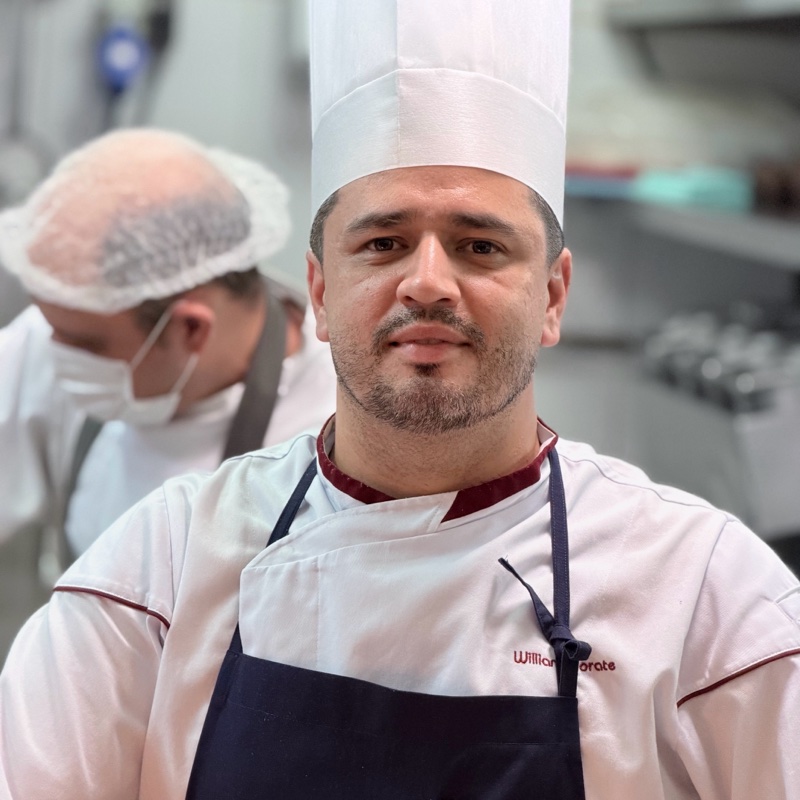
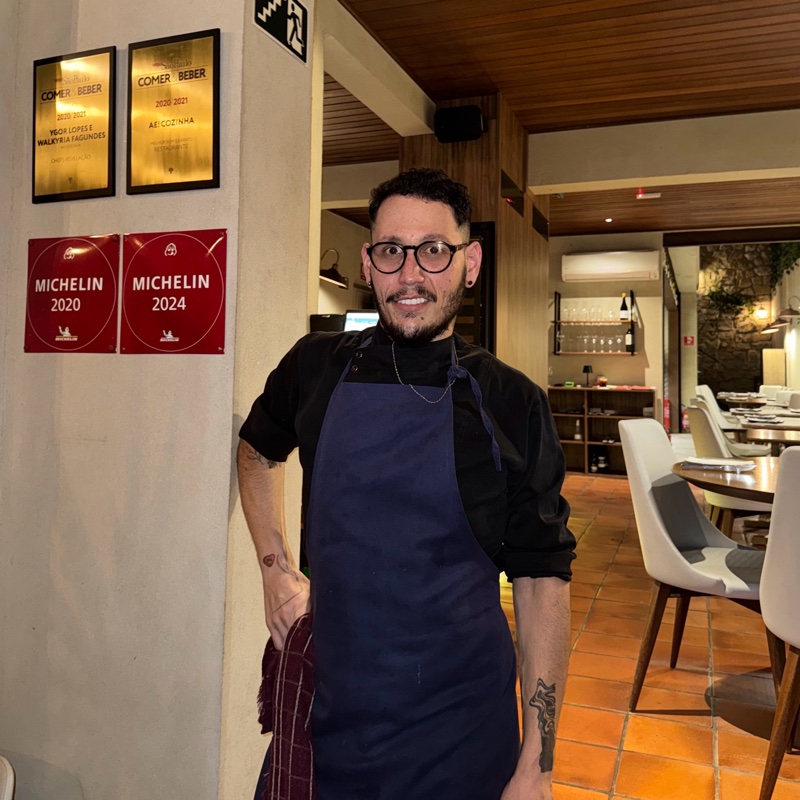
A chef who graduated from a gastronomy program, staged in Michelin-starred kitchens, or spent years in high-end restaurant brigades in São Paulo or abroad will command significantly higher rates than a talented chef early in their career. This premium is real and often worth it for technically demanding menus or high-stakes occasions.
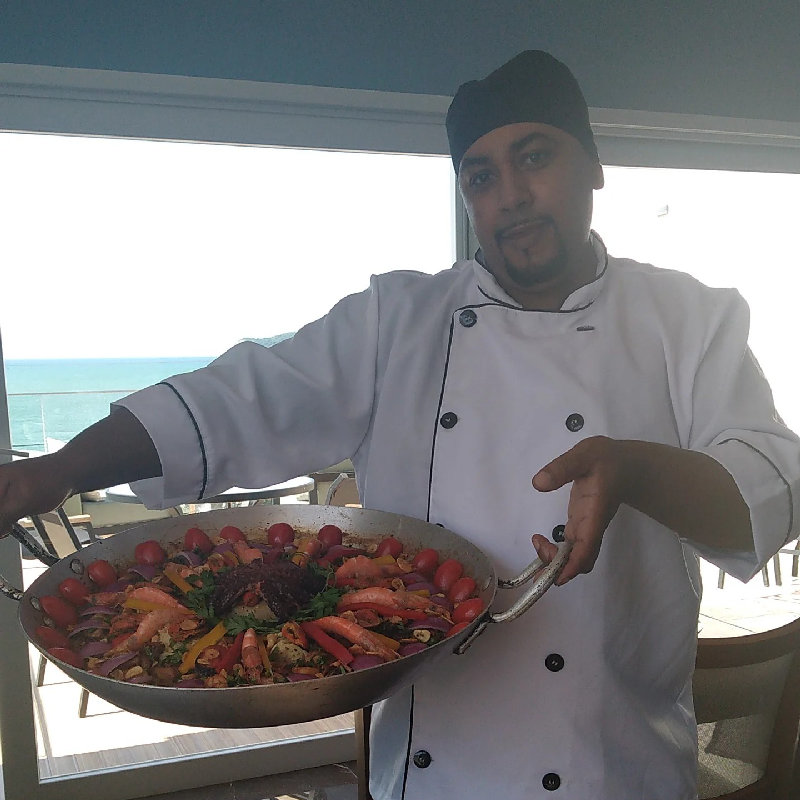
Specialization also carries a premium. A chef who is one of the few experts in Japan-trained sushi technique, or a specialist in Bahian cuisine who can genuinely replicate a moqueca de camarão the way it's made in Salvador, occupies a niche that prices accordingly.
For everyday or mid-complexity occasions, a skilled mid-career chef often delivers results indistinguishable from a senior specialist — at a meaningfully lower rate. The key is matching chef seniority to the actual demands of your menu.
Pro Tip
Browse chef profiles on myChef and read reviews specifically from events similar to yours. A chef praised repeatedly for intimate dinners of four to six is likely a better fit — and better value — for your dinner party than a banquet-focused specialist.
Factor 5: Day, Time, and Duration
Weekend evenings, holidays, and the December-January festive season are peak demand periods for personal chefs in Brazil. Most chefs apply a weekend or holiday surcharge of R$100–R$300. Booking on a weekday or a Sunday lunch can deliver the same experience at a lower rate.
Duration matters too. A standard dinner service of three to four hours is included in most base quotes. Extended events — a full-day meal-prep session, a brunch-into-lunch-into-dinner marathon, or a cooking class that runs five hours — add labor time that will appear in the quote.
Last-minute bookings (under 24–48 hours' notice) may also carry a premium, both because the chef has less planning time and because they may need to reschedule other commitments to accommodate you.
Factor 6: Location and Travel
Chefs based in the same neighborhood as your home will usually absorb travel in their base rate. Chefs who need to travel across a large city like São Paulo or Brasília — a 40-minute ride from Moema to Alphaville, for example — typically add a travel fee of R$30–R$80 to cover time and transport.
Events in beach houses, chalets, or vacation properties outside the city are almost always subject to a travel fee that reflects the actual distance and time. For a weekend at a casa de temporada in Ilhabela or a chácara in Ibiúna, expect a travel discussion as part of the initial conversation.
Some platforms like myChef show chef location relative to your address, making it easy to find chefs whose base rate includes travel to you — a simple way to optimize without negotiating.
Factor 7: Additional Services and Equipment
A chef who also serves as a waiter — passing appetizers, clearing courses, refilling glasses — is providing a more complete service than one who only cooks. Some chefs include tableside service; others focus purely on kitchen output and expect you or a separate server to handle the dining room. Make sure you know which model you're hiring.
Rental of specialty equipment — a long folding table, upgraded tableware, a portable induction unit for a kitchen with limited hobs — can add R$100–R$300 to the quote. Most professional chefs come fully equipped with their own knives, basic cookware, and plating tools; larger or unusual equipment may be extra.
Alcohol is almost never included in a chef's quote unless you've specifically requested a drinks pairing service. Bringing your own wine, cachaça, or beer is standard practice and eliminates a significant potential cost.