Before the Chef Arrives: What to Prepare
Your main job before the chef arrives is to make the kitchen easy to work in. Empty the dishwasher so there's somewhere clean things can go, clear the kitchen counter of clutter to give the chef prep space and make room in the refrigerator — a chef arriving with fresh ingredients needs somewhere to store them immediately. None of this takes more than 15 minutes.
Set the dining table if it isn't already done. The chef's focus will be entirely on the kitchen, so any table setting, candles, music or room arrangement is your domain. This is also a good time to check that you have clean dish towels available and a fresh bin bag in the kitchen bin.
If the chef is cooking for guests, let them know roughly when guests are expected to arrive so they can time the courses accordingly. The chef will be managing the kitchen timeline invisibly — your job is to give them the information they need to make the first course land at exactly the right moment.
✓Empty the dishwasher
Gives the chef somewhere to put clean items during and after cooking.
✓Clear kitchen counters
The chef needs prep space — even a 60cm clear area makes a meaningful difference.
✓Free up fridge space
Ingredients arrive fresh and need to go in immediately.
✓Have dish towels and bin bags ready
Small supplies the chef will use during cleanup.
✓Share your Wi-Fi password
Chefs often reference timings or recipes during cooking.
When the Chef Arrives
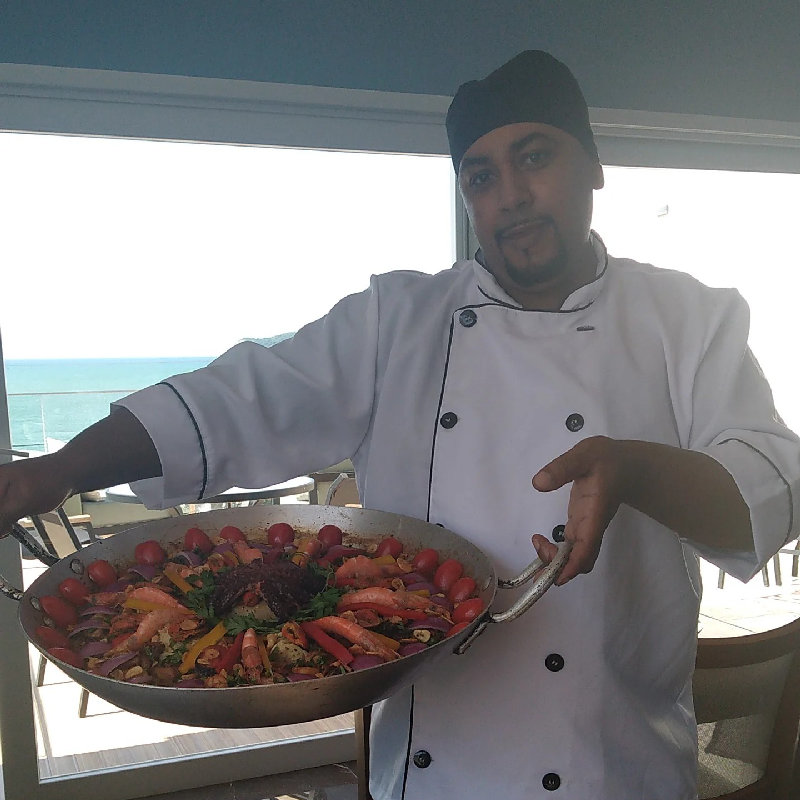
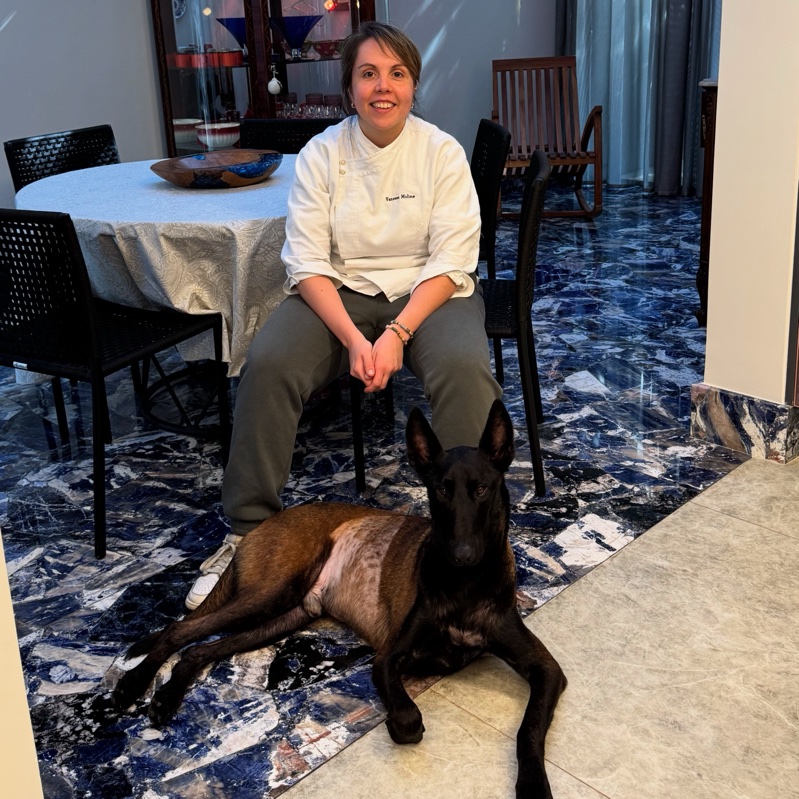
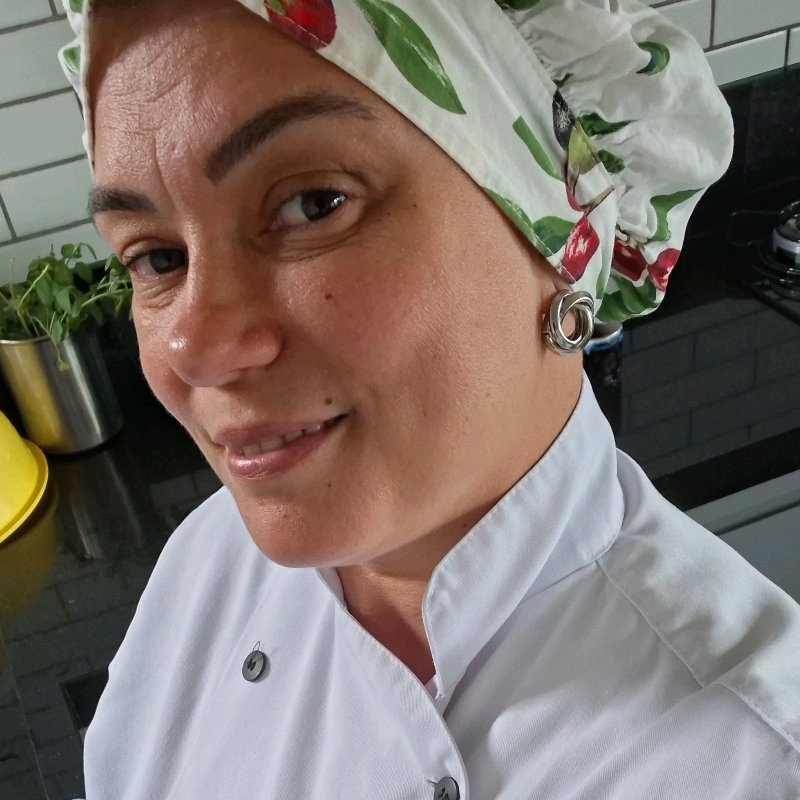
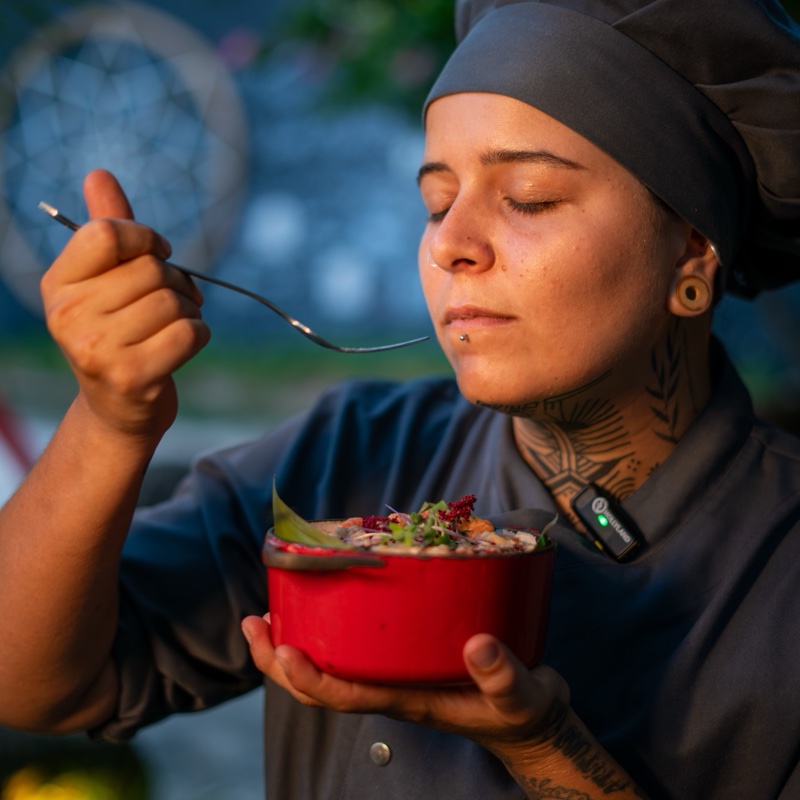
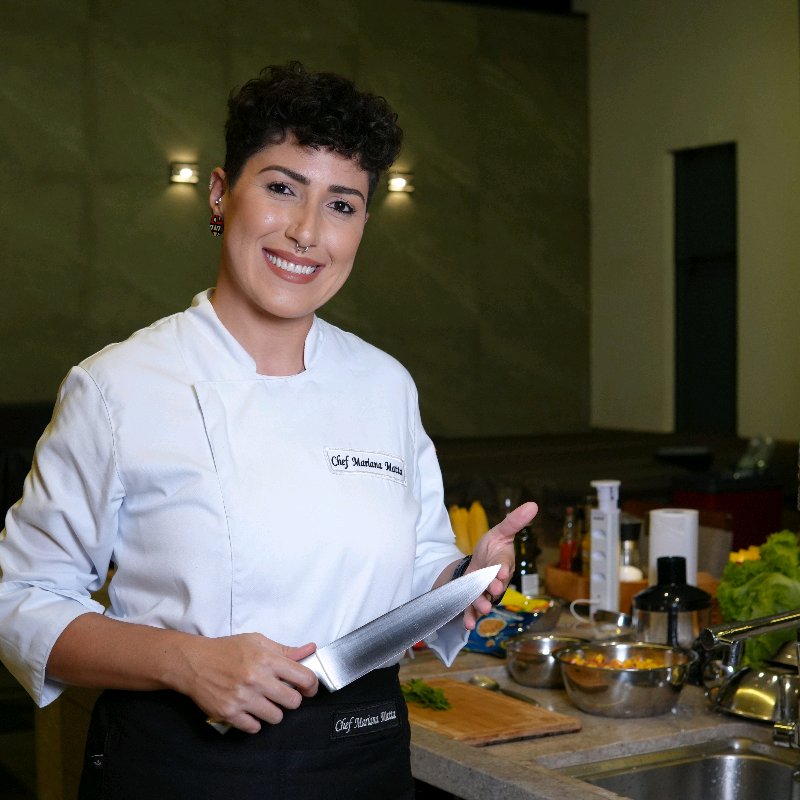
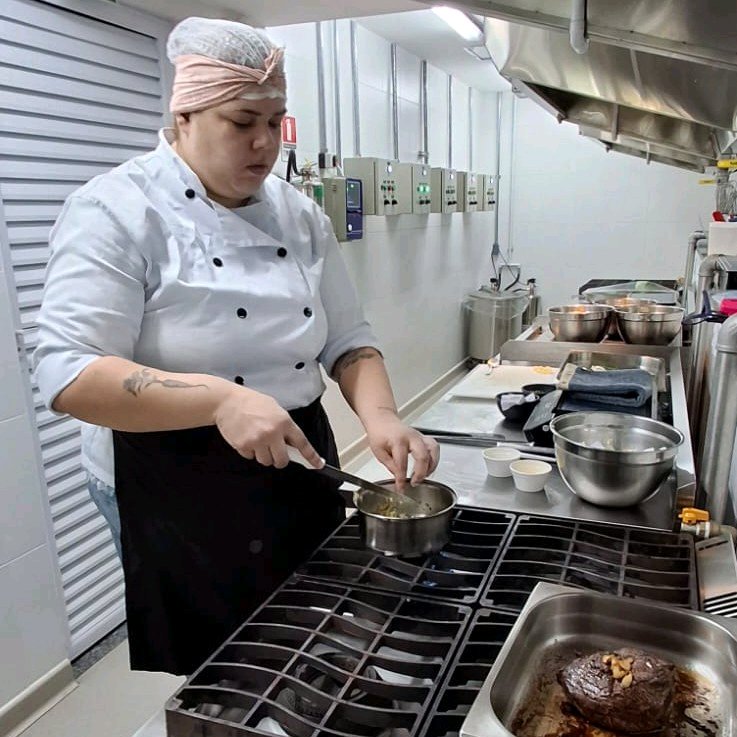
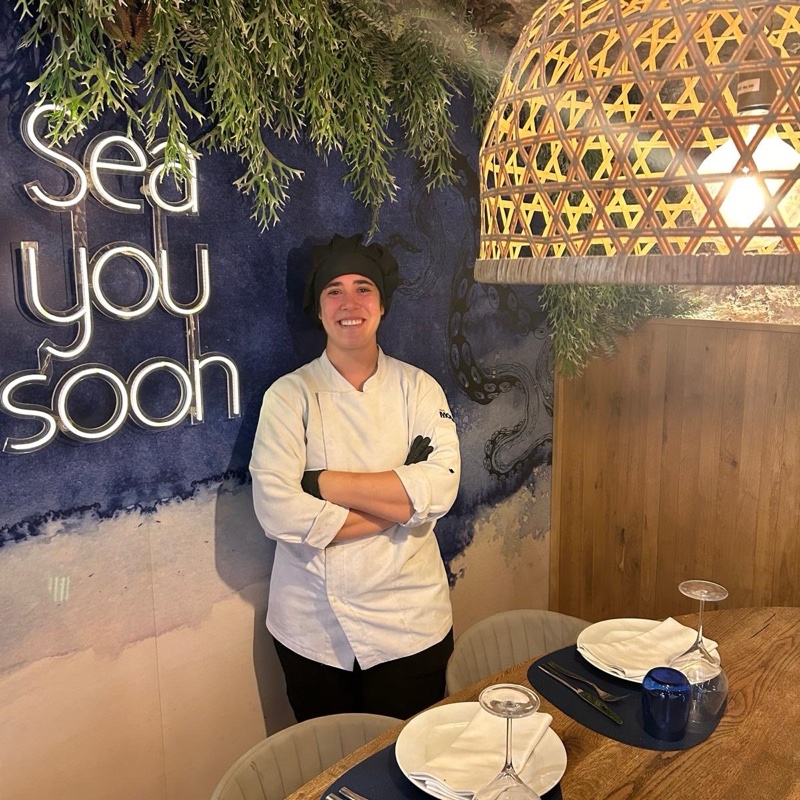
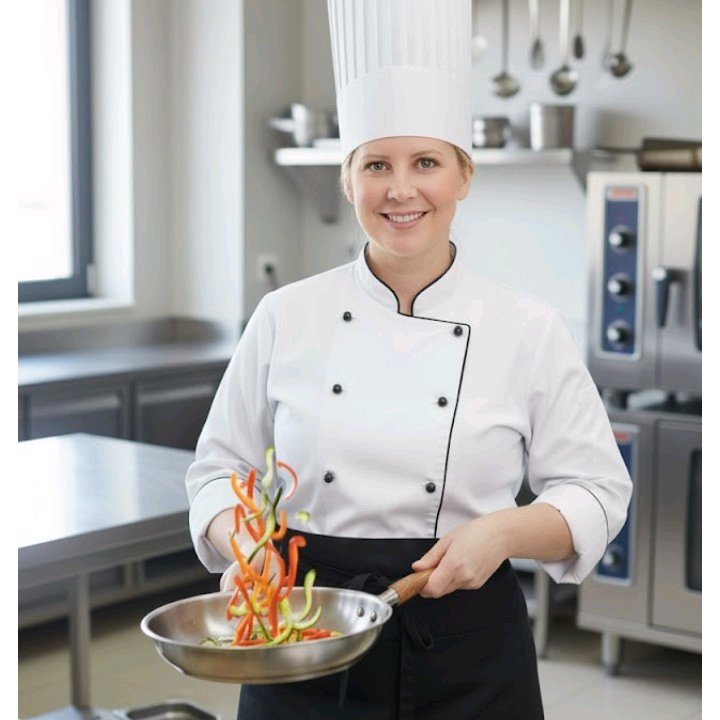
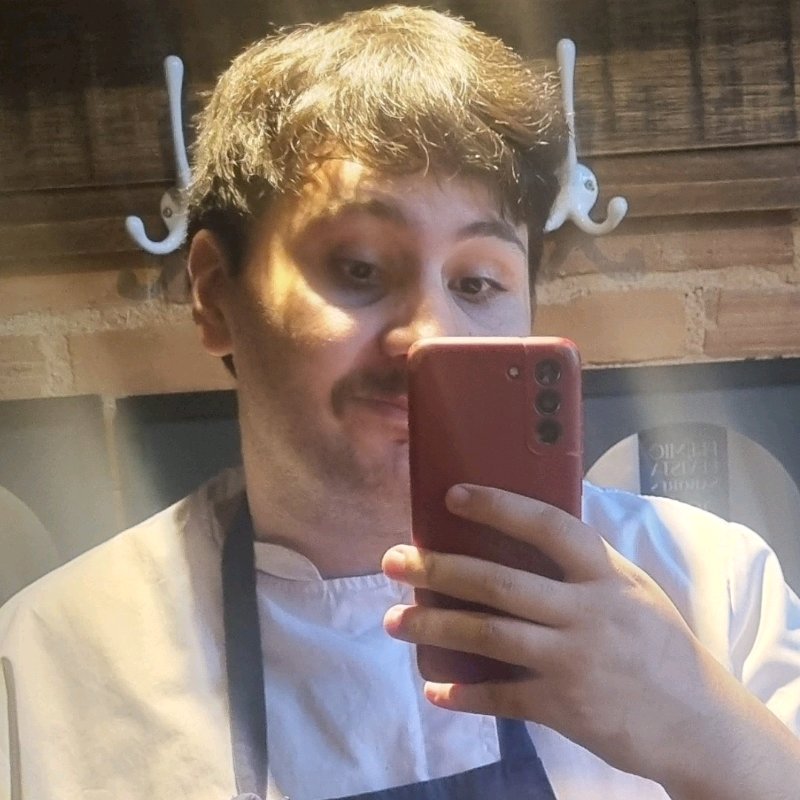
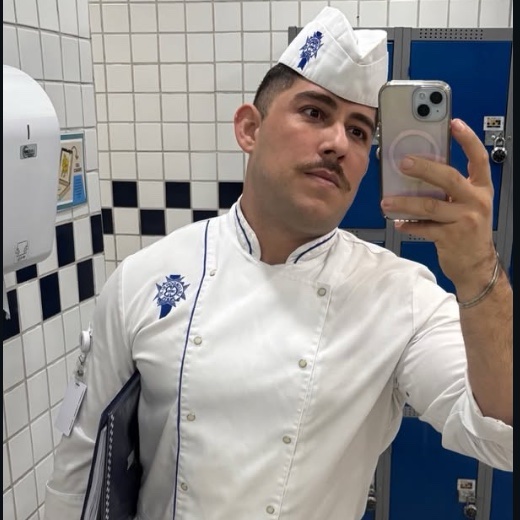
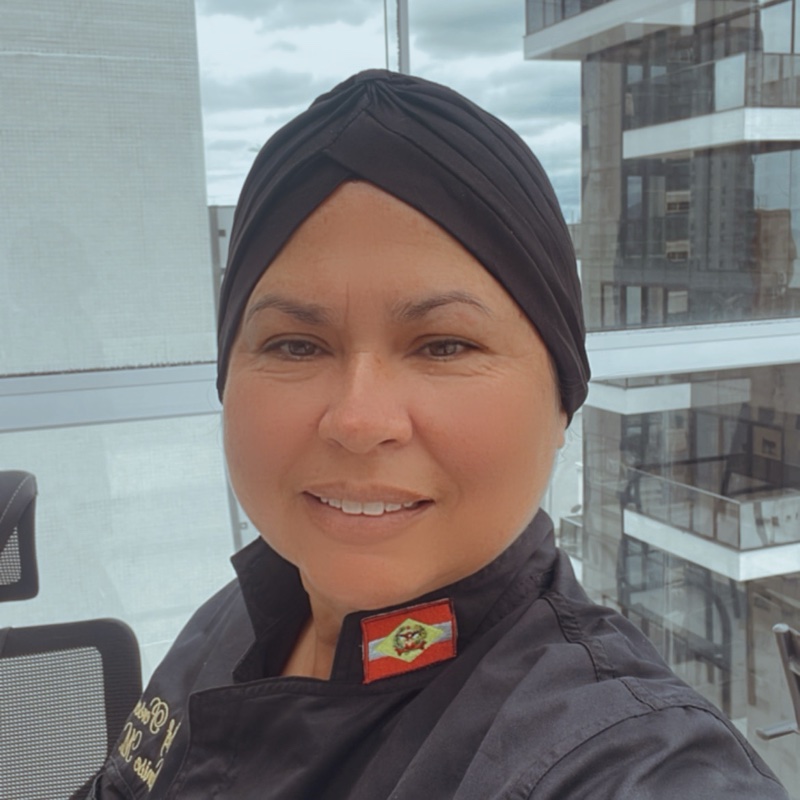
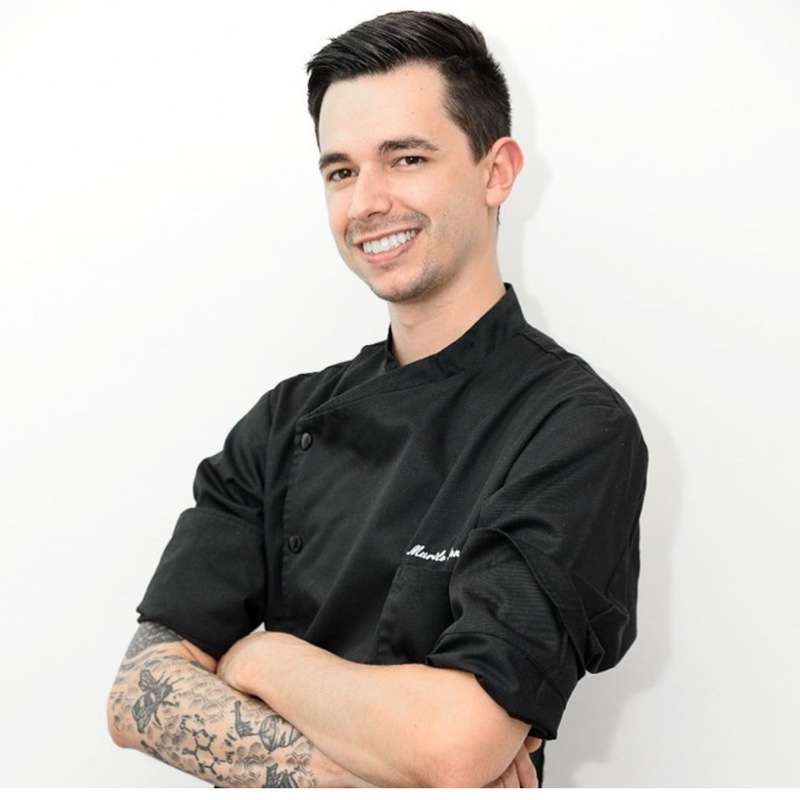
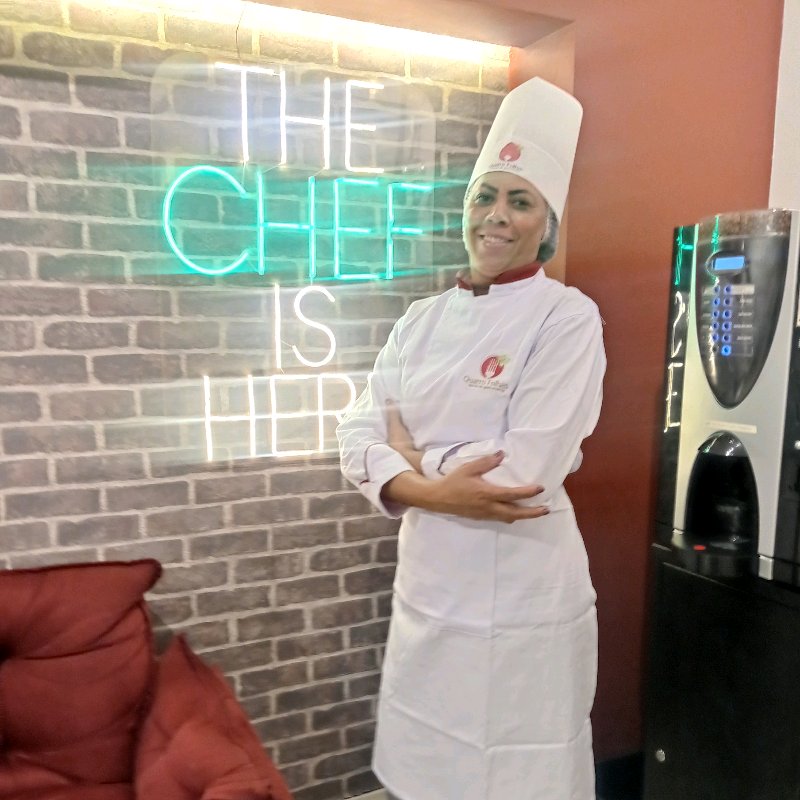
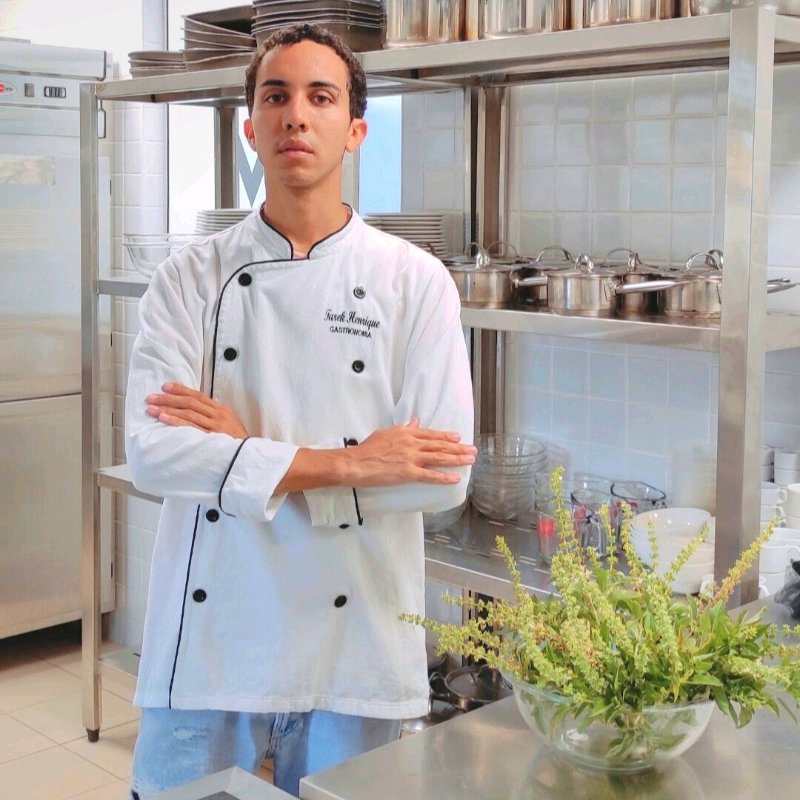
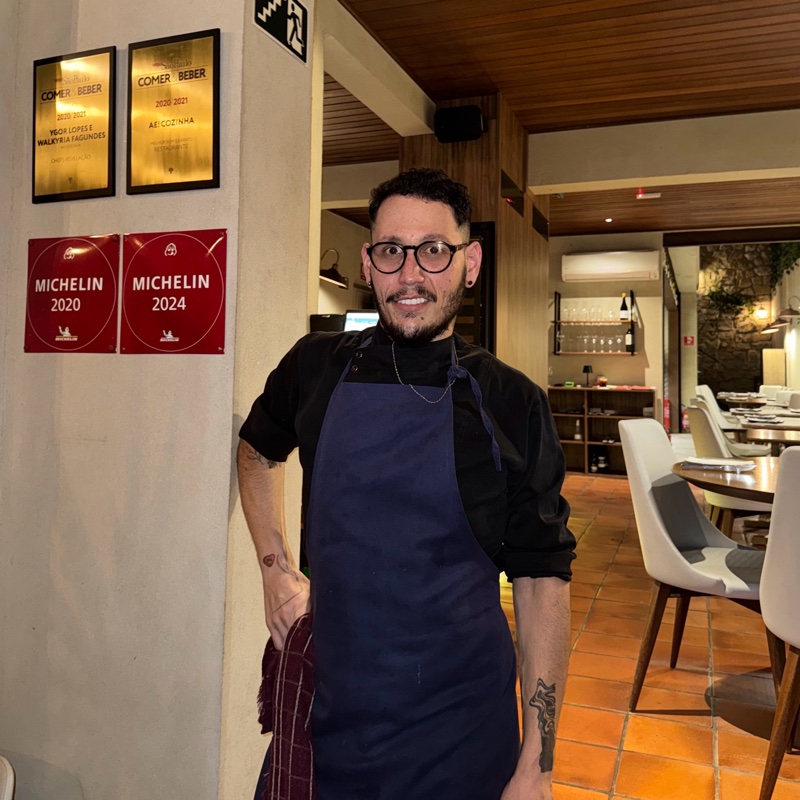
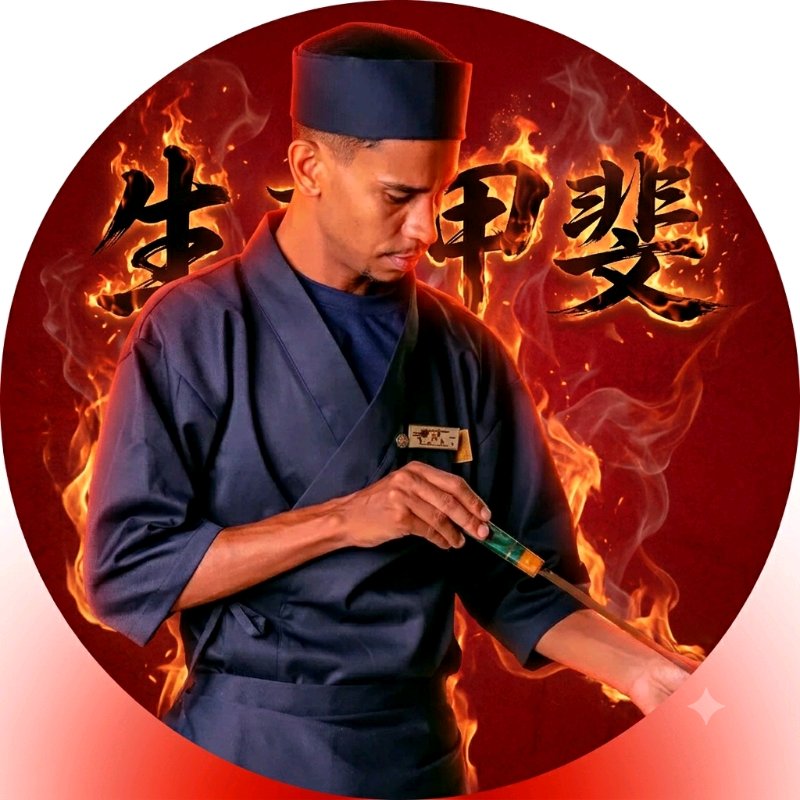
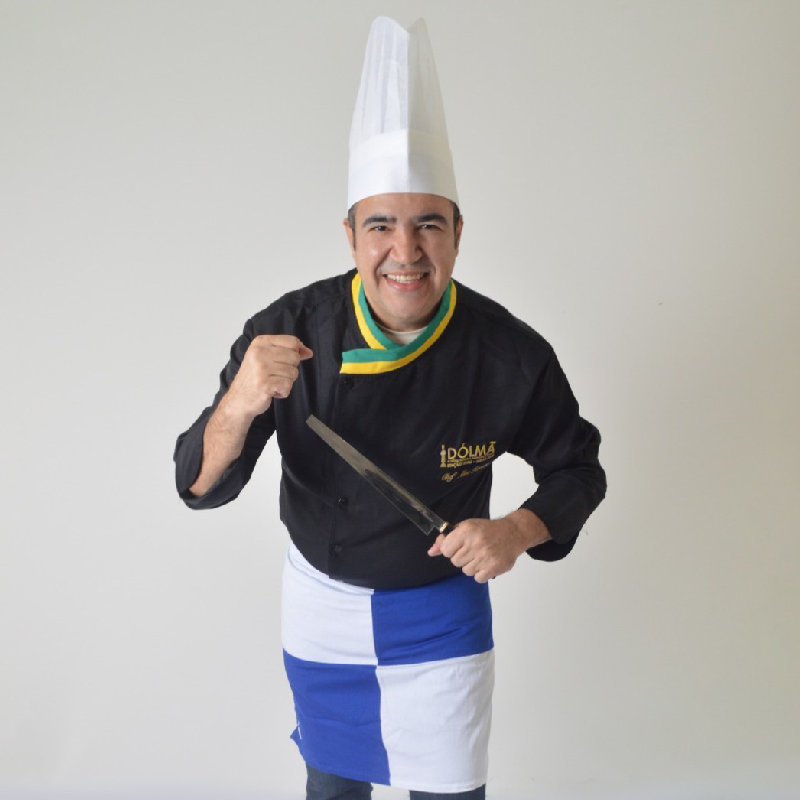
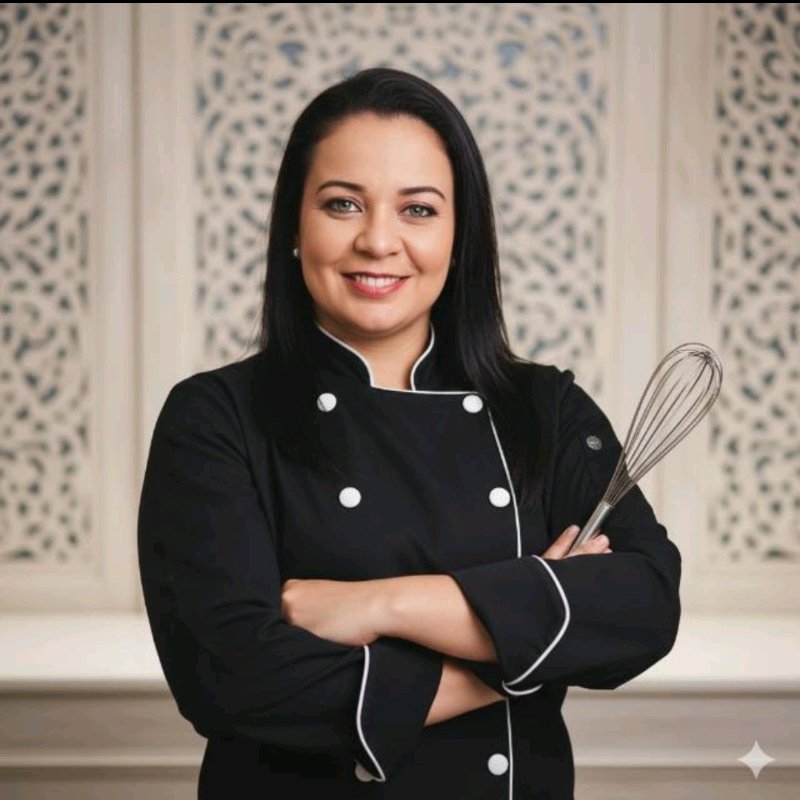
A personal chef typically arrives 1.5–3 hours before the meal, depending on the complexity of the menu. They'll arrive with their own professional knife roll, ingredients (usually packed in insulated bags or coolers) and any specialised equipment the menu requires. First impressions of a professional chef: calm, prepared and focused.
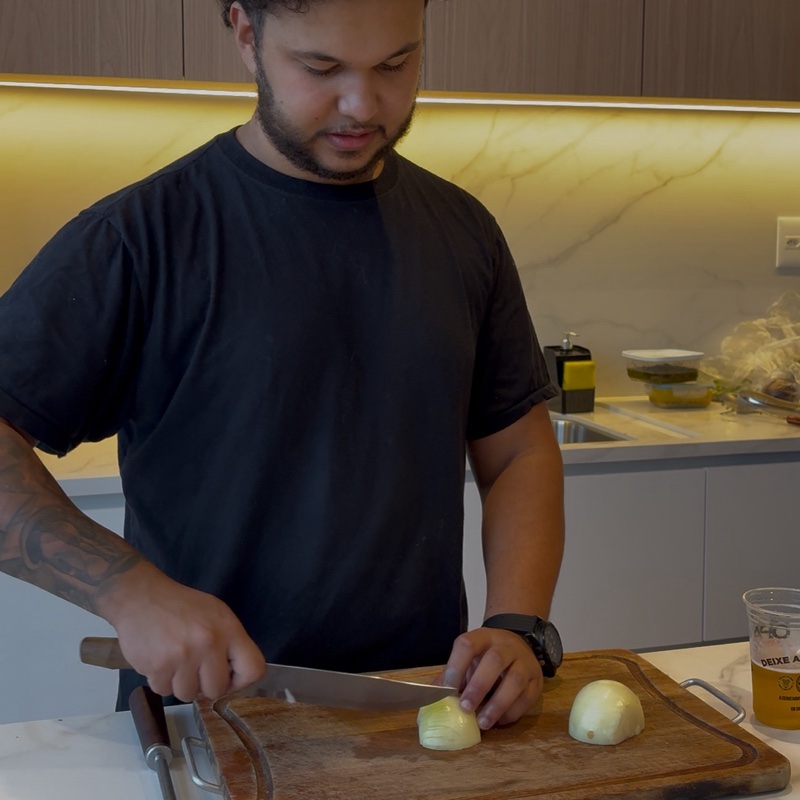
They will introduce themselves, do a quick tour of the kitchen to understand the layout, confirm where to put refuse and ask any final clarifying questions about timing or a specific guest's allergy. After that — typically within ten minutes of arriving — they'll begin their mise en place, the professional process of prepping every ingredient before cooking starts.
You don't need to hover or assist. The most relaxed and enjoyable version of this experience is when the host treats the chef's kitchen time as their own free time — get ready, chat with early-arriving guests, pour yourself a glass of wine. The chef will let you know if they need anything.
Pro Tip
If you'd like to watch the chef cook or learn about the dishes as they're being made, say so when they arrive. Many chefs enjoy narrating their process. Others prefer to focus silently — it depends entirely on the chef's personality, which you should have gleaned from your pre-booking conversations.
During the Cooking: What's Happening in the Kitchen
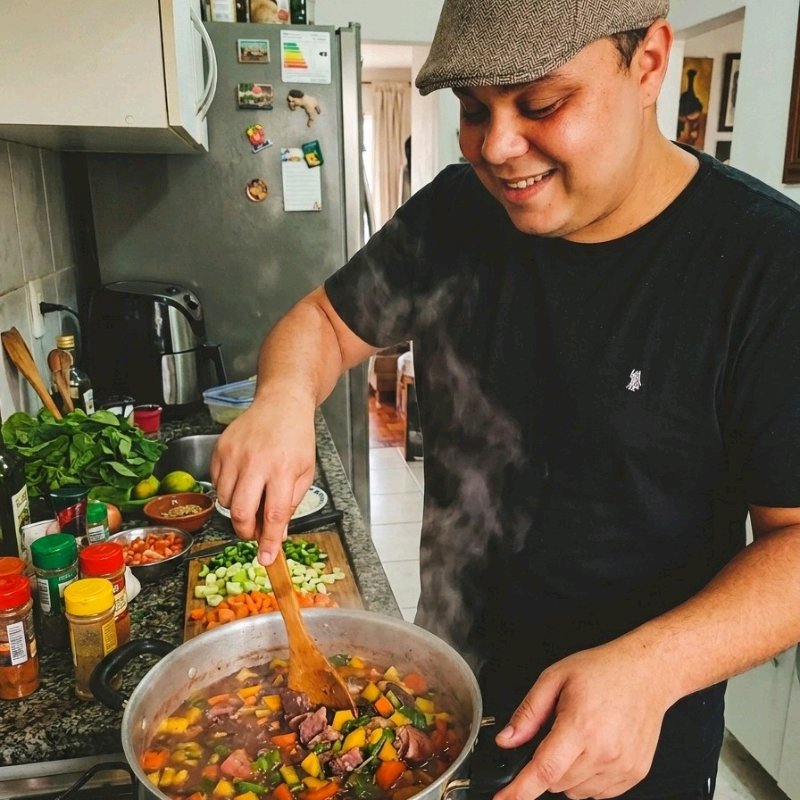
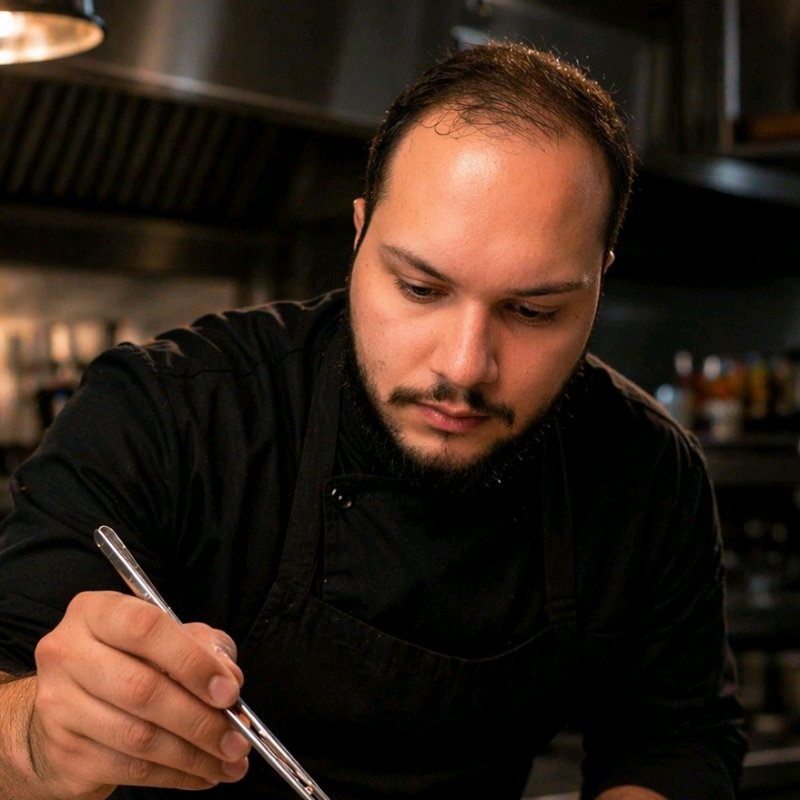
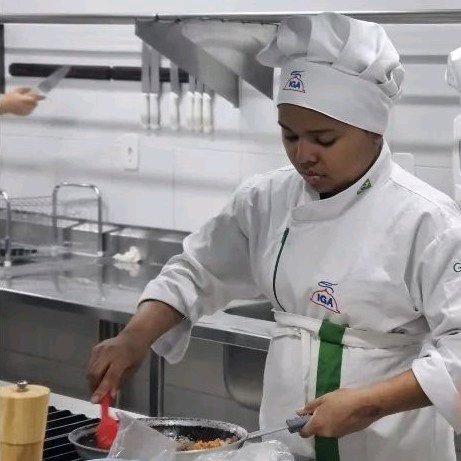
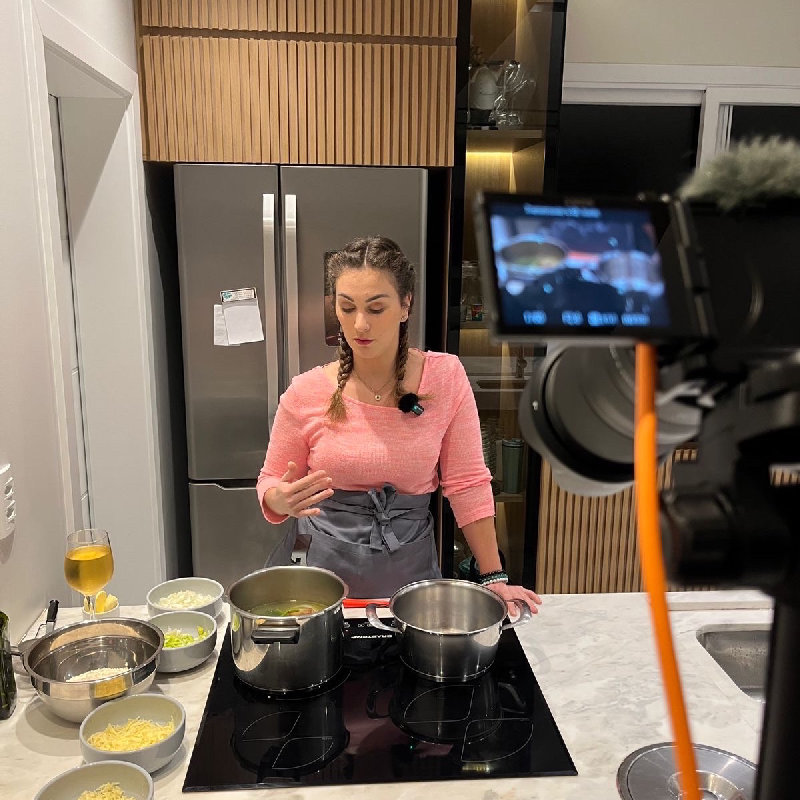
A professional chef's kitchen is a structured, methodical place even when it looks slightly chaotic from the outside. The chef is managing multiple timings simultaneously — a stock reducing on the back burner, a sauce emulsifying, proteins resting after searing, garnishes being picked. This is their element.
The kitchen will smell extraordinary. That's the first thing first-time clients always mention: the aromas that drift into the living room during cooking. Fresh herbs sautéed in butter, a rich broth reducing, the char of a protein hitting a hot pan — these are sensory previews of what's coming to the table.
Resist the urge to offer help or ask the chef to speed up. Professional chefs work to a timeline, and interrupting the flow of a multi-course meal to accommodate an impatient guest is one of the few things that can genuinely disrupt the quality of the food. Trust the process — your chef has done this many times before.
During the Meal: How Service Works
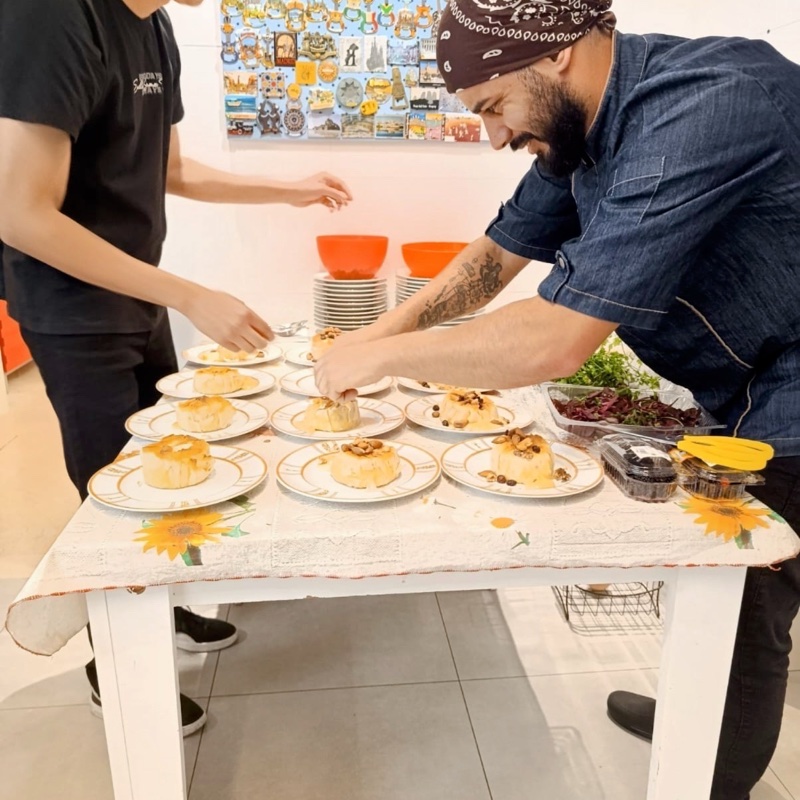
For a dinner service, the chef plates each course and brings it to the table (or to a pass, if your space has one). They'll time the courses to allow the right breathing room between them — long enough that guests don't feel rushed, short enough that the momentum of the evening is maintained.
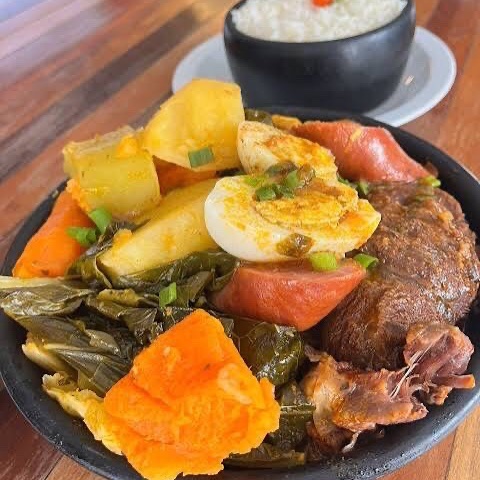
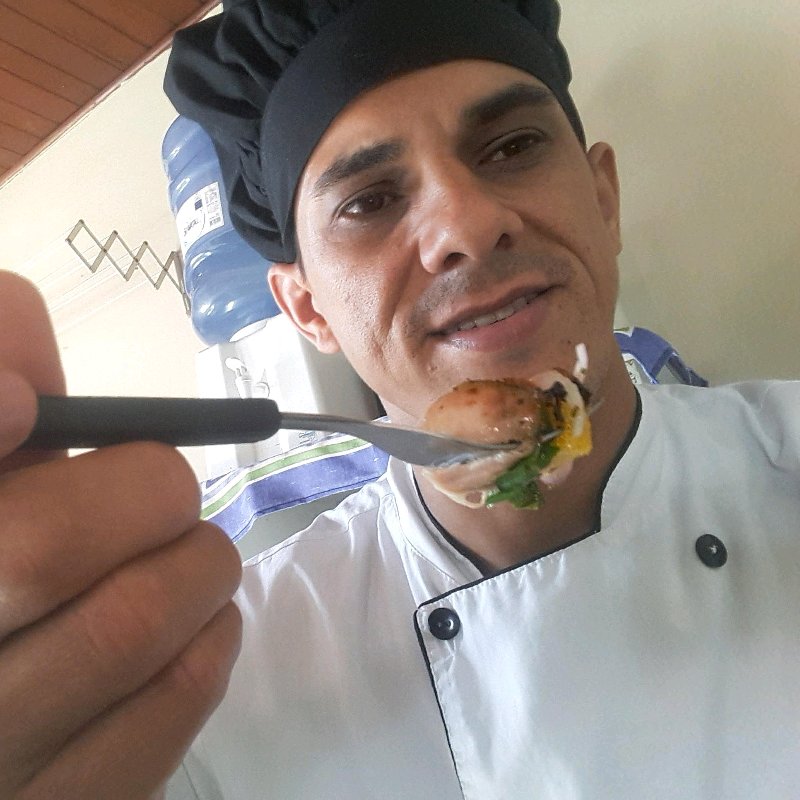
The chef will typically introduce each course briefly, describing the key ingredients and technique — particularly for guests who may be unfamiliar with the cuisine. For a Japanese omakase dinner, for instance, the chef might explain the provenance of the fish and the cut; for a Brazilian-inspired tasting menu, they might describe the region a specific ingredient comes from.
During the meal, the chef remains in or near the kitchen. They're not waiting staff — if you need something between courses (water, bread, wine from the kitchen), you can ask them or simply get it yourself. The boundary is clear: the chef handles food, you handle the hosting.
After the Meal: Cleanup and Departure
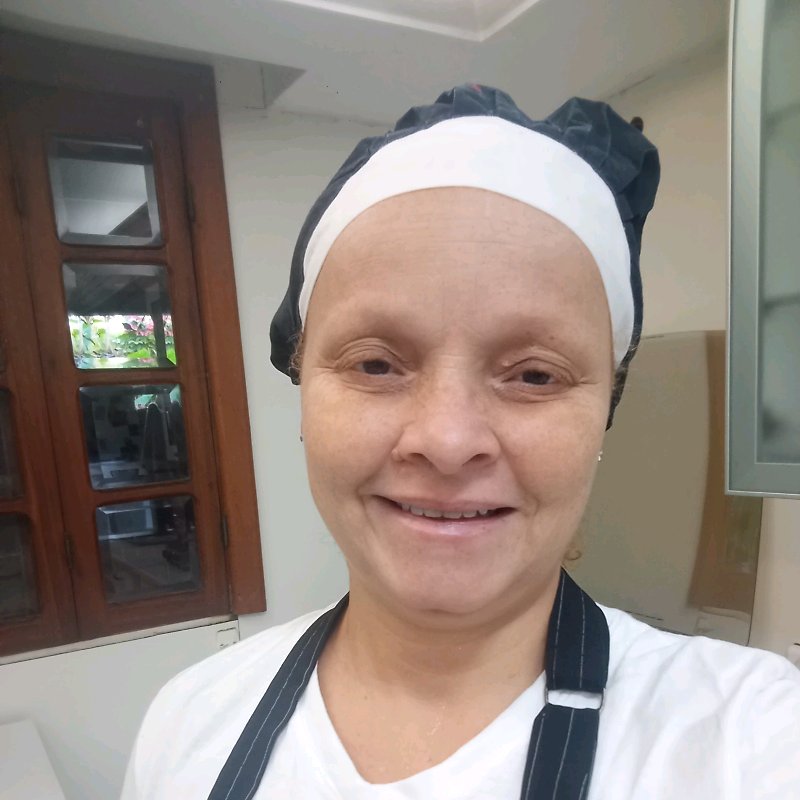
Cleanup is included in the service — this is one of the most celebrated aspects of the personal chef experience. While you linger over dessert, coffee and conversation, the chef is quietly washing dishes, wiping surfaces, sorting rubbish and restoring your kitchen to its original state. By the time your last guest leaves, the kitchen is usually cleaner than it was when the chef arrived.
Once cleanup is complete, the chef will let you know they're done, confirm there's nothing else you need and depart. The typical total time from arrival to departure for a dinner for six is 4–5 hours. For a larger event with more courses, budget 5–6 hours.
This is also the moment when a tip feels natural if you want to express it — 10–15% of the service fee is the established norm in Brazil for an exceptional experience, though it is entirely optional. A warm verbal thank-you is always welcome and genuinely appreciated.
Common First-Timer Surprises (All Good Ones)
The most universal surprise from first-time personal chef clients in Brazil: how completely invisible the logistics feel. You're aware that someone is cooking in your kitchen, but the experience from the host's perspective is just sitting down to the best meal you've had in months — without any of the restaurant noise, the waiting, the prix-fixe rigidity or the trip home.
The second surprise: how personalised it feels compared to a restaurant. A chef who has talked with you about what you love, what you find boring, what your guests drink and what the occasion means has built a meal specifically for this moment. It doesn't feel like a standardised dining experience — it feels like someone cooked for you.
The third surprise, especially for first-timers in cities like São Paulo and Rio: how accessible the price point is. A three-course dinner for four people prepared in your home by a professional chef, including service and cleanup, often costs less per person than the same experience at a mid-to-high-end restaurant in Itaim Bibi or Leblon — once you factor in drinks, service charges and transport.