The Foundational Rule: Match Weight to Weight
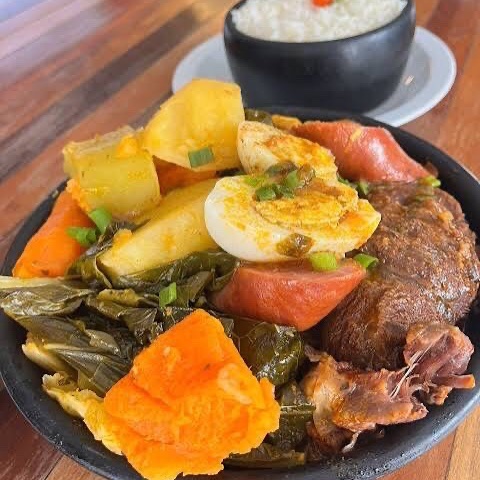
The single most reliable pairing principle is weight matching: light dishes call for light wines, rich dishes call for full-bodied wines. A delicate fish ceviche will be overwhelmed by a tannic Cabernet Sauvignon — but a zesty Sauvignon Blanc or an Alvarinho from Rio Grande do Sul will lift it. A slow-braised oxtail or a feijoada, conversely, needs a wine with structure, tannin and dark fruit to hold its own.
Think of weight in terms of the dish's primary cooking fat, sauce richness and protein density. Steamed, citrus-dressed or lightly sautéed foods are light. Cream-sauced, slow-braised, grilled-with-dripping-juices dishes are heavy. Match accordingly and you are already ahead of most home entertainers.
If you are unsure, err lighter — a wine that is slightly too delicate for a dish reads as elegant. A wine that is too heavy overwhelms the food and the conversation.
Pro Tip
The mnemonic 'what grows together, goes together' is a useful shortcut: Italian pasta dishes pair naturally with Italian reds; Peruvian ceviche sings beside Peruvian-style pisco sours or a Chilean coastal Sauvignon Blanc.
White Wine Pairings: When and What to Reach For
White wines work best with lighter proteins (fish, frutos do mar, chicken, pork without heavy sauce), vegetable dishes, fresh cheeses and anything with citrus or herbaceous flavors. For a camarão no alho e óleo or a grilled linguado, an unoaked Chardonnay, a Pinot Grigio or a Riesling is ideal.
Brazil produces excellent whites from Serra Gaúcha and the Campanha Gaúcha region. The Chardonnays from producers like Miolo, Salton and Casa Valduga range from lean and mineral to lightly oaked, making them versatile dinner-party wines. The Alvarinho variety (planted by Portuguese-influenced producers) makes a particularly food-friendly white with bright acidity.
Aromatic whites like Gewürztraminer and Viognier have a special affinity for Asian-inflected dishes — Thai, Vietnamese or the Japanese-Brazilian fusion found in São Paulo's Liberdade neighborhood. Their floral perfume and slight sweetness tame chili heat and complement soy and ginger.
Red Wine Pairings: Structure, Tannin and the Right Match
Red wines pair with red meats, aged cheeses, mushroom-forward dishes, tomato-based sauces and anything with earthy, savory or umami flavors. Tannins — the mouth-drying compounds in red wine — bind to proteins in meat, which is why a grilled picanha or a slow-cooked costela de boi pairs so well with a Merlot, Malbec or Tannat.
Tannat deserves special attention: it is the signature red grape of Uruguayan and southern Brazilian wine country, and at its best it offers deep color, bold tannin and a savory backbone that pairs exceptionally well with churrasco. Producers like Guatambu, Cave de Amadeu and Don Laurindo make bottles worth exploring.
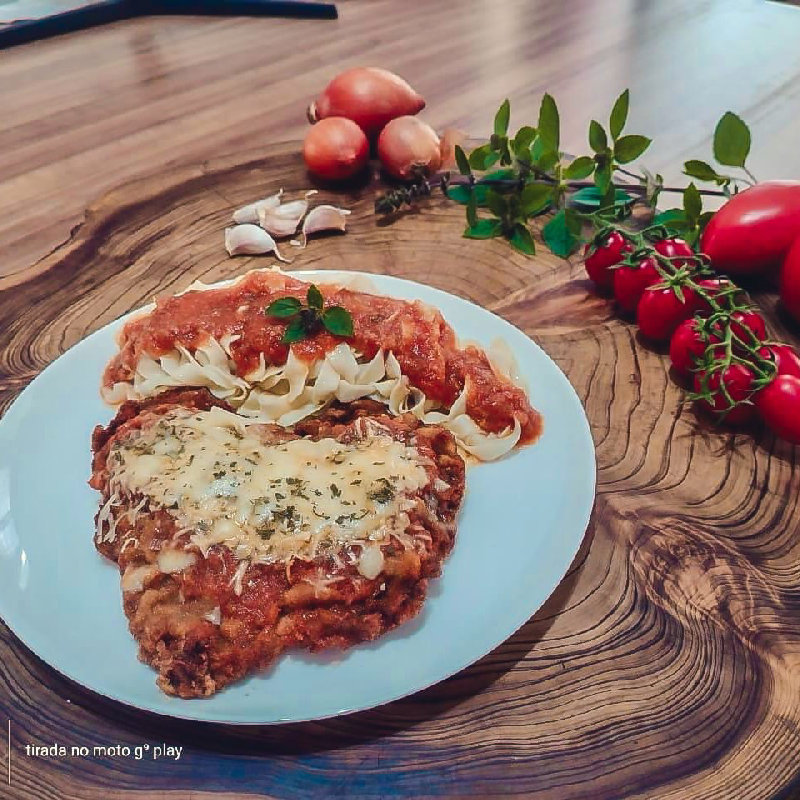
If your main is pasta with a tomato-based meat sauce, reach for a Sangiovese or a Montepulciano — the natural acidity in these Italian varieties cuts through and matches the acidity of the tomato. For a mushroom risotto or a creamy pasta, a lighter-bodied Pinot Noir or a Gamay will mirror the earthiness without drowning the dish.
✓Grilled red meat (picanha, costela)
Tannat, Malbec, Cabernet Sauvignon or a structured Merlot from Campanha Gaúcha.
✓Pasta with tomato-meat sauce
Sangiovese, Chianti or a Montepulciano d'Abruzzo — the acidity aligns with the tomato.
✓Roast chicken or turkey
A Pinot Noir or a medium Merlot; both are light enough not to overwhelm the delicate meat.
✓Mushroom risotto or truffle dishes
Pinot Noir is classic; a Nebbiolo for something grander.
✓Aged hard cheeses
Bold reds or even a tawny Port — the fat in cheese softens tannin beautifully.
Sparkling Wine: Brazil's Finest Party Tool
Sparkling wine is the ultimate aperitif and the most food-versatile category on the table. A brut espumante served ice-cold alongside salgadinhos, bruschetta or a seafood amuse-bouche starts any dinner on the right note. And unlike Champagne pricing, Brazilian espumantes from Bento Gonçalves are genuinely world-class at accessible price points — R$ 60 to R$ 150 for excellent bottles.
Method Champenoise (Método Tradicional) espumantes from producers like Cave Geisse, Peterlongo and Miolo Cuvée Tradition go through secondary fermentation in the bottle — the same process as Champagne — and develop biscuity complexity alongside fine bubbles. Serve them at 6–8°C.
Beyond aperitifs, sparkling wines pair superbly with fried foods (the carbonation cuts grease), salty snacks, oysters, sushi and any fresh cheese. If a guest says they do not like wine, hand them a sparkling: the lively effervescence and lower perceived tannin convert many sceptics.
Pro Tip
Keep a bottle of espumante in the freezer for 20 minutes before service if you forgot to chill it in the fridge — but set a timer. More than 30 minutes and pressure can build dangerously.
Serving Temperature and Glassware Matter More Than You Think
The most common wine mistake at home is serving reds too warm and whites too cold. A Brazilian room temperature (25–28°C) is simply too warm for any wine — red wines show best between 16–18°C, which is slightly cooler than a typical living room. Pop your red in the fridge for 15–20 minutes before serving. Whites and sparklings should be served at 8–12°C.
Glassware affects aroma significantly. A large, open bowl (a Burgundy or Bordeaux-style glass) allows aromatic whites and fuller reds to breathe and funnel fragrance toward the nose. You do not need a different glass for every variety — a universal wine glass with a tulip shape handles 80% of situations well. For sparkling, use a flute or a narrow tulip to preserve bubbles; avoid wide Champagne coupe glasses which flatten them quickly.
Let wine breathe before serving: pour a full-bodied red into a decanter or simply open the bottle 30–45 minutes early. Younger, more tannic wines (Tannat, Cabernet) benefit from an hour or more of air contact — the harsh edges soften and fruit comes forward.
Building a Simple Wine List for a Multi-Course Dinner
For a three-course dinner party, plan one sparkling or light white for the aperitif and starter, a mid-weight white or light red for a fish or pasta course, and a fuller red for the main. Dessert wines (Moscatel, Sauternes or Port) are delightful but optional — a Moscatel d'Asti alongside a panna cotta or a slice of torta de limão is a lovely finish if your guests still have appetite.
A good rule of thumb: one standard bottle (750 ml, roughly 5–6 glasses) for every two guests who drink wine regularly, over the course of a three-course meal. Round up rather than down — running out of wine is the one thing guests genuinely notice.
For guests who do not drink alcohol, prepare a non-alcoholic option that has the same care put into it: a house-made água saborizada (fruit-infused water) with muddled maracujá and mint, or a sparkling water with a splash of verjuice, gives non-drinkers something sophisticated to hold alongside the wine drinkers.
How a Personal Chef Can Guide Your Pairings
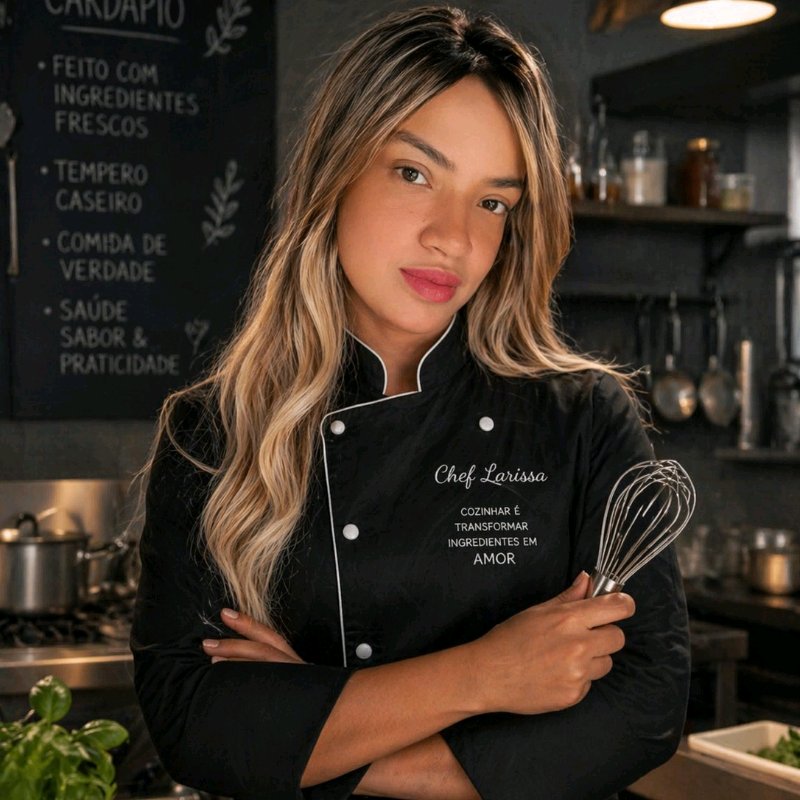
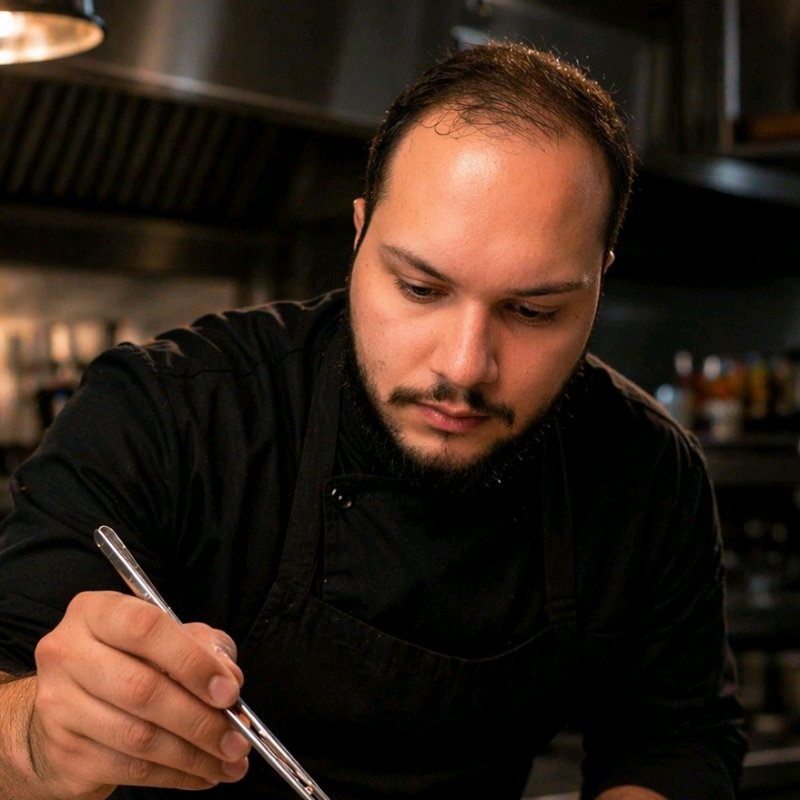
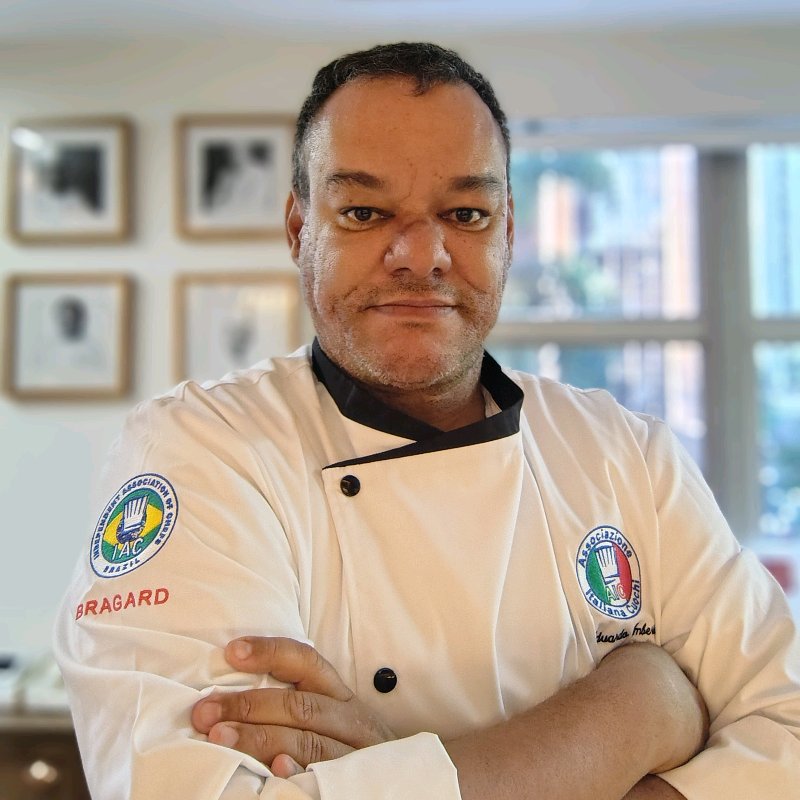
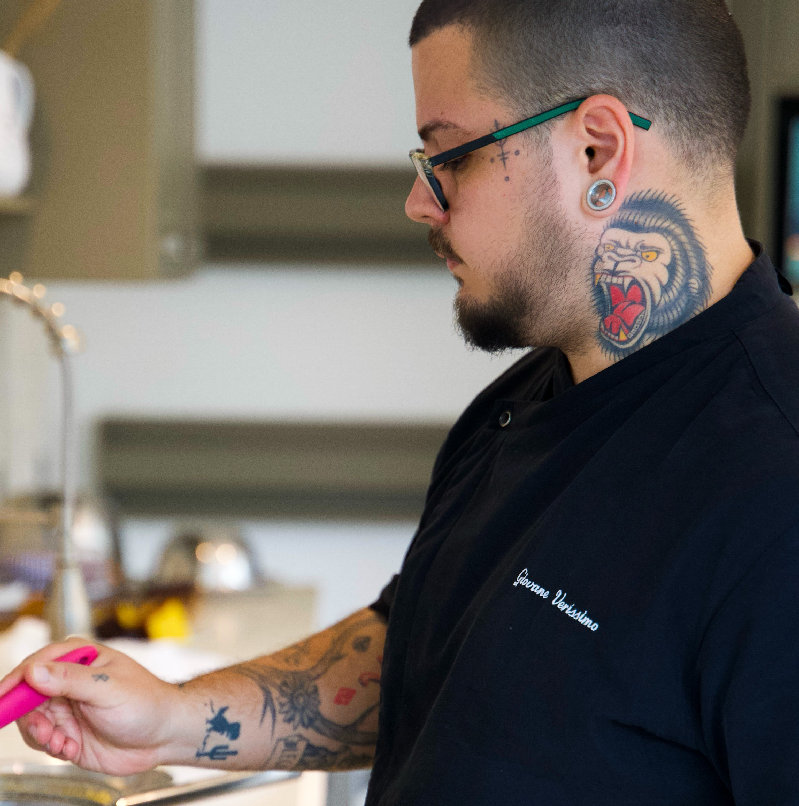
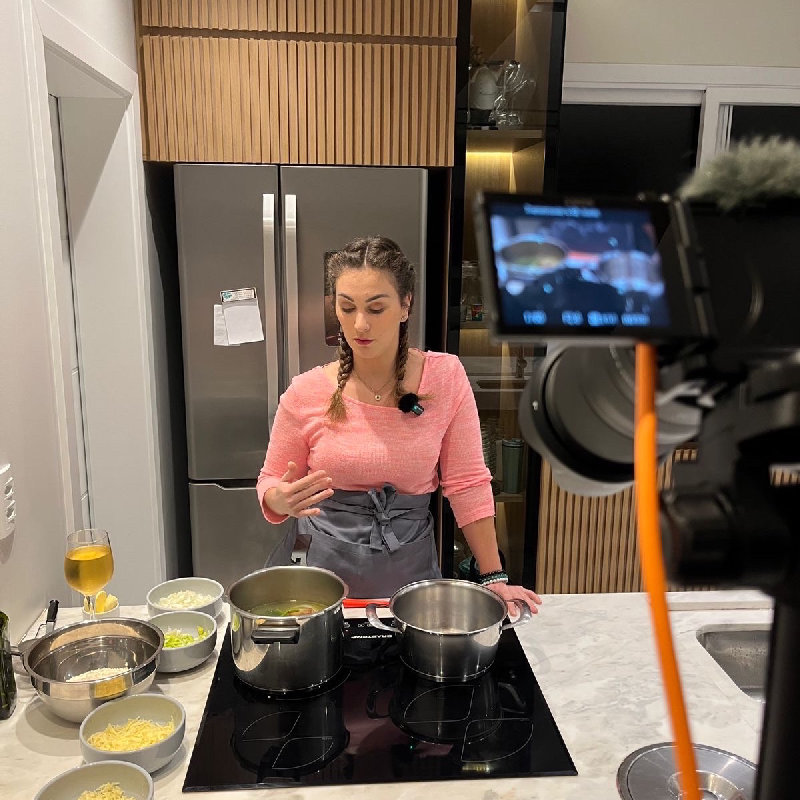
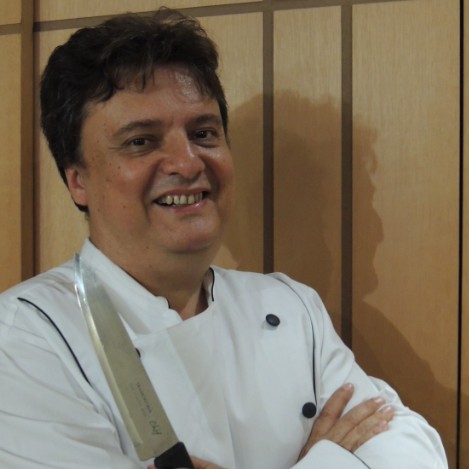
Many personal chefs at myChef have trained in sommeliers-adjacent skills or work alongside wine professionals. When you brief your chef on the occasion, mention that you would like pairing suggestions — most will provide a short list of recommended bottles by price range that align with the menu they plan to cook. This removes all the guesswork.
Some myChef chefs offer full-service experiences that include sourcing the wine themselves as part of the package, arriving with a curated selection that has been chosen specifically for each course. If this is something you want, simply mention it during booking — it is one of the many ways a personal chef transforms a dinner party into something effortless and memorable.